tesamoll® D-Profile
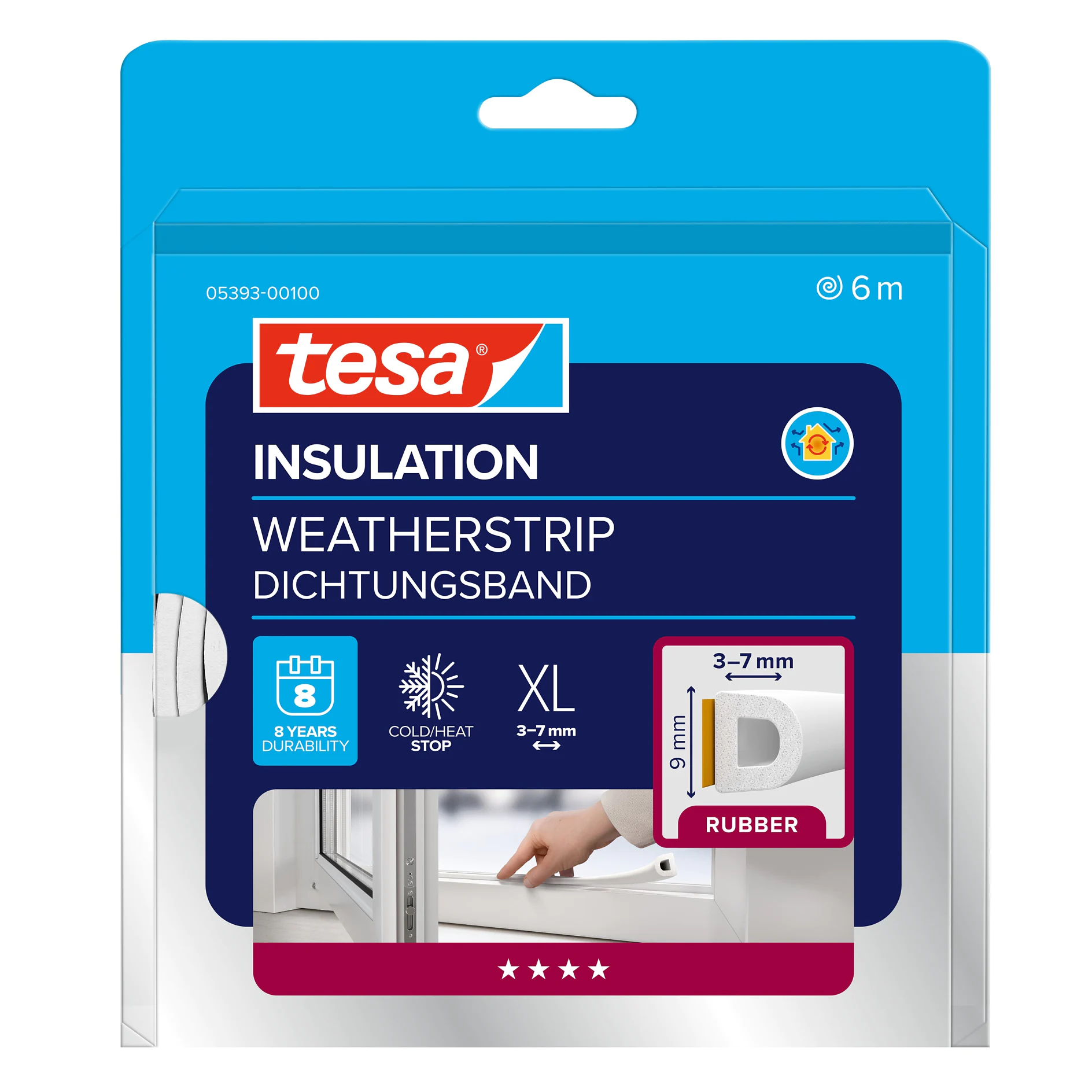
The tesamoll® D-Profile is a long-lasting rubber seal for doors and windows. It is an effective door & window draught excluder and able to seal even wide gaps.
- Saves up to 40% of energy costs
- Self-adhesive, long-lasting rubber D-Profile
- Seals all gaps from 3 to 7mm
Product details
Product description
Product description
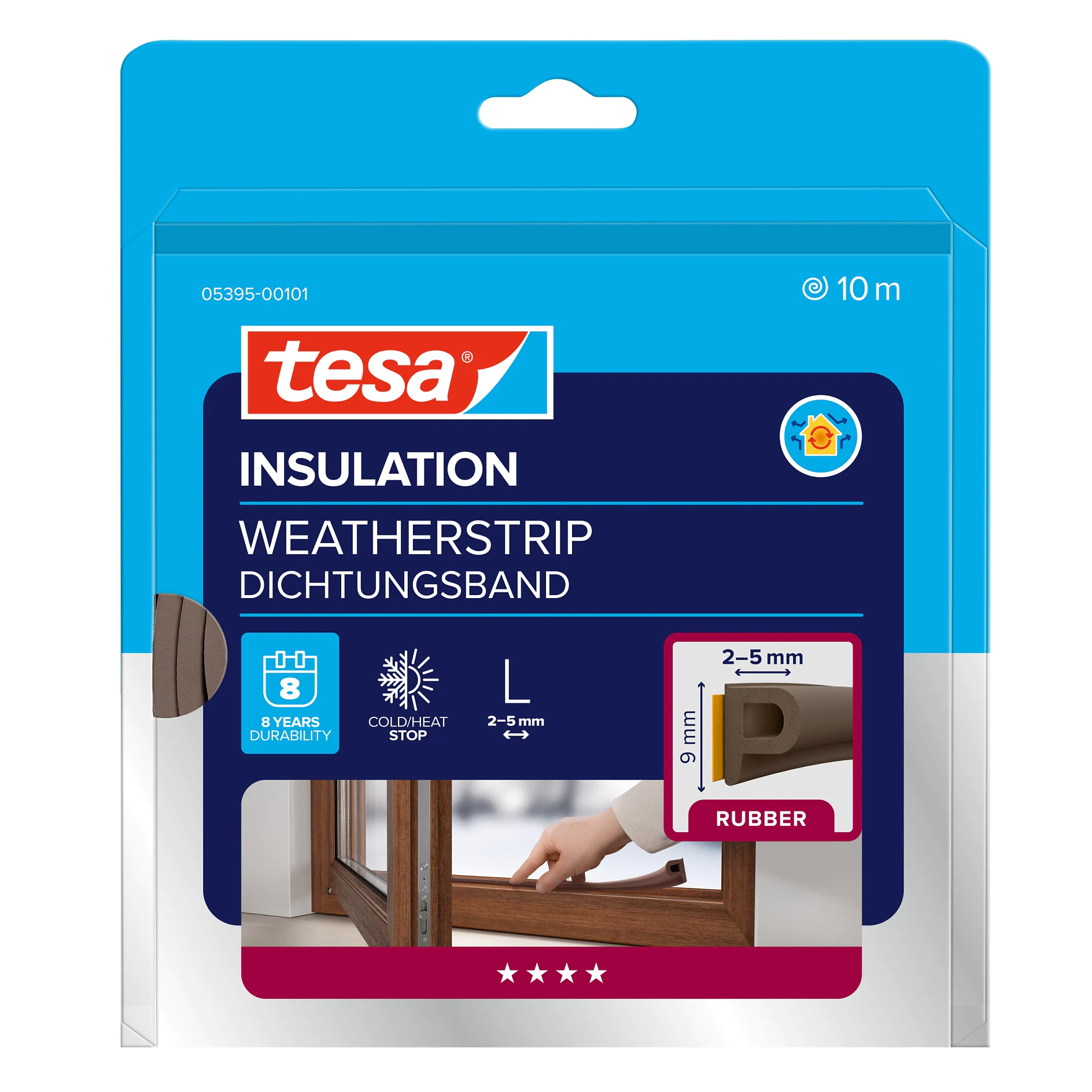
The tesamoll® D-Profile is a self-adhesive rubber draught excluder seal for doors and windows. It is weather, UV, ozone and temperature-resistant and guaranteed to work perfectly for at least 8 years. Due to its special D-shaped profile it can effectively seal any gaps between 3 and 7 mm.
More product details
Applied to all window frames of your home the tesamoll® D-Profile is an effective draught excluder that is able to cut up to 40% of your heating bill. So use less energy, save money and get a comfortably warm home with our long-lasting rubber seal that can be applied easily without any tools, screws or nails.
- Saves up to 40% of energy costs
- Self-adhesive, long-lasting rubber D-Profile
- Seals all gaps from 3 to 7mm
- Durability: 8 years
- Weather- UV- and ozone-resistant
- Wipe-clean
- Easy to apply and to fit without screws or nails
- Easy to remove
- Temperature-resistant from -50°C to +60°C
FAQs
Why should I seal my windows?
Leaky windows push up energy bills and increase the risk of mould. A high‑quality, intact window seal keeps your home warmer and helps cut heating costs. Plus, many seals also offer extra protection against noise and dust.
Condensation on windows – what should you do?
Condensation on windows is a warning sign for mould and damp. The most common cause is leaks or gaps in the window frame letting in cold air and moisture. In this case, seal your windows promptly with quality draught‑proofing and weatherproof window seals to prevent mould growth and improve energy efficiency.
Who pays for window maintenance?
In most cases, the homeowner or the freeholder/management company is responsible for window maintenance. If you’re a tenant, speak to your landlord. Act quickly with leaking or draughty windows—every day without properly sealed windows raises heating bills and increases the risk of damp and mould.
When should I seal my windows?
If rooms stay cold even with the heating on, or you feel a draught, seal your windows as soon as possible. Condensation on the glass is another sign of leaky windows—add draught‑proof window seals to improve energy efficiency and prevent mould.
How do I repair a window seal?
Replacing a window seal is quick and easy. Don’t cover worn seals; remove them first. Then simply apply our self‑adhesive window seals for reliable draught‑proofing and weather protection.
How do I seal my windows?
You can quickly and easily apply our self‑adhesive window seals. The strong adhesive backing on the sealing strips creates a reliable, long‑lasting, draught‑proof seal in minutes—ideal for DIY weatherproofing and improved energy efficiency.
Last updated on 18 Jul 2026