Additional Info
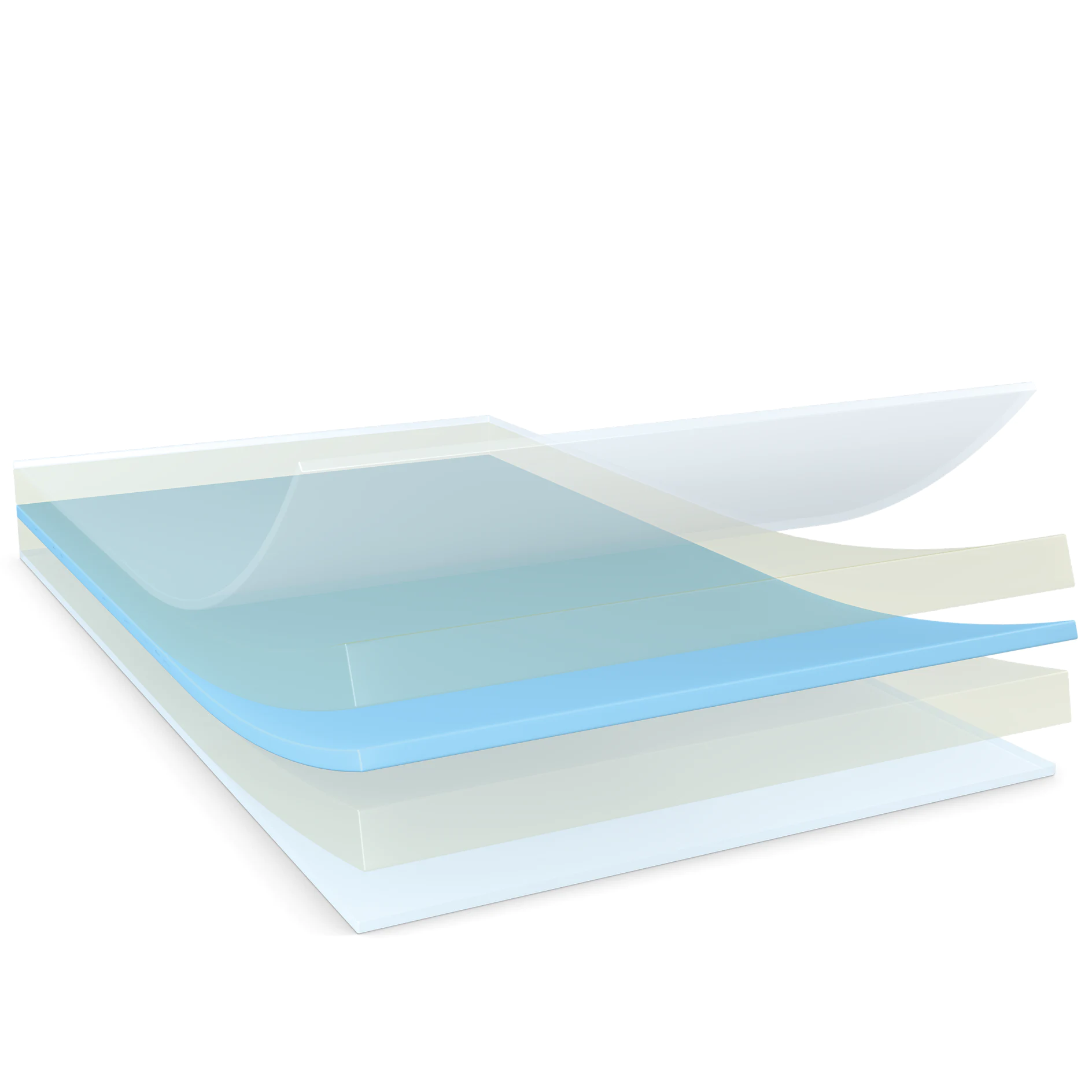
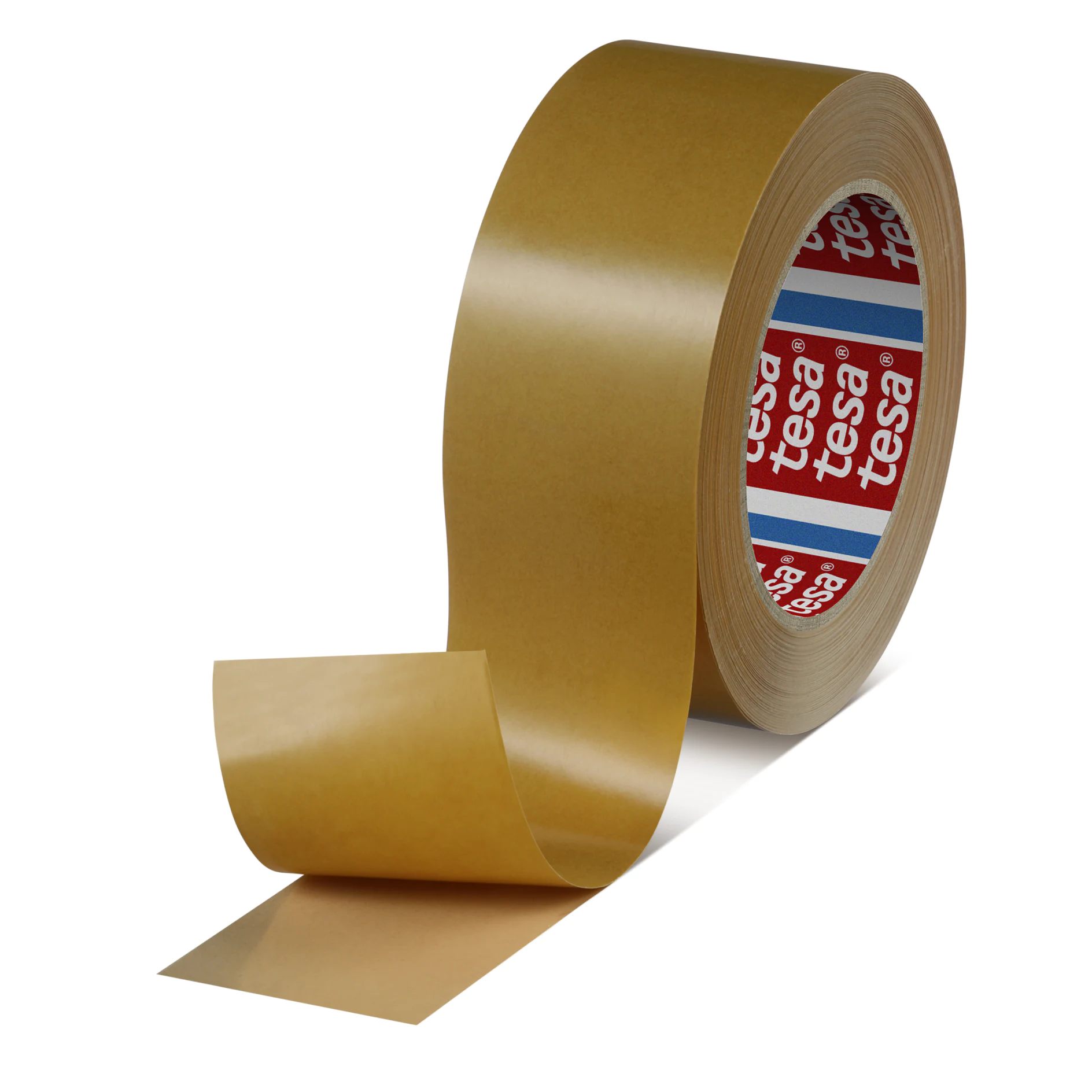
tesa® L-tape is a reactive adhesive. It is activated by blue light (wavelengths of 460 nm) and can be used for bonding of opaque or translucent substrates.
Bonding of opaque substrates
The open time of tesa® L-tape enables the bonding of opaque substrates like plastics and metals. tesa® L-tape can be activated by blue light before or after bonding to the first substrate.
Activation before bonding: The die-cut of tesa® L-tape is activated by blue light. The covering liner of the die-cut must be light-permeable (e.g., clear PET) to enable the activation of the tape.
After activation the die-cut is bonded onto the first substrate. The second substrate is then bonded within 30 minutes by applying pressure (≥ 3 bar).
Activation after bonding to the first substrate: The die-cut of tesa® L-tape is bonded onto the first substrate. After activation by blue light, the second substrate is bonded within 30 minutes by applying pressure (≥ 3 bar).
Bonding of translucent substrates
Translucent substrates such as clear plastics can be bonded before activation by blue light. At least one substrate must be light-permeable to allow the activation of tesa® L-tape. After applying tesa® L-tape to the first substrate, the second substrate is bonded by applying pressure (≥ 3 bar). The bonded parts are then exposed to blue light to start the curing of the adhesive.
Pre-lamination conditions
Activation and bonding parameters
Bonding strength values were obtained under standard laboratory conditions. (Material: SUS test specimen / bonding conditions: light dose: 40 J/cm² at 460 nm; pressure: 5bar for 30 s). To reach maximum bonding strength surfaces should be clean and dry.
It is important that when activating L-tape through 365 nm, heat is controlled, otherwise this could lead to curing of the film before the bonding of the second substrate due to elevated temperatures.
This can result in:
Bonding of opaque substrates
The open time of tesa® L-tape enables the bonding of opaque substrates like plastics and metals. tesa® L-tape can be activated by blue light before or after bonding to the first substrate.
Activation before bonding: The die-cut of tesa® L-tape is activated by blue light. The covering liner of the die-cut must be light-permeable (e.g., clear PET) to enable the activation of the tape.
After activation the die-cut is bonded onto the first substrate. The second substrate is then bonded within 30 minutes by applying pressure (≥ 3 bar).
Activation after bonding to the first substrate: The die-cut of tesa® L-tape is bonded onto the first substrate. After activation by blue light, the second substrate is bonded within 30 minutes by applying pressure (≥ 3 bar).
Bonding of translucent substrates
Translucent substrates such as clear plastics can be bonded before activation by blue light. At least one substrate must be light-permeable to allow the activation of tesa® L-tape. After applying tesa® L-tape to the first substrate, the second substrate is bonded by applying pressure (≥ 3 bar). The bonded parts are then exposed to blue light to start the curing of the adhesive.
Pre-lamination conditions
- Before curing, tesa® L-tape has initial tack and can be applied like a common PSA tape
- A pressure of ≥ 1 bar should be applied to ensure proper wet-out to the surface
Activation and bonding parameters
- Light source: lamp of 460 nm
- Light dose: 30-50 J/cm² at 460 nm
- Recommended pressure: ≥ 3 bar
- Recommended bonding time: ≥ 10 s
Bonding strength values were obtained under standard laboratory conditions. (Material: SUS test specimen / bonding conditions: light dose: 40 J/cm² at 460 nm; pressure: 5bar for 30 s). To reach maximum bonding strength surfaces should be clean and dry.
- tesa® L-tape can also be activated by UV light with wavelength of 365nm:
- Light source: lamp of 365nm
- Light dose: 15-30 J/cm² at 365 nm
- Recommended pressure: ≥ 3 bar
- Recommended bonding time: ≥ 10 s
It is important that when activating L-tape through 365 nm, heat is controlled, otherwise this could lead to curing of the film before the bonding of the second substrate due to elevated temperatures.
This can result in:
- Loss of tack
- Poor bonding
- In more extreme cases, surface damage