
Insulation tapes
for industry applications

Quick overview
- Insulation tapes provide electrical or thermal insulation to help protect equipment, components, and systems from electrical hazards, heat transfer, moisture, and environmental influences.
- Electrical insulation tapes combine reliable adhesion with dielectric performance, supporting safety, regulatory compliance, sealing, cushioning, and color-coding applications.
- Thermal insulation tapes help maintain consistent temperatures, reduce heat loss, improve energy efficiency, and protect against heat-related damage.
- The portfolio includes standard and specialty solutions designed for industrial environments requiring dependable insulation and long-term performance.
There are two main types of adhesive insulation tapes: the first provides electrical insulation, and the second thermal insulation.
- Electrical insulation tapes combine dielectric (breakdown strength) properties with reliable adhesives for effective electrical insulation across a variety of industry applications. They are widely utilized to enhance the safety and reliability of electrical systems, electronic devices, and appliances.
- Thermal insulation tapes provide resistance to heat and prevent the transfer of heat in industrial applications. They can help to improve energy efficiency by insulating against falls or rises in temperature, as well as enhancing safety by protecting against heat-related damage.
Browse our range of tesa® insulation tapes for industrial electrical and thermal insulation. These include standard tapes for general industrial usage and specialist tapes for specific or demanding applications.
Rely on our electrical insulation tapes
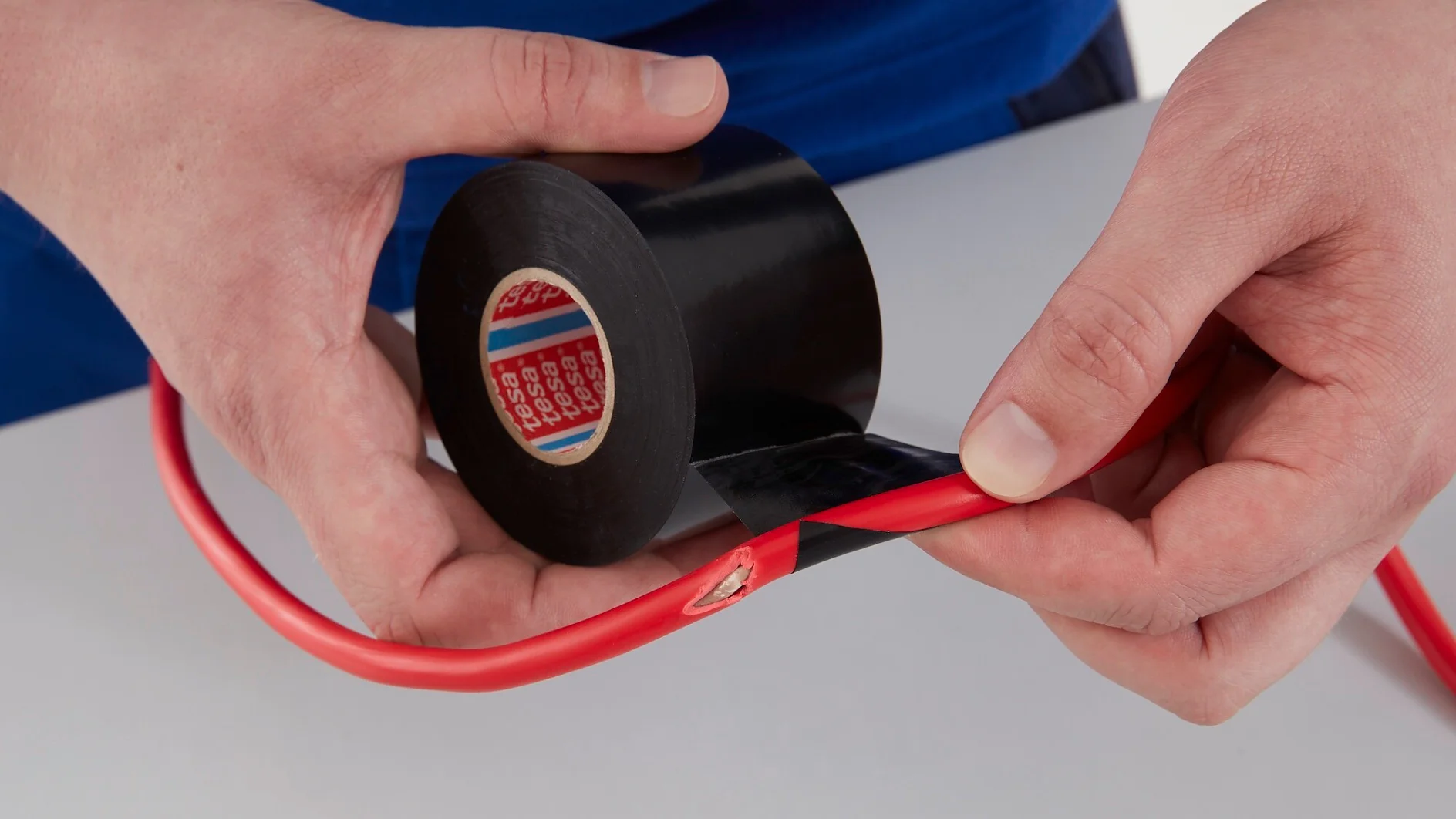
Electrical insulation tapes are flexible and adhere firmly to surfaces or components, creating a strong bond and providing electrical insulation.
Electrical insulation protects workers, users, devices and components from electrical hazards and is essential for regulatory compliance. Most of our electrical insulation tapes meet international safety standards for dielectric breakdown and flame retardance.
Our electrical insulation tapes are robust and conformable, which makes them a reliable and versatile adhesive solution. Most insulation tapes are pressure-sensitive (specialty tapes may be self-fusing), which makes them easy to use. The tesa® range includes multipurpose, premium, and heavy-duty tapes for electrical insulation, installation, sealing, waterproofing, and cushioning. Some tapes are available in a variety of colors and are writable for easy color coding of electric wires and cables.
Electrical insulation tapes can also be used for bonding, mounting, and sealing. They create a strong and reliable bond and can be an easy-to-apply, lighter, and often more cost-effective alternative to traditional screws or bolts.
Should you have any questions about the suitability of a particular type of electrical insulation tape for an application,


Industrial insulation solutions for electrical and thermal protection
Best for: Insulation tapes are designed for applications that require reliable electrical or thermal insulation alongside strong adhesive performance. They support industrial equipment, electrical systems, HVAC installations, and components that need protection from heat, electricity, moisture, and environmental stress.
Why they perform
- High bonding performance
- Electrical insulation with high dielectric strength
- Heat-resistant performance
- Chemical-resistant properties
- Flexible and conformable construction
- Reliable performance in demanding environments
Typical applications
- Electrical insulation of wires and cables
- HVAC ductwork insulation
- Pipe insulation applications
- Sealing and cushioning components
- Electrical repairs and color coding
Performance takeaway: Insulation tapes combine dependable electrical or thermal protection with strong adhesion to support safety, efficiency, and long-term equipment performance.
Choose our adhesive tapes for versatile thermal insulation
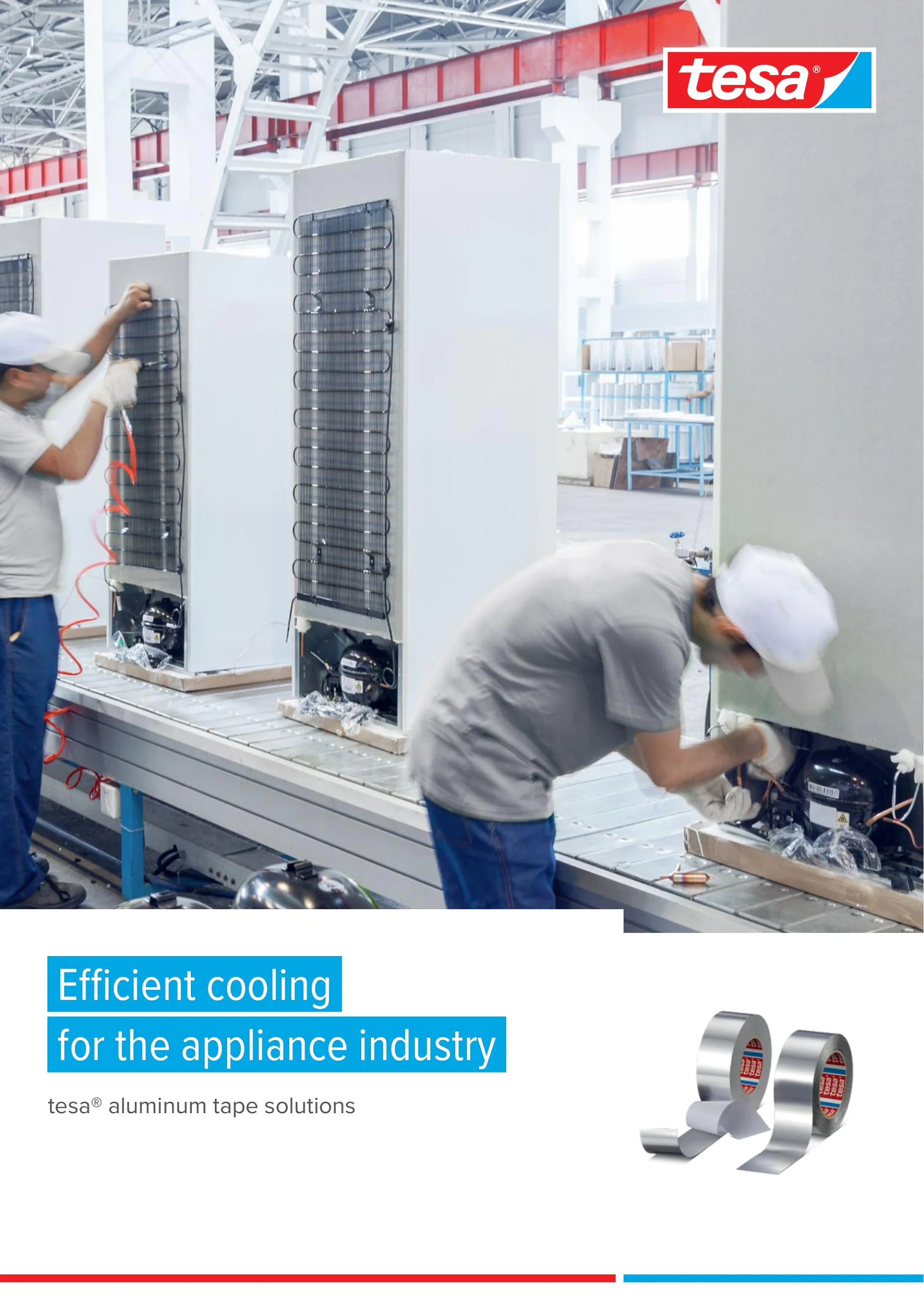
Thermal insulation tapes support energy efficiency and damage prevention by protecting against heat or cold loss and maintaining a consistent temperature. They have many industrial applications, including insulating pipes, ductwork, windows, and interior and exterior HVAC (heating, ventilation, and air conditioning) repairs.
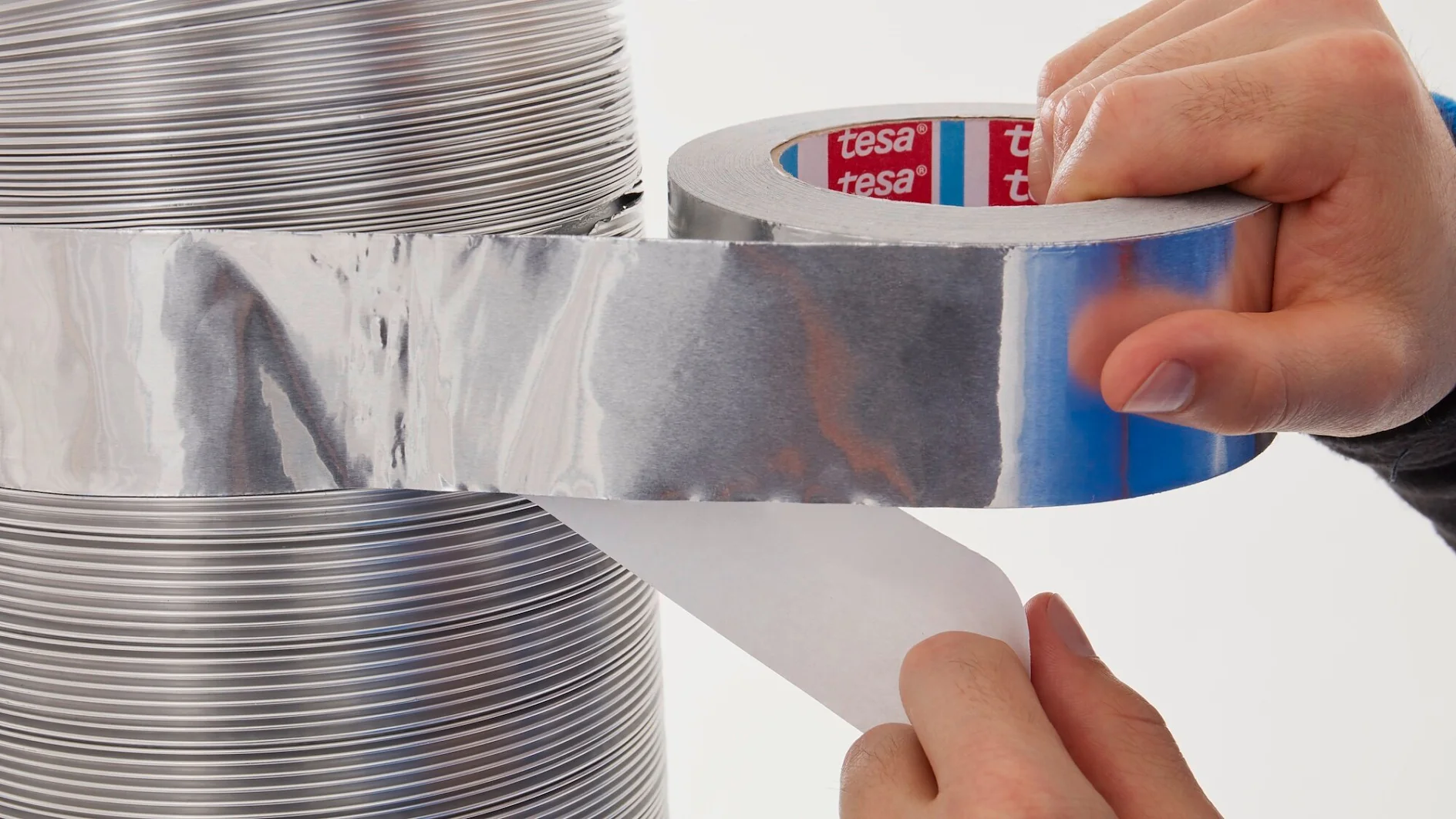
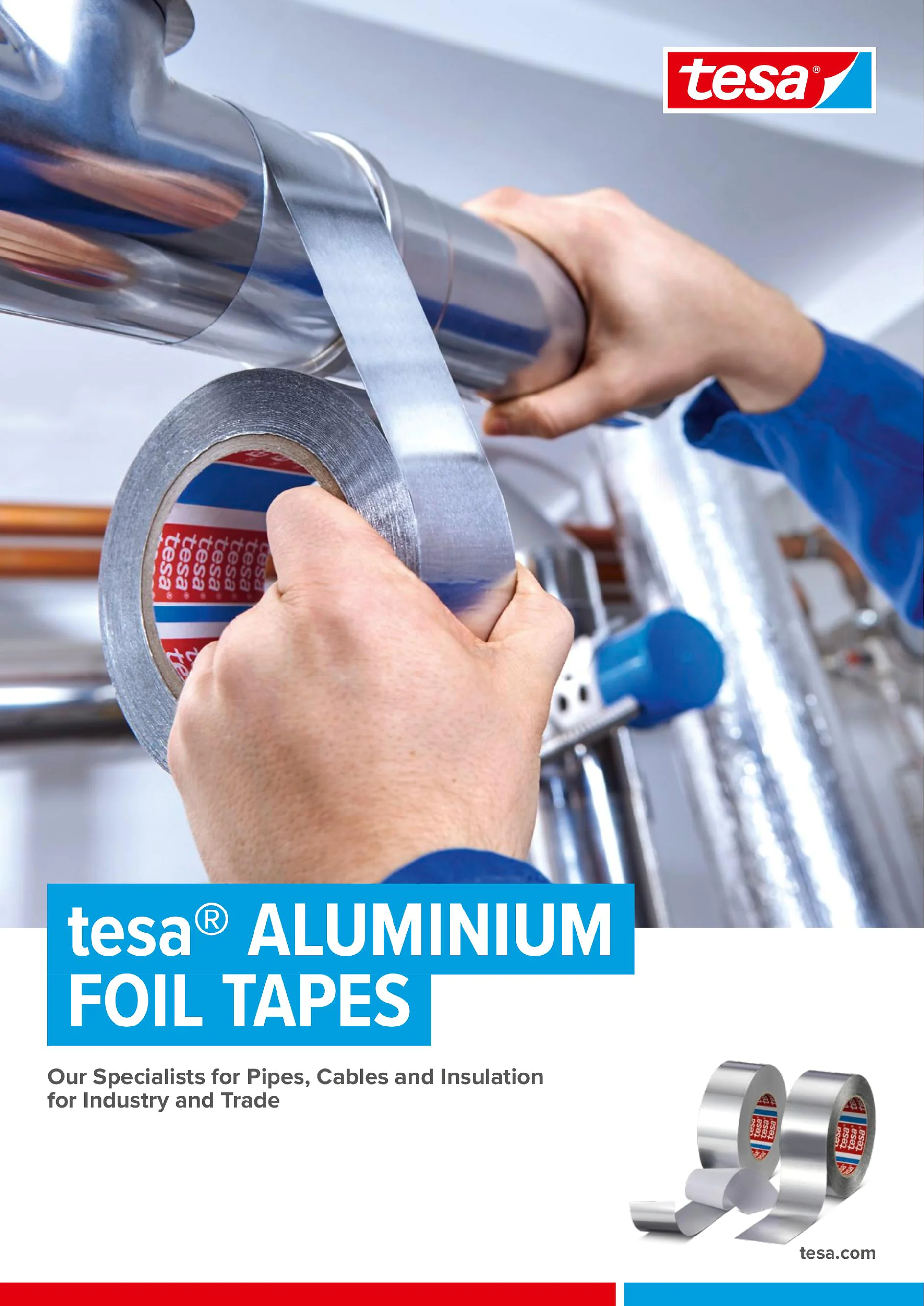
Our line of aluminum foil tapes has been developed to meet the most rigorous demands of HVAC. It offers high durability and thermal resistance, with a choice of tapes suitable for interior and exterior applications. By minimizing heat loss and avoiding temperature fluctuations, our thermal insulation tapes can contribute towards meeting business effiency goals.
Special thermal insulation tapes
We also supply specialty thermal tapes that can provide enhanced insulation against heat, chemicals, and environmental factors. These are suited for use in demanding environments.
If you have any questions,
Our range of insulation tapes
Whether you are looking for electrical or thermal insulation tapes, we can help. With decades of experience in the adhesive tape sector, we have developed solutions that will meet your needs and regulatory requirements. Our insulation tapes establish a barrier against different environmental factors (e.g. high temperatures, moisture, and chemicals) that protects and maintains performance in components and equipment.
Insulation tape is widely used in industrial settings where reliable adhesion needs to be combined with thermal or electrical insulation. It also has various applications in electrical repairs, masking, and color-coding and marking. Browse the information below to find out more about our thermal and electrical insulation tape solutions.
We understand that every project has different requirements, so our experts are happy to talk through your demands and put together a customized adhesion solution for your business.
Gain an overview of electrical insulation tape and thermal insulation tape solutions:

Get in touch
Insulation tape FAQs
What applications are insulation tapes used for?
Insulation tapes are used in a wide range of industrial applications to provide electrical and thermal insulation, helping protect components from heat, electricity, moisture, and environmental influences. Depending on the application, they can also support gap filling, sealing, and component protection in electronic and industrial assemblies.
What is the difference between thermal insulation tape and electrical insulation tape?
While both provide insulation, thermal insulation tape is designed to help manage heat, whereas electrical insulation tape is used to insulate electrical components and prevent unwanted electrical conductivity. The appropriate tape depends on whether the application requires thermal management, electrical insulation, or both.
What should manufacturers consider when selecting thermal tape?
When selecting thermal tape, manufacturers should evaluate the application's thermal requirements, component design, operating conditions, and the level of thermal insulation needed. Choosing the appropriate tape helps support reliable performance in demanding industrial and electronic applications.
Can one insulation tape provide both electrical and thermal insulation?
Depending on the application, some insulation tapes can contribute to both electrical and thermal insulation. Manufacturers should evaluate the performance requirements of their application and select a tape designed to provide the insulation properties needed for reliable long-term operation.