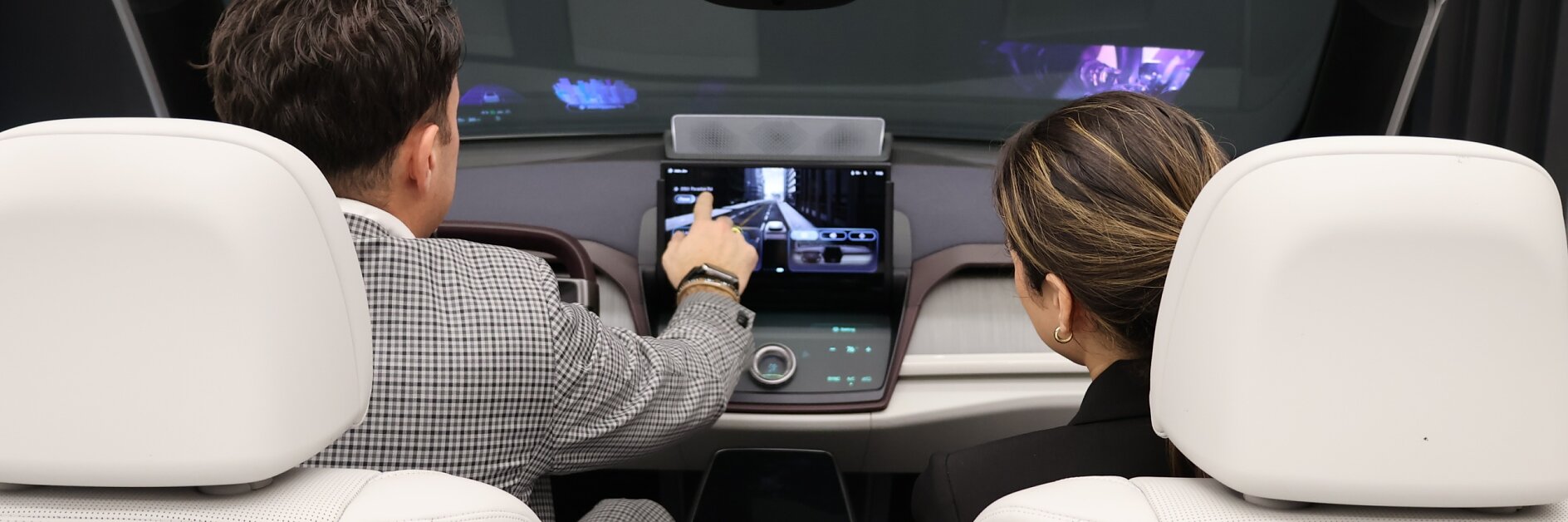
Two people sit in a modern vehicle’s front seats, viewed from behind, as one points to the dashboard touchscreen. Both watch the screen. (This text has been generated by AI)

When the windshield becomes a display

Technologies

Four industry leaders unite to transform windshields into intelligent, holographic displays – bringing next-generation automotive interfaces from vision to reality.

For a long time, the windshield in a car was exactly what its name suggests: protection from wind, weather, and environmental influences. But with the next generation of vehicles, it could become one of the most important digital interfaces in the vehicle. That's exactly what a new industrial alliance of tesa, ZEISS (opens in a new window or tab), Saint-Gobain Sekurit (opens in a new window or tab), and Hyundai Mobis (opens in a new window or tab) is working on.

With their "QuadAlliance," four leading companies are pooling their expertise across the entire value chain to bring holographic windshield displays (HWD) to series production readiness. The goal: an industrial, scalable solution that OEMs can quickly and reliably integrate into future vehicle generations.
Logos of four companies in a row: tesa tape, Hyundai Mobis, Sekurit Glazing in Motion, and Zeiss. Distinct colors on white. (This text has been generated by AI)
QuadAlliance partner logo

From Glass to Intelligent Interface

Modern vehicle interiors face a dilemma. On one hand, the need for information, assistance systems, and infotainment is growing. On the other hand, distraction, hardware complexity, and visual overload should be reduced. Conventional displays are reaching their limits here – both in size and design freedom.

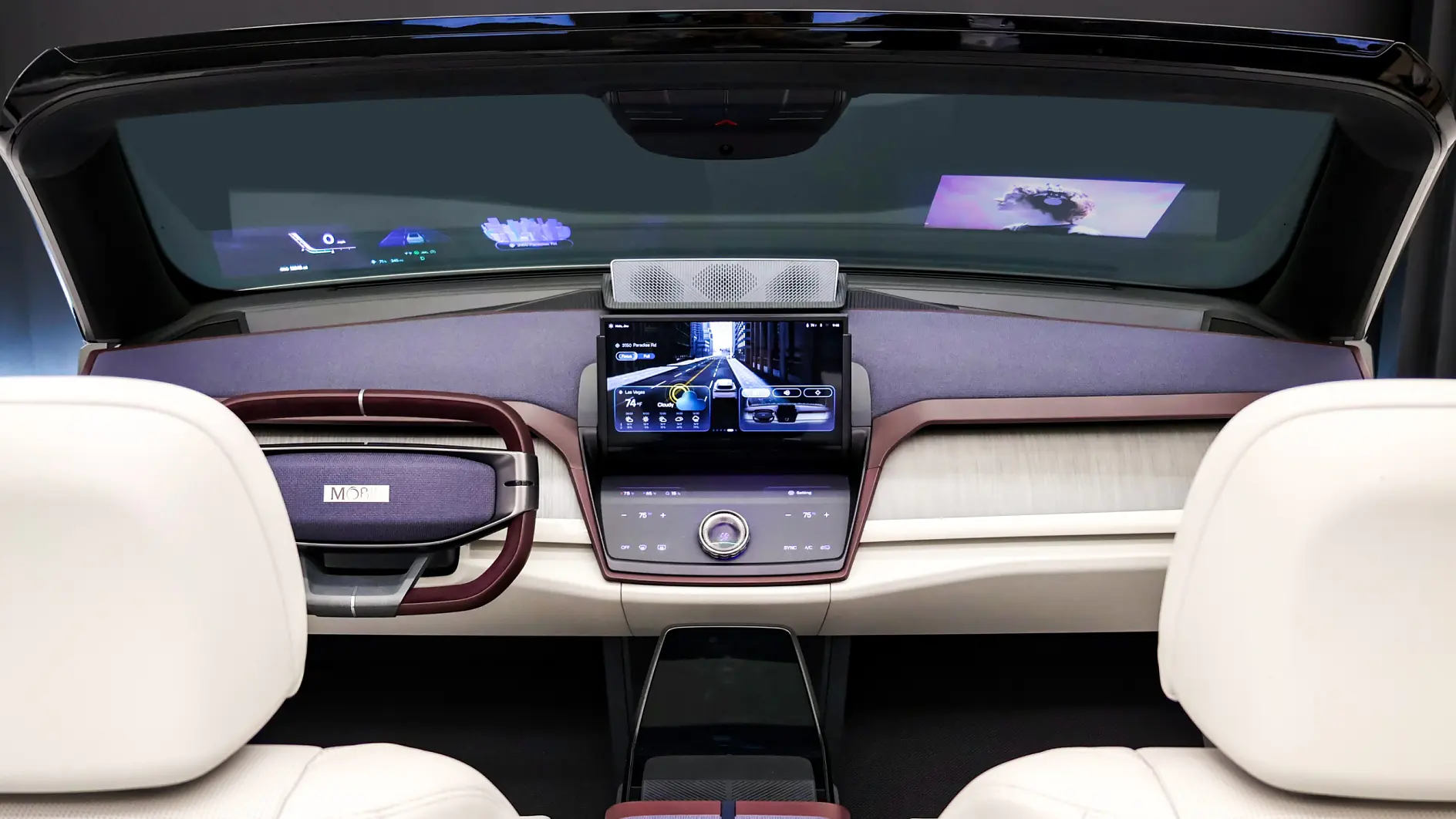
Holographic windshield displays address exactly this point. They transform the windshield into a transparent information surface that can display content directly in the driver's line of sight. Driving-relevant information remains in focus, while additional screens in the cockpit can potentially be reduced.

The technology enables large, highly transparent display surfaces with high brightness that remain visible even in direct sunlight. At the same time, flexible PGU placement (Picture Generation Unit) and adaptation to curved glass surfaces open up new degrees of freedom for vehicle design.

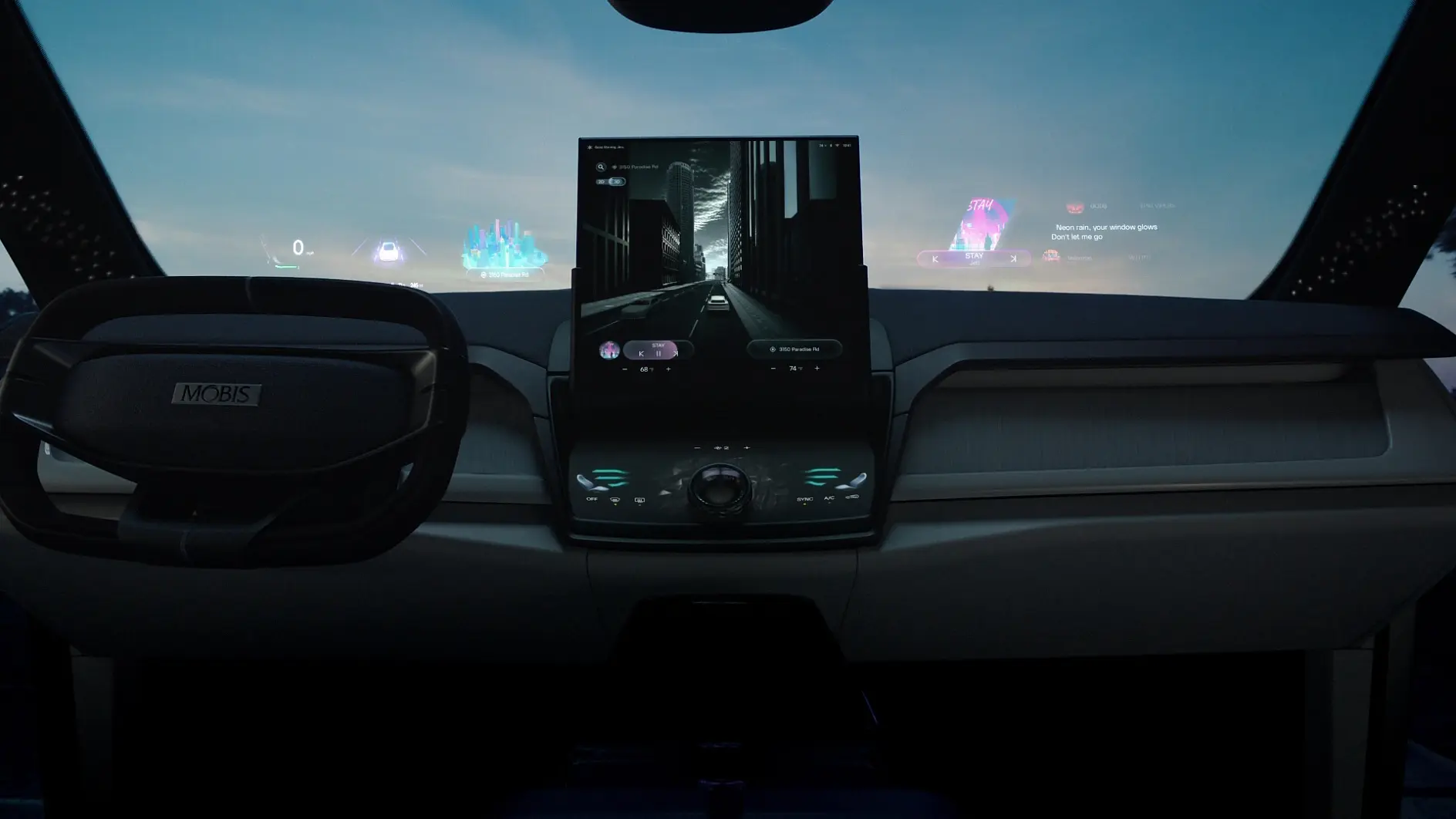
A modern car dashboard with a Mobis-branded steering wheel and controls, featuring tesa tape for assembly around the digital displays. (This text has been generated by AI)
Windshields become transparent, interactive information interfaces

A One-Stop Solution for OEMs

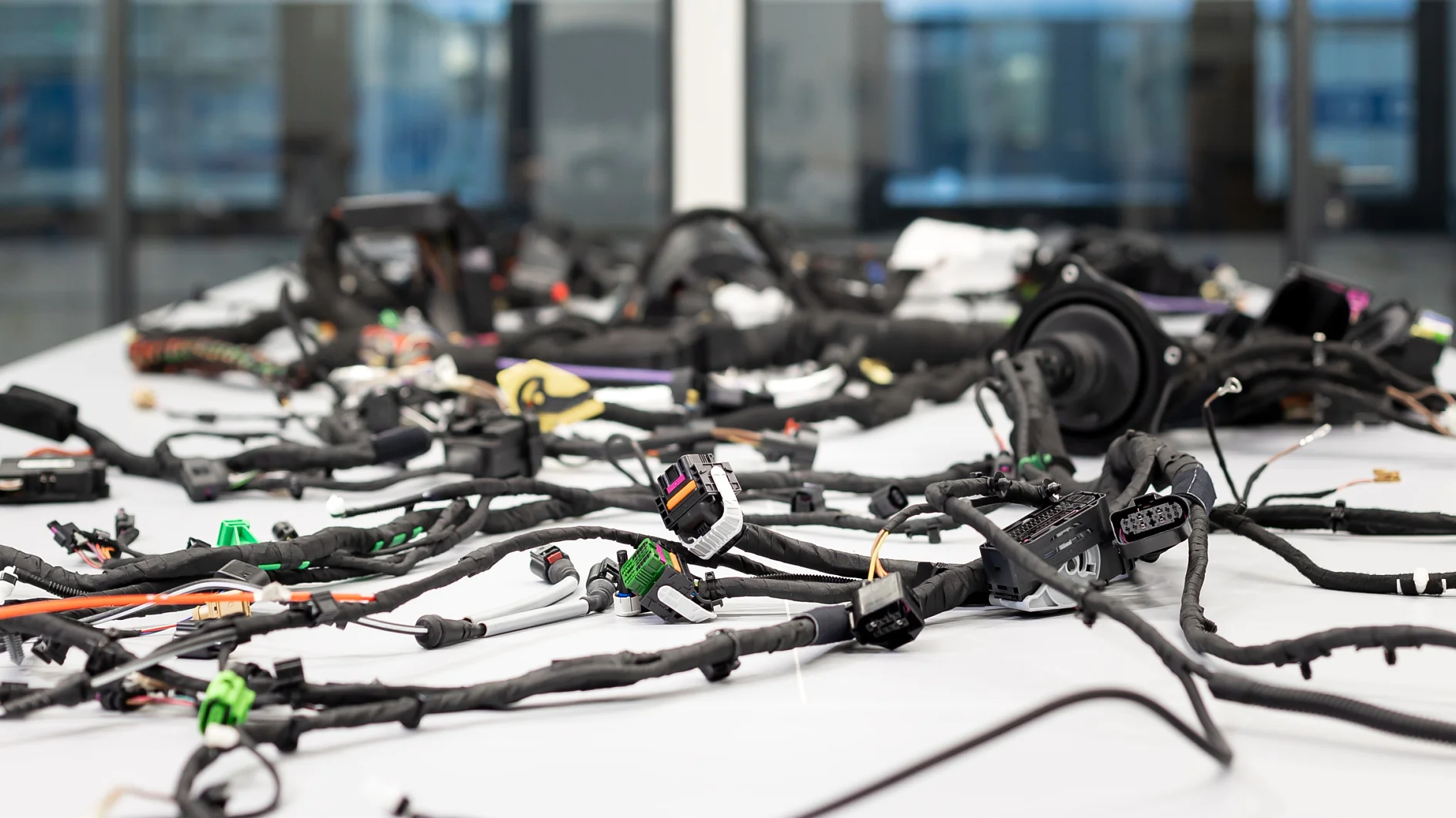
A central promise of the QuadAlliance is the reduction of complexity for vehicle manufacturers. Instead of having to coordinate many individual solutions, OEMs gain access to a coordinated technology platform – from holographic optical elements to lamination and system integration.

The partners closely align their roadmaps, development processes, and qualifications. This is intended to reduce risks, shorten project timelines, and enable a plannable transition to series production. The targeted industrialization by 2029 shows that the alliance is clearly focused on scalability and automotive suitability.

Clear Roles, Pooled Strengths

Each partner contributes specific core competencies:

  • ZEISS is responsible for optical design and mastering of holographic elements – supported by decades of holography and lithography expertise.
  • tesa provides precise mass replication of holographic films and brings deep know-how in process and material technologies.
  • Saint-Gobain Sekurit integrates the holographic films into the windshield and leverages its experience in innovative glazing systems.
  • Hyundai Mobis delivers HMI competence, system integration, and high-performance PGU technology.

This clear division of tasks along the value chain is a decisive factor in turning a high-tech innovation into an industrially robust product.

ZEISS and tesa: A Partnership with History

An important foundation of the new alliance is the long-standing collaboration between ZEISS and tesa. Both companies have been working intensively on holographic windshield displays for several years and have continuously expanded their cooperation.

From this close collaboration across the entire value chain, pioneering initiatives like the QuadAlliance emerge. Here, the pooled material, process, and optical expertise flows directly into industrial solutions.

More Than a Display: Safety, Efficiency, and Experience

In addition to the user experience, safety and sustainability aspects also play a role in the new era of modern display formats. Information in the direct line of sight can reduce distraction. At the same time, the solutions promise more efficient light utilization and weight reduction – with positive effects on energy consumption and carbon footprint.

View of a modern car interior from the back seat, featuring white leather seats, digital dashboard, central display, and tesa tape used in trim. (This text has been generated by AI)
One-stop solution – production-ready holographic windshield displays for OEMs

In the long term, holographic windshield displays could change the way drivers interact with their vehicle and the environment: context-related information, immersive navigation, or personalized content become conceivable without taking one's eyes off the road.

A woman with long brown hair stands in a modern hallway lined with large windows. She is wearing a black suit and is leaning on a wooden railing, which has been securely reinforced using tesa tape. The view outside shows buildings and trees. (This text has been generated by AI)
tesa CTO Dr. Ingrid Sebald summarizes this perspective as follows:
"Automotive glass is evolving from a passive surface into a dynamic gateway for immersive experiences. By leveraging the strengths of our global alliance and integrating tesa’s extensive process and material expertise, we offer customers a one-stop solution that integrates seamlessly into their processes. Windshields are being transformed into transparent, holographic interfaces, redefining the connection between drivers, their vehicles, and the world around them. I am excited by the possibilities this partnership unlocks, as together we will set new standards in display design and scale these innovations globally."

Outlook

The QuadAlliance demonstrates how strongly innovations in the automotive sector now depend on partnerships. No single company covers all competencies – only the interplay of optics, materials, glass, electronics, and system integration makes new concepts ready for series production.

If the roadmaps work out, the windshield could transform from a passive component to an active interface in the coming years. For the automotive industry, this would not only be a technological leap, but also a new stage for design, brand, and user experience.