Additional Info
Technical Recommendations:
The following values are recommendation for machine parameters to start with. Please note that optimum parameters strongly depend on the type of machine, particular materials for card bodies and chip-modules as well as customer requirements.
Embedding of chip-modules into dual interface smart cards
1. Pre-lamination:
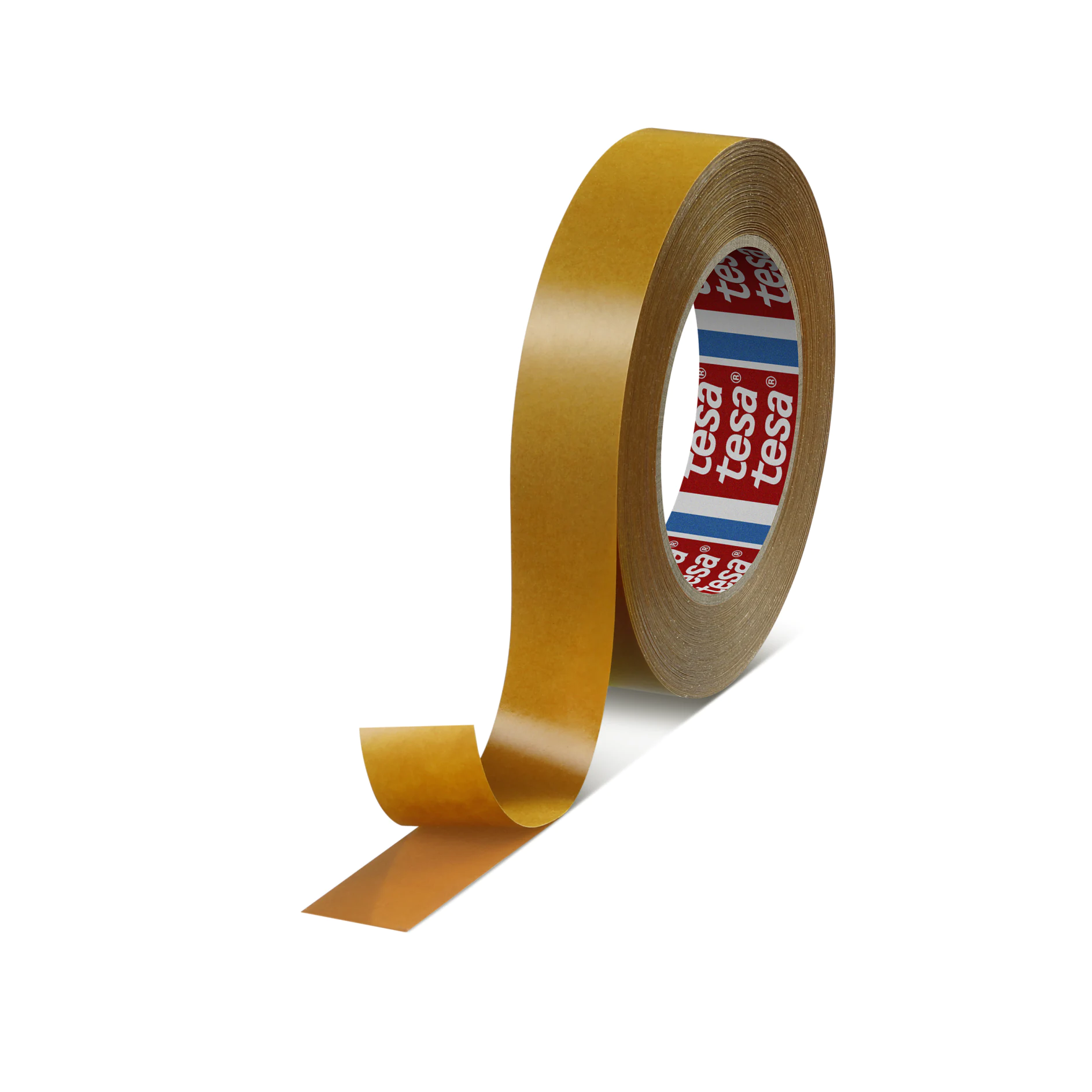
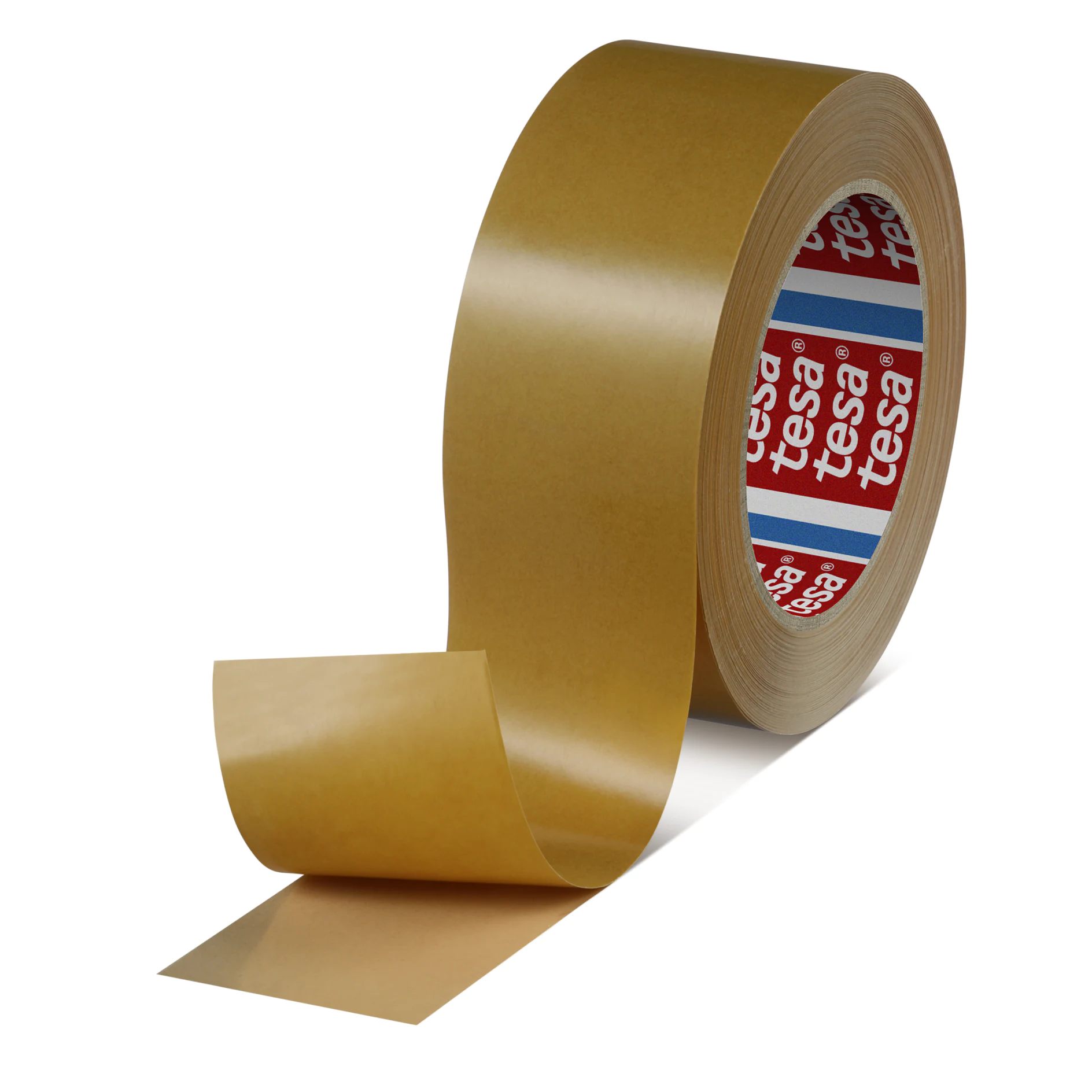
During pre-lamination, the adhesive tape is laminated onto the module belt. The pre-lamination step does not effect the shelf life time of the adhesive tape. Pre-laminated module belts can be stored over the same period of time as the adhesive tape.
Machine setting:
Temperature: 130–150 °C,
Pressure: 2–3 bar,
Speed: 1.5–2.5 m/min
2. Module embedding
During module embedding, the pre-laminated modules are die-cut from the module belt, positioned into the card cavity and permanently bonded to the card body by heat and pressure. Depending on the type of the implanting line, single step or multiple step process can be used. Today, most implanting machines have multiple heat press steps.
Single step process
Machine setting:
Temperature¹: 180–220 °C,
Pressure: 80–130 N/module,
Time: 1.5 s
3. Multiple step process (2 or more heating stamps)
Machine setting:
Temperature¹: 180-220 °C,
Pressure 80-130 N/module,
Time: 2 x 0.7 s / 3 x 0.5 s
¹Temperature recommendations refer to what can be measured inside the heating stamp. Different temperature settings are recommended for different card material:
1. Pre-lamination: During pre-lamination, the tape is laminated onto one component.
Machine setting:
Temperature¹: ≥120 °C,
Pressure²: ≥5 bar,
Time: ≥5 s
2. Bonding: Remove the liner from the tape after pre-lamination step. Place the pre-laminated component onto the substrate to bond with. Apply sufficient temperature while applying pressure for the bonding time to reach sufficient bonding strength.
Machine setting:
Temperature²: 120-250 °C,
Pressure³: 5-30 bar,
Time: 5 s – 3 min
² ‘Pre-lamination’ and ‘Bonding’ temperature refer to the data that is measured in the bond line. ³ ‘Pre-lamination’ and ‘Bonding’ pressure refer to the force that is transformed from jig surface directly to the bonding area. Bonding strength values were obtained under standard laboratory conditions. (Material: etched Al test specimen / bonding conditions: temperature = 180 °C; pressure = 10 bar; time = 7 sec). To reach maximum bonding strength surfaces should be clean and dry.
The following values are recommendation for machine parameters to start with. Please note that optimum parameters strongly depend on the type of machine, particular materials for card bodies and chip-modules as well as customer requirements.
Embedding of chip-modules into dual interface smart cards
1. Pre-lamination:
During pre-lamination, the adhesive tape is laminated onto the module belt. The pre-lamination step does not effect the shelf life time of the adhesive tape. Pre-laminated module belts can be stored over the same period of time as the adhesive tape.
Machine setting:
Temperature: 130–150 °C,
Pressure: 2–3 bar,
Speed: 1.5–2.5 m/min
2. Module embedding
During module embedding, the pre-laminated modules are die-cut from the module belt, positioned into the card cavity and permanently bonded to the card body by heat and pressure. Depending on the type of the implanting line, single step or multiple step process can be used. Today, most implanting machines have multiple heat press steps.
Single step process
Machine setting:
Temperature¹: 180–220 °C,
Pressure: 80–130 N/module,
Time: 1.5 s
3. Multiple step process (2 or more heating stamps)
Machine setting:
Temperature¹: 180-220 °C,
Pressure 80-130 N/module,
Time: 2 x 0.7 s / 3 x 0.5 s
¹Temperature recommendations refer to what can be measured inside the heating stamp. Different temperature settings are recommended for different card material:
- PVC 180–190 °C
- ABS 180–190 °C
- PET 190–200 °C
- PC 200–220 °C
1. Pre-lamination: During pre-lamination, the tape is laminated onto one component.
Machine setting:
Temperature¹: ≥120 °C,
Pressure²: ≥5 bar,
Time: ≥5 s
2. Bonding: Remove the liner from the tape after pre-lamination step. Place the pre-laminated component onto the substrate to bond with. Apply sufficient temperature while applying pressure for the bonding time to reach sufficient bonding strength.
Machine setting:
Temperature²: 120-250 °C,
Pressure³: 5-30 bar,
Time: 5 s – 3 min
² ‘Pre-lamination’ and ‘Bonding’ temperature refer to the data that is measured in the bond line. ³ ‘Pre-lamination’ and ‘Bonding’ pressure refer to the force that is transformed from jig surface directly to the bonding area. Bonding strength values were obtained under standard laboratory conditions. (Material: etched Al test specimen / bonding conditions: temperature = 180 °C; pressure = 10 bar; time = 7 sec). To reach maximum bonding strength surfaces should be clean and dry.