Mounting tape: Double-sided tape solutions for every industry
Features
Applications
Success story
Markets
Products
Contact us
If you are looking for a double-sided tape that is flexible, has a powerful bond, and can be used across a variety of surfaces, we can find a mounting tape for you.
We have mounting tapes suitable for a wide range of applications and industries. From heavy-duty mounting tape engineered to withstand stress and extreme elements, to tapes that debond on demand.
From permanent or long-term bonds to temporary solutions, find out about our range of available options.
What types of mounting tape are available?
01Filmic tapes
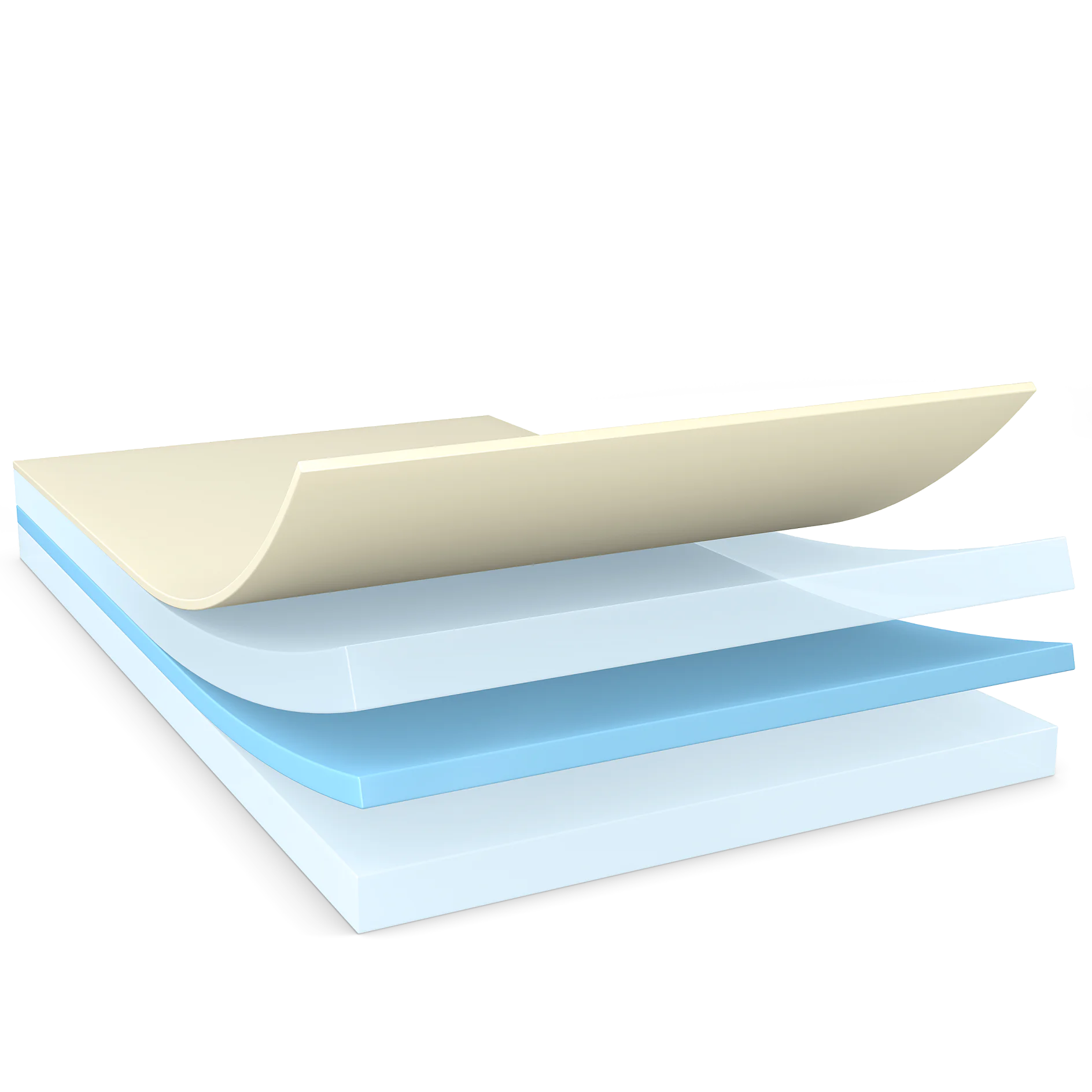
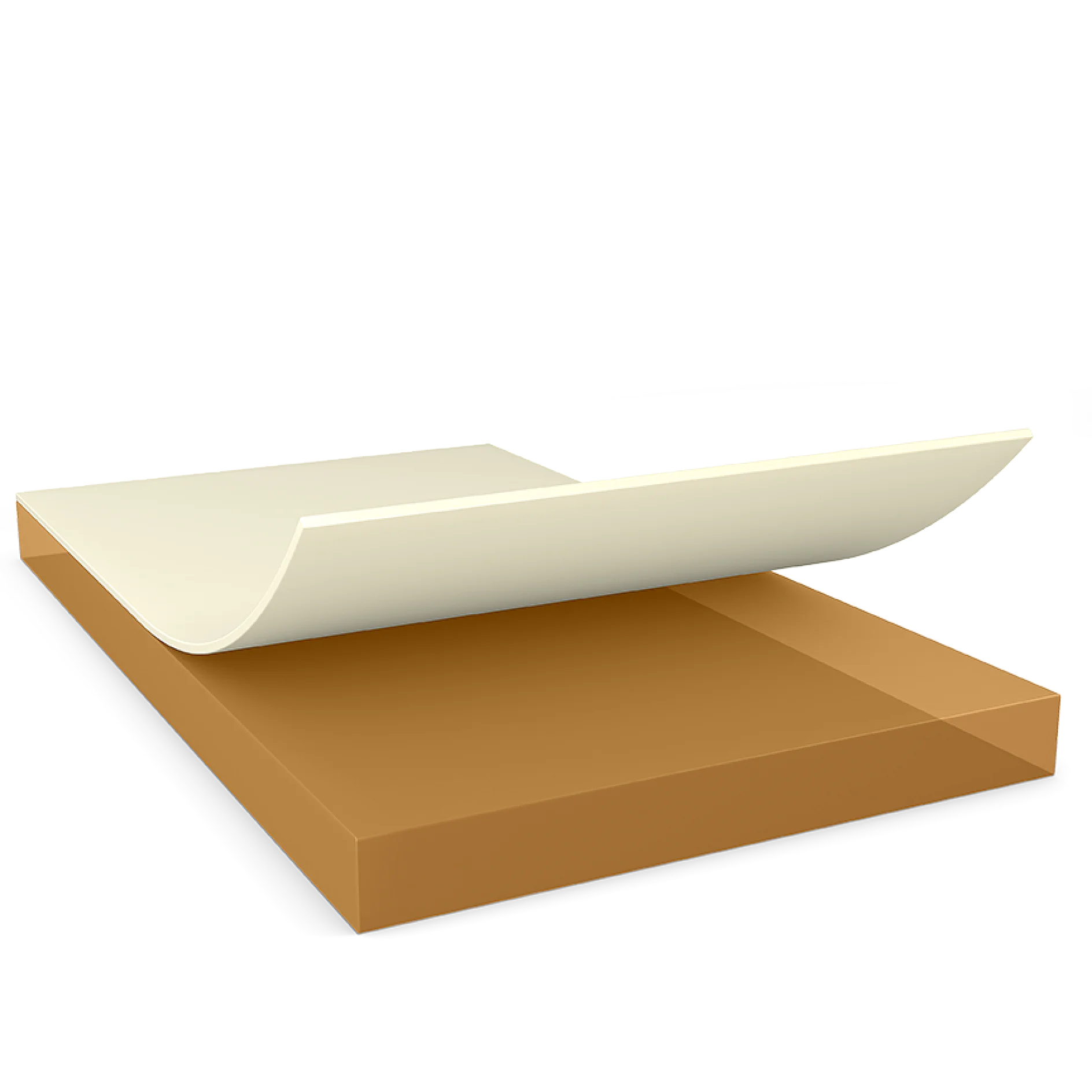
This category of double-sided tape is relatively thin and dimensionally stable. Filmic tape is ideal for bonding to smooth surfaces such as glass, metal, and plastic. They are chemical and temperature-resistant, with fast adhesion times, and are excellent for die cutting.
Our high-performance acrylic core mounting tape has been engineered to outperform conventional adhesives. This type of double-sided tape, such as tesaⓇ ACXplus, boasts optimal wetting characteristics and superior bonding.
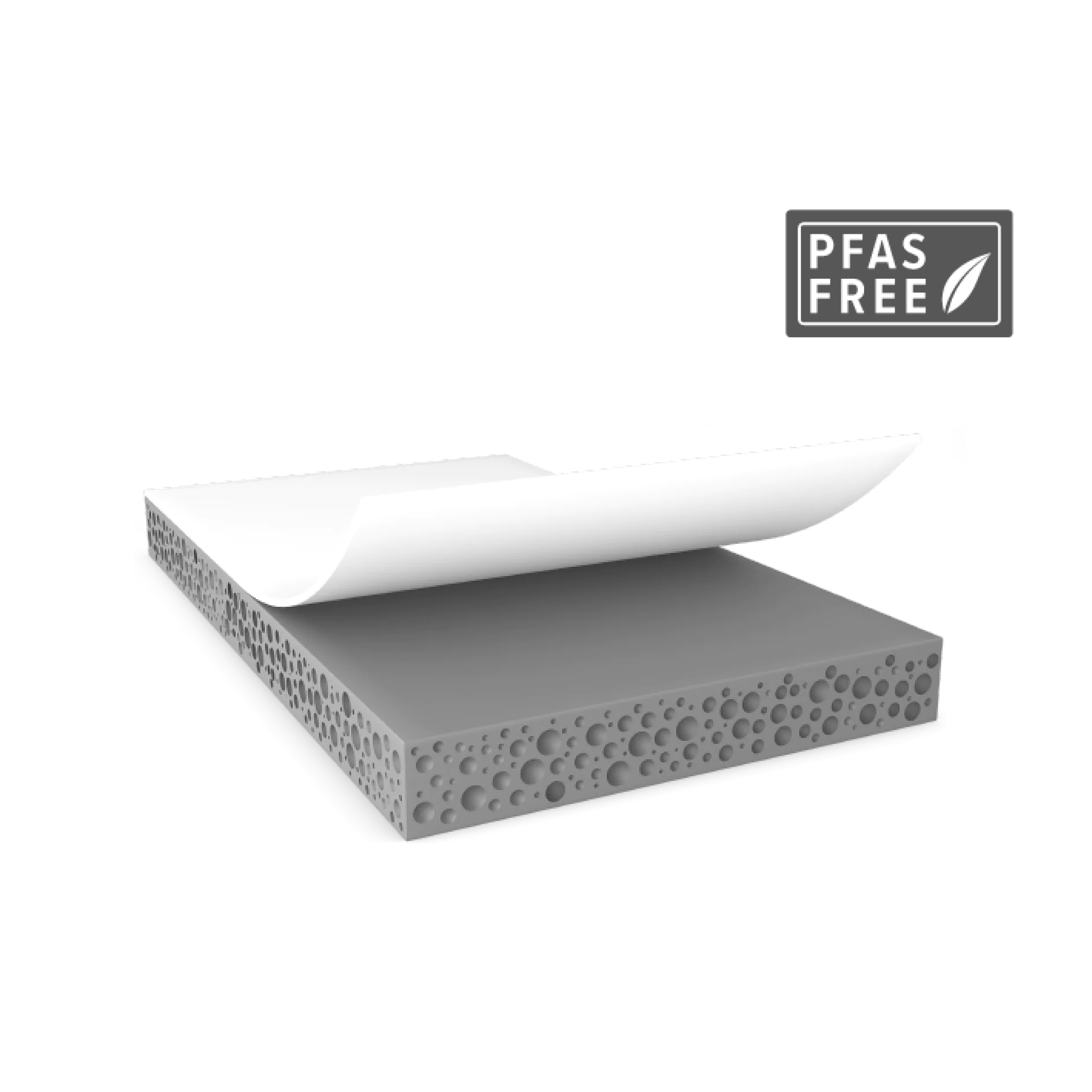
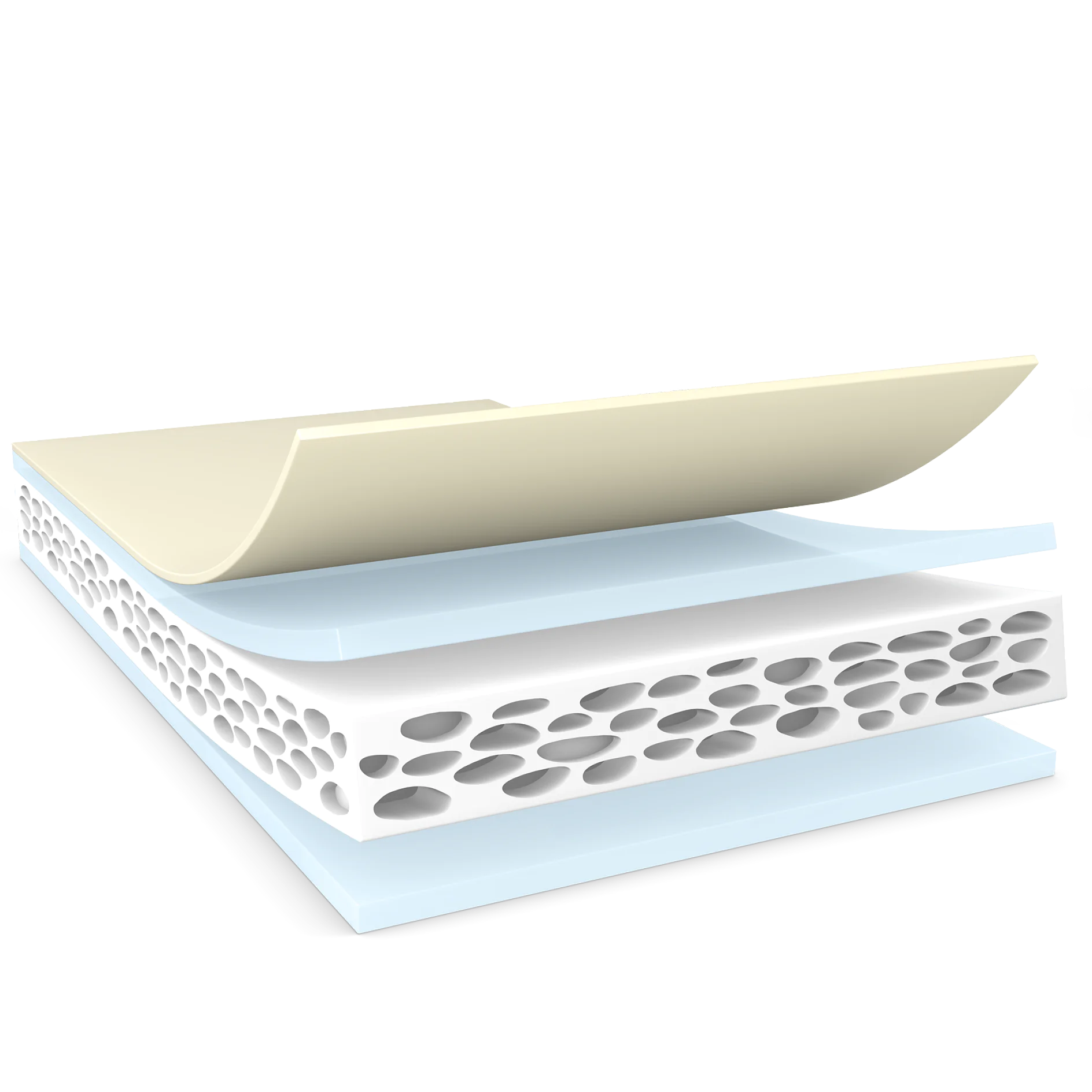
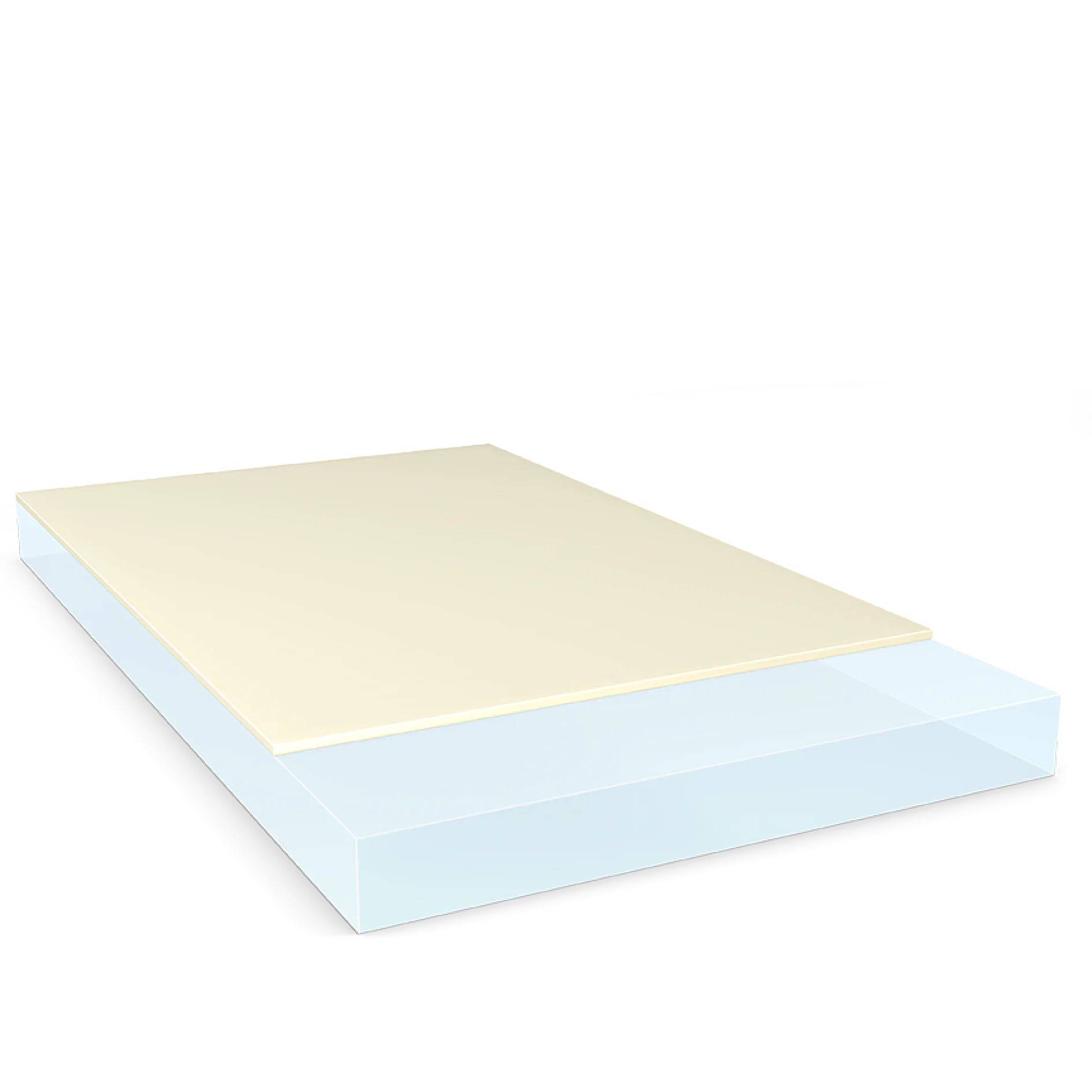
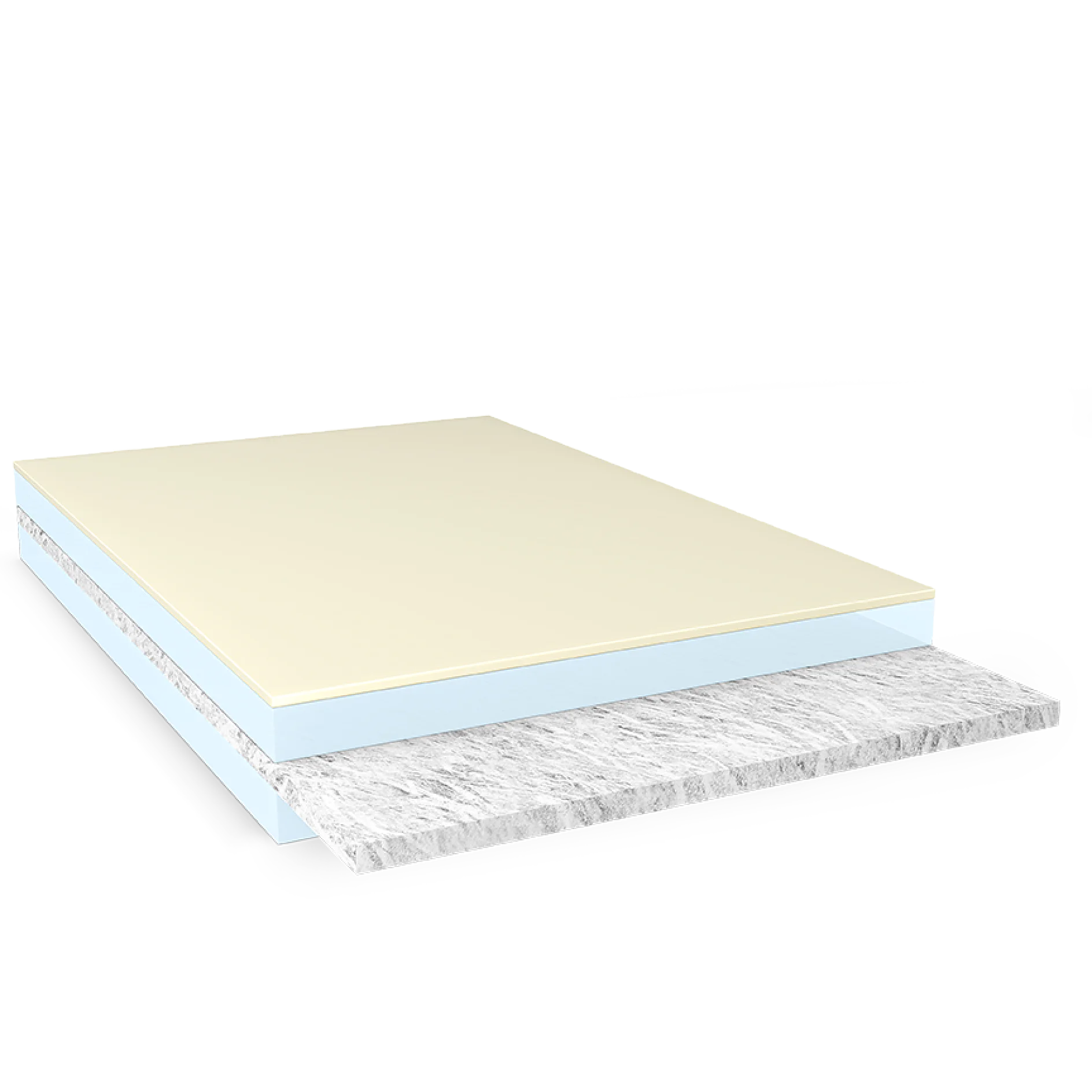
Our foam mounting tape range enables reliable adhesion, which can absorb noise, vibrations, protect surfaces, and provide insulation, even at extreme temperatures. Our foam double-sided tape is available in a variety of thicknesses, densities, adhesives, and backing materials.
Popular amongst engineers, these tapes form reliable bonds that can support heavy loads and bear stress. This category of mounting tape can be used on a variety of surfaces, including metal, composites, and plastic.
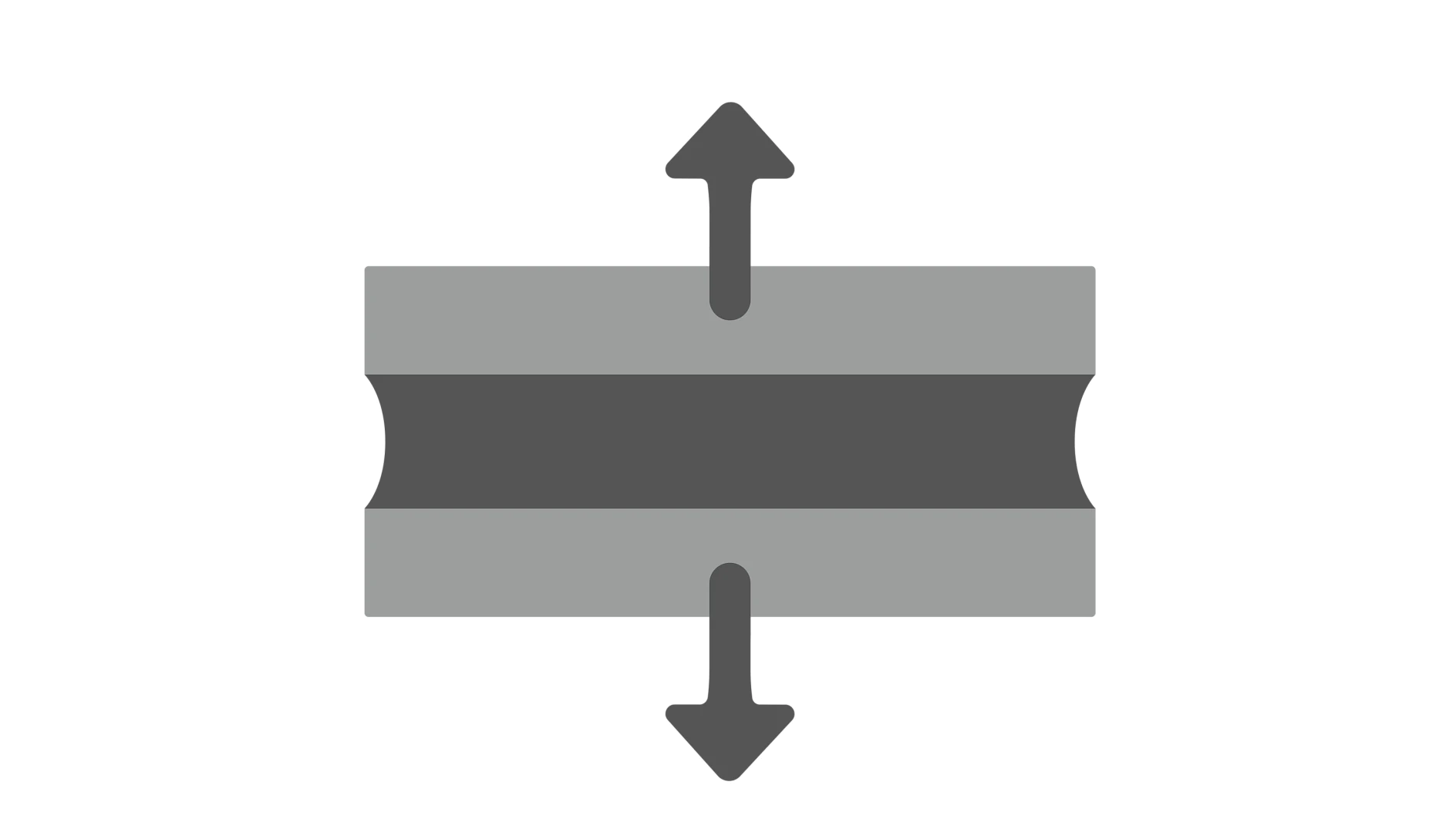
Some of our range can be removed without leaving residue or causing damage to surfaces. This range of double-sided tape uses our Bond & Detach® technology, and can debond on demand. There are several removal mechanisms available, including electrical, laser, stretch, and thermal debonding.
Designed for a wide range of industrial and commercial applications, transfer tapes are thin, flexible, and provide strong adhesion. This category of mounting tape holds up well in demanding environments. Some of the key benefits include: high temperature, chemical resistance, highly conformable, quick adhesion, and low VOC.
This is an umbrella term for cloth, duct, and gaffer tapes. Cloth tapes are highly flexible and conformable, resistant to swings in temperature and weather conditions, therefore suitable for a variety of temporary applications.
Also known as double-sided tissue tapes, non-woven tapes are conformable and flexible, making them suitable for irregular surfaces. Typical applications include lamination and splicing of foam, textiles, leather, and heavy papers, as well as laying floors.
Our mounting tapes offer highly secure, reliable adhesion suitable for a range of surfaces, environments, or area/load ratios. They boast a choice of thicknesses, widths, and backings, as well as key features such as:
High bonding performance
Mounting tape is known for its ease of bonding to a wide range of surfaces. This includes smooth substrates such as metal, all the way to LSE plastics, which are notoriously difficult to bond.
Resistance to harsh environments
Most mounting tape can withstand extreme temperature swings, UV, and humidity
Flexibility
Thanks to the flexibility of materials used, mounting tape can be applied to a variety of surfaces, from flat and slightly curved to heavily curved profiles.
Optically clear finishes
For translucent or transparent materials.
Chemical resistance
To different polar and non-polar substances.
Removability
Depending on the application, some of our mounting tapes can be debonded on demand without leaving residue or damaging the surface.
Our product and technology development department has produced a range of tape solutions for various industrial mounting applications. Working in synergy with our customers, we assess handheld or fully automated application solutions to best meet the needs of the job.
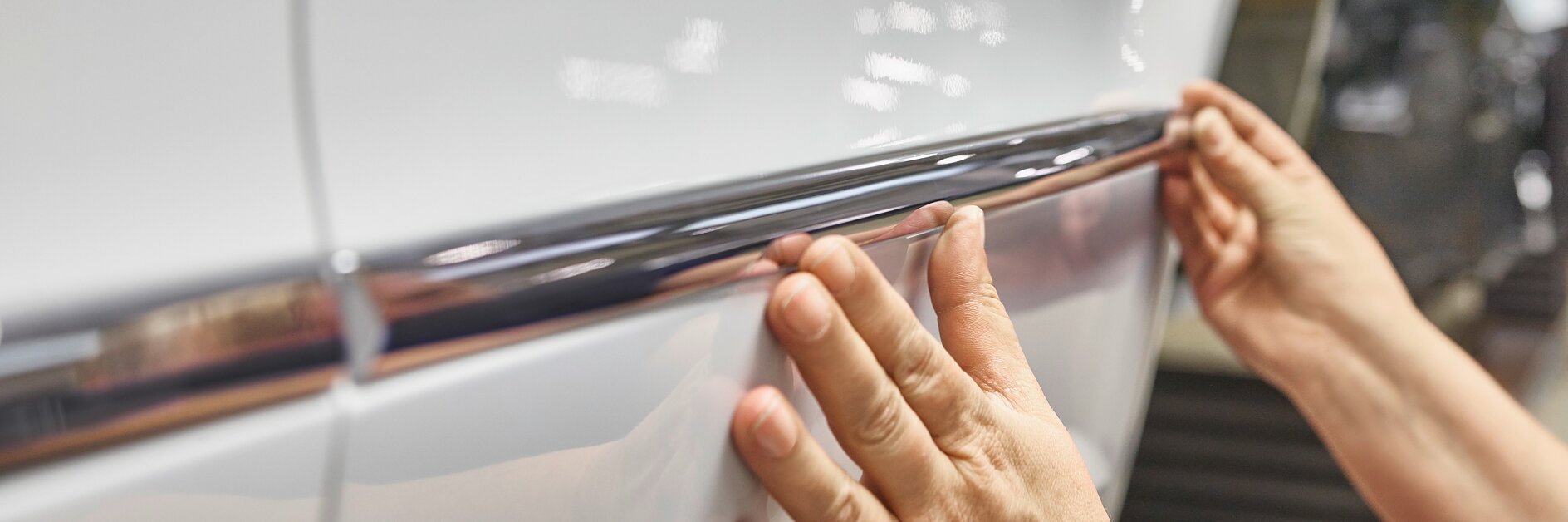
Whether you are looking to bond decorative or protective profiles and moldings in the transportation or furniture industry, mount plastic parts in the automotive industry, or fix lenses to smartphone housings, we have you covered.
Plate mounting tape
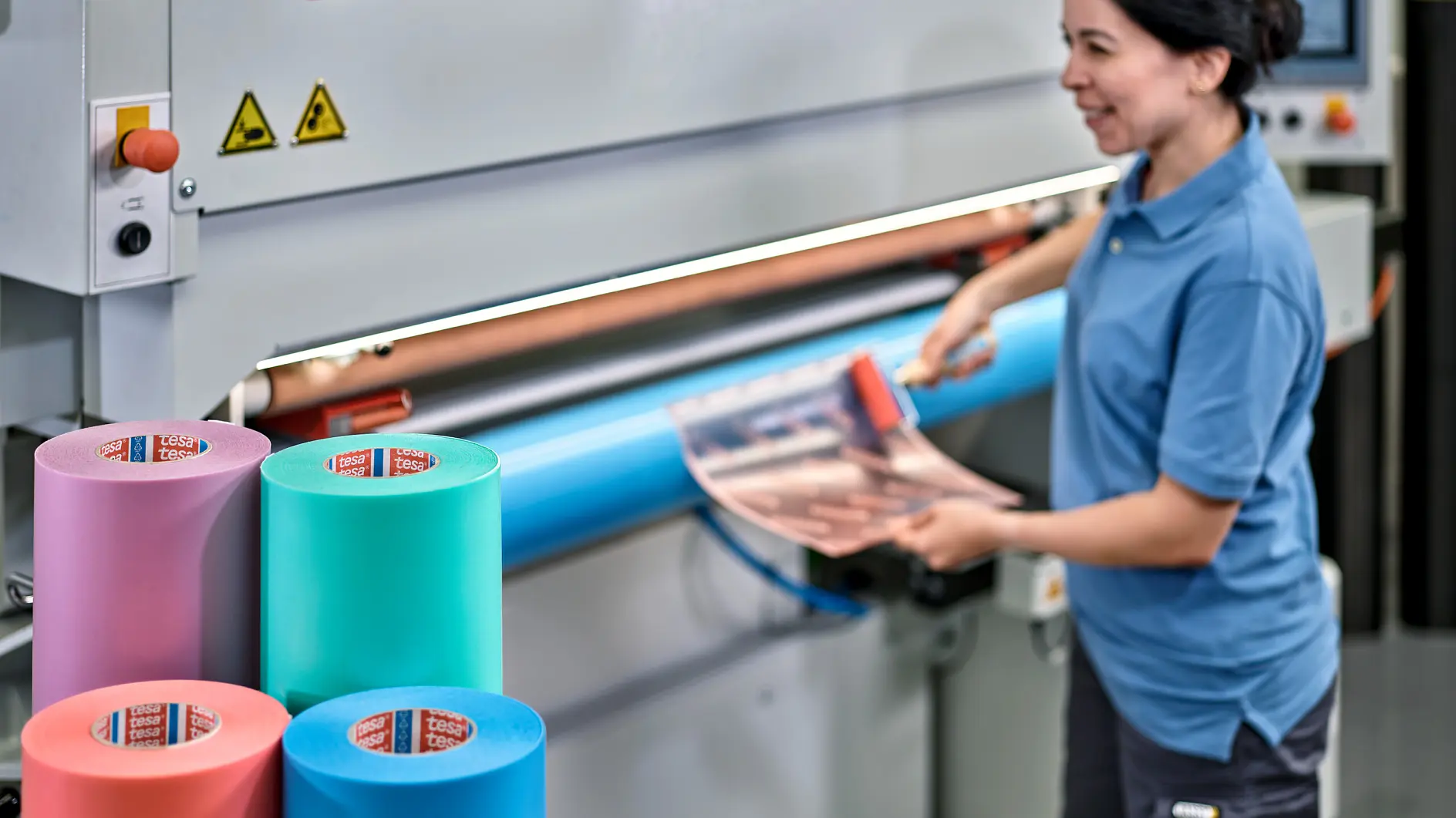
Achieve the best printing results with our tesa® plate mounting tapes and self-adhesive sleeves featuring high-quality foams to meet the exact demands of flexographic packaging and label printing.
If you are looking for a fast and flexible way to mount decorative panels or glass elements, we have near-invisible industrial solutions that offer a durable, reliable hold.
How we’re helping SBF GmbH efficiently secure their lighting modules with our fire-compliant mounting tape
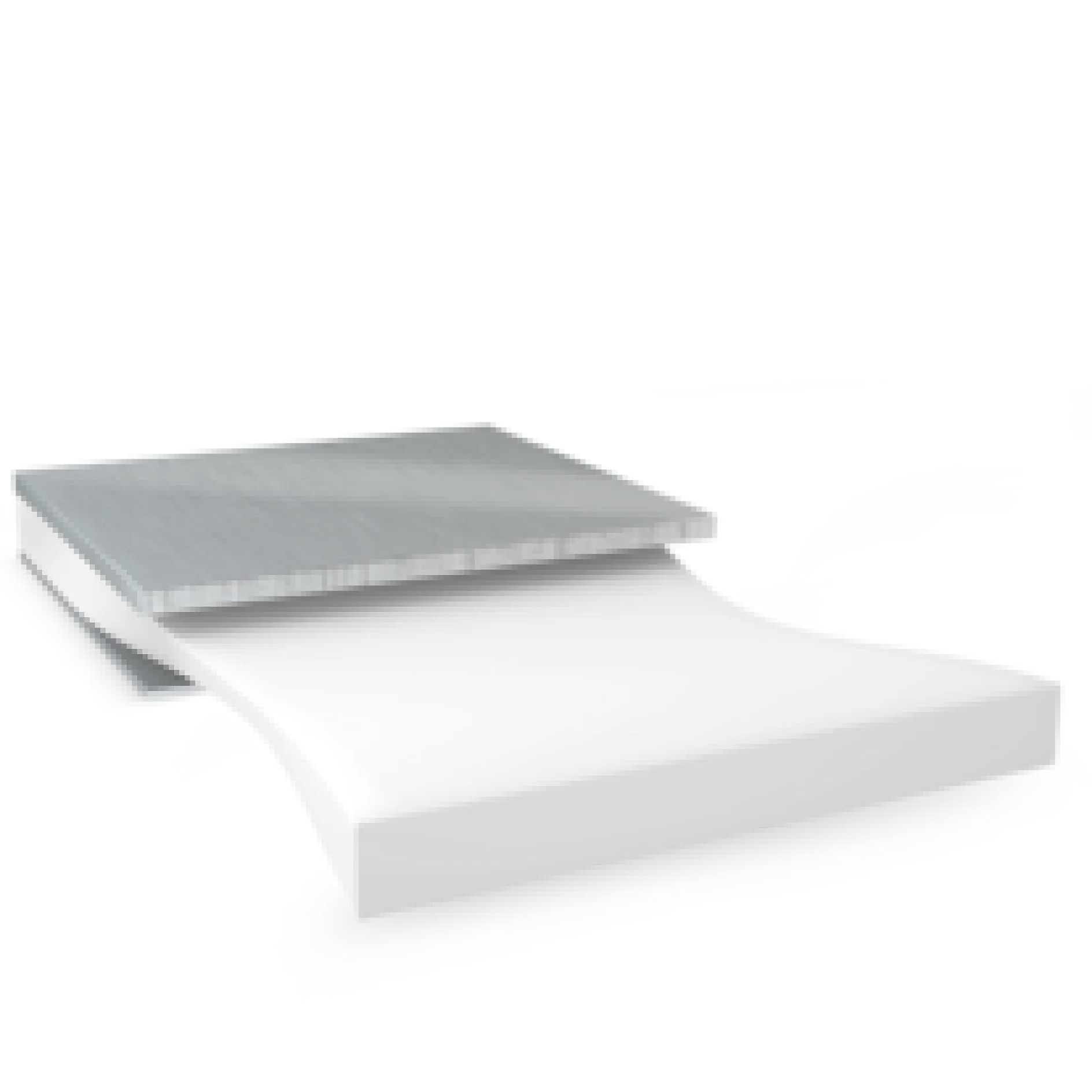
SBF GmbH is a leading industrial lighting specialist in rail vehicles. Working in rail vehicle construction means meeting stringent fire safety regulations. We worked together to engineer a mounting tape that meets the requirements of DIN EN 45545, which involves an aluminium – adhesive tape - aluminium, sandwich construction.
tesa® ACXplus 7072 enables efficient assembly and certified fire protection
"Fire protection is an important topic for suppliers in the rail vehicle industry. Since nearly all projects now require a classification according to DIN EN 45545, the use of fire-protection certified materials is mandatory.” – SBF GmbH
Whether you are looking for heavy-duty mounting tape or need a specific rubber or acrylic-based adhesive for your application, we are sure to have the right solution for you. Make use of our product finder to identify your best possible option.
Trust our tesa® quality, performance, and strength for your next mounting and bonding application. Our double-sided mounting tapes produce aspirational results in many industrial processes. However, should you need a bespoke mounting solution, tesa® will work with you to understand your requirements to relieve your process bottleneck.
Need help finding the right mounting tape for your application?
Our range of industrial double-sided tape is vast, but it doesn’t need to be overwhelming. If you’re on the lookout for the best mounting tape solutions, drop us a message, and our team of adhesive experts will be happy to help.