Reduce Emissions_Headervideo

When action meets ambition

Sustainability

tesa’s Hamburg plant will never be the same again. In 2025, we took transformation to the next level – further rolling out a bold plan that’s slashing CO₂ emissions and speeding up our path to climate neutral production by 2030 (Scope 1 & 2).

Investments in modern technology and sustainable processes to decouple growth from emissions

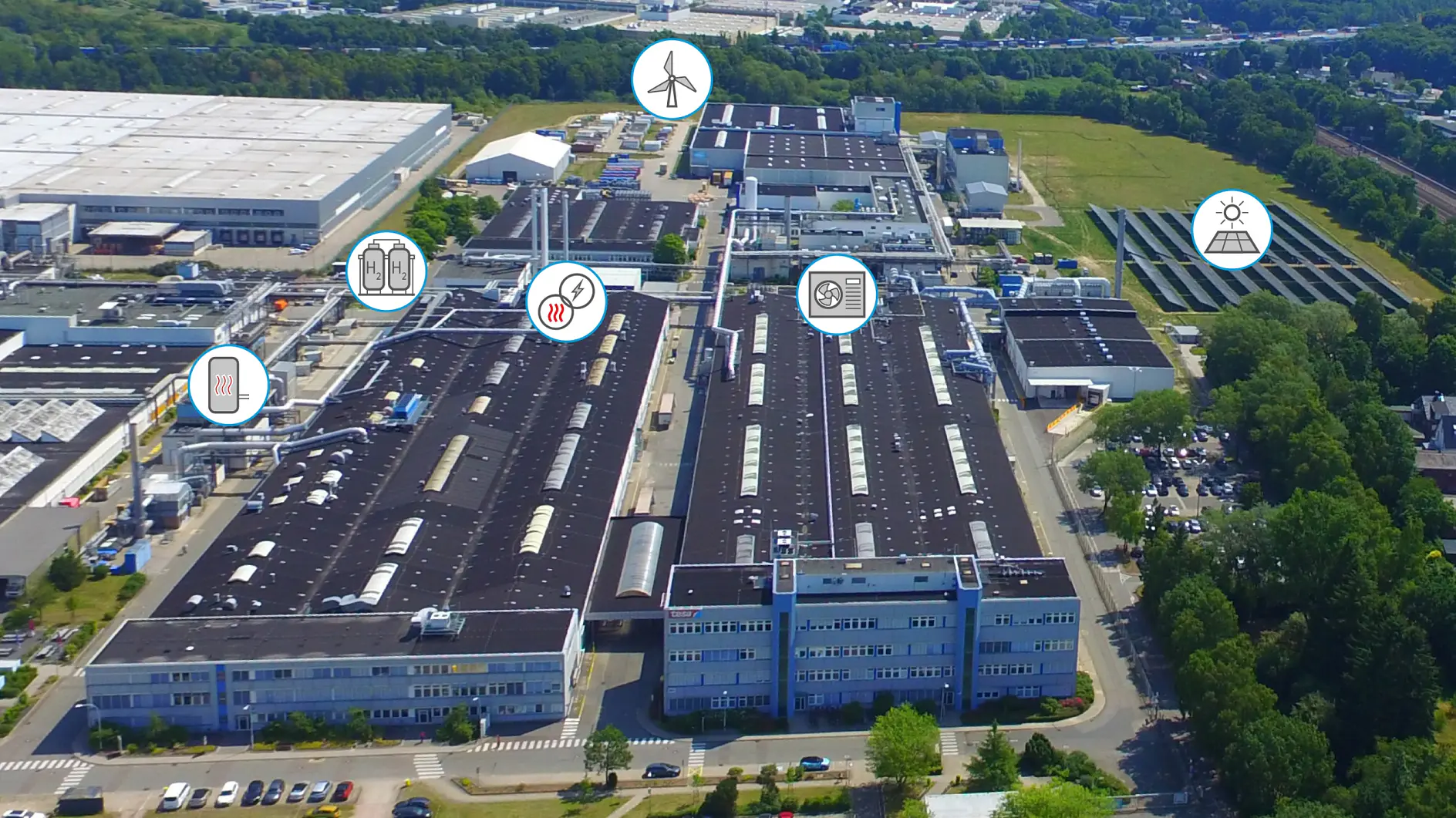
Hydrogen for steam generation

Starting in early 2028, tesa will be able to generate sustainable steam and process heat at its site using green hydrogen and electricity from renewable sources, thereby reducing production-related CO₂ emissions by 6,000 tons.

Heat storage

A 10-MW power-to-heat unit with a 40-MWh thermal storage system enables electricity from renewable sources to be converted into high-temperature steam and made available on an offpeak basis. This covers roundabout two-thirds of the site’s annual steam demand – climate-neutrally.

CHP

Our combined heat and power (CHP) units play a central role in our efficient and flexible energy supply. Our new AI-powered Energy Intelligence platform dynamically optimizes their operation based on energy prices and forecasts, enabling lower emissions, higher efficiency, and a more sustainable production overall.

Wind turbine

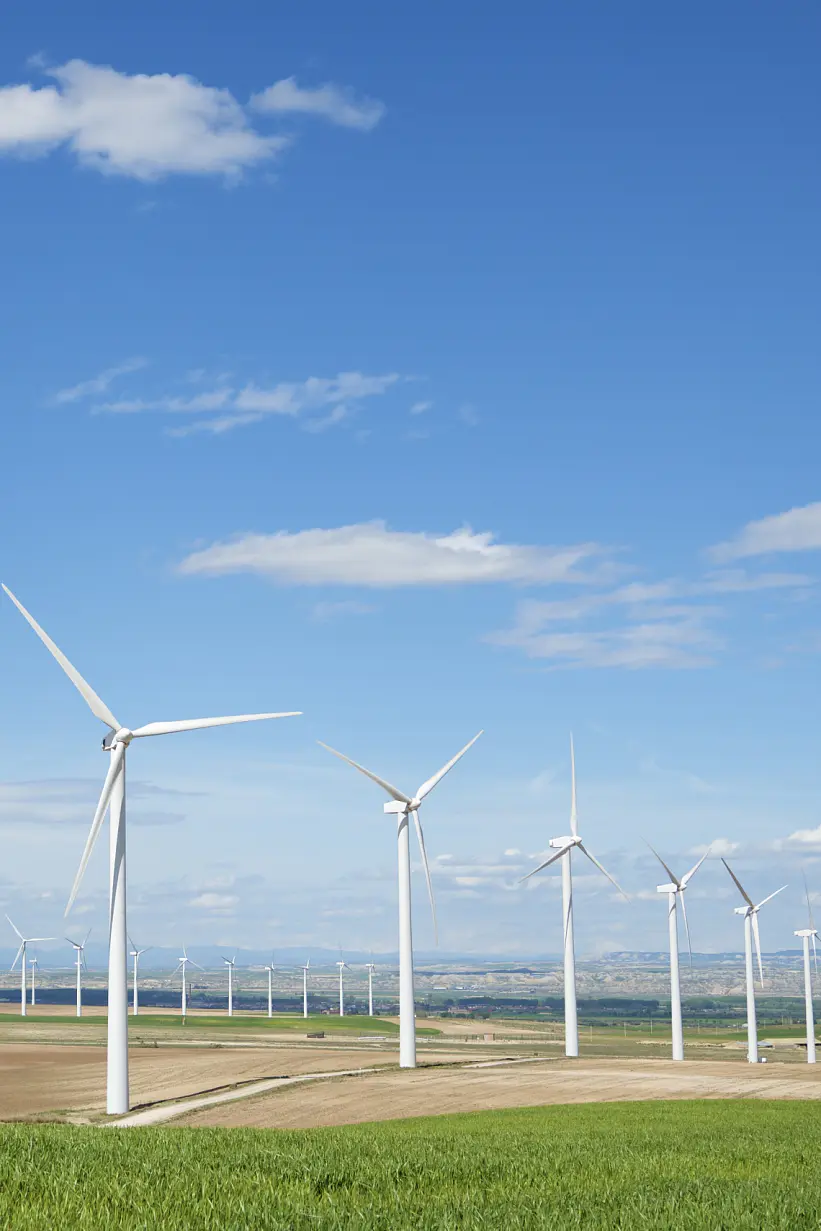
Further investments, e.g. in the building of a 4 MWp wind turbine, are in the pipeline.

Photovoltaic system

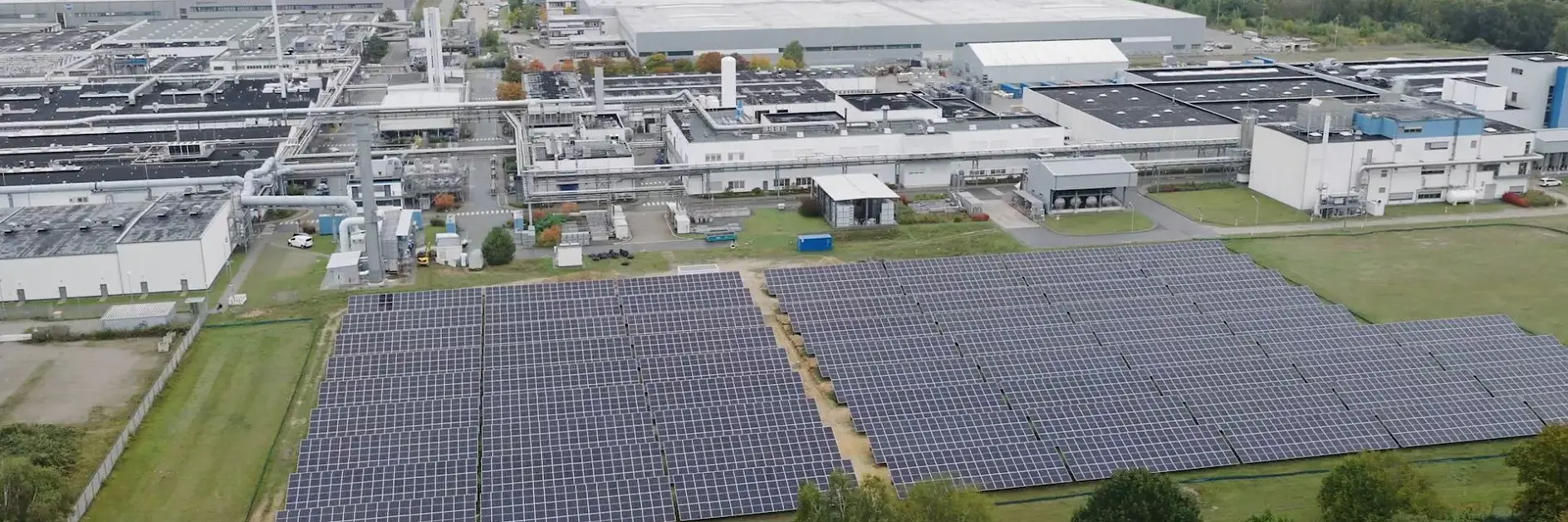
Solar panels with 2.2 MWp capacity were installed, with plans to extend by 1.8 MWp; they can cover approximately 5% of the site's electricity needs.

Heat pumps

20 GWh/a of building heat are decoupled from the steam network and will be provided with 3.5 MW heat pumps which are using the waste heat from processes via cooling circuits.

Hydrogen for steam generation

Starting in early 2028, tesa will be able to generate sustainable steam and process heat at its site using green hydrogen and electricity from renewable sources, thereby reducing production-related CO₂ emissions by 6,000 tons.

Heat storage

A 10-MW power-to-heat unit with a 40-MWh thermal storage system enables electricity from renewable sources to be converted into high-temperature steam and made available on an offpeak basis. This covers roundabout two-thirds of the site’s annual steam demand – climate-neutrally.

CHP

Our combined heat and power (CHP) units play a central role in our efficient and flexible energy supply. Our new AI-powered Energy Intelligence platform dynamically optimizes their operation based on energy prices and forecasts, enabling lower emissions, higher efficiency, and a more sustainable production overall.

Wind turbine

Further investments, e.g. in the building of a 4 MWp wind turbine, are in the pipeline.

Photovoltaic system

Solar panels with 2.2 MWp capacity were installed, with plans to extend by 1.8 MWp; they can cover approximately 5% of the site's electricity needs.

Heat pumps

20 GWh/a of building heat are decoupled from the steam network and will be provided with 3.5 MW heat pumps which are using the waste heat from processes via cooling circuits.

For the first time, renewables overtook coal as the world’s leading power source in 2025

(Source: Global Electricity Mid-Year Insights 2025)

By leveraging AI computing power in this way, we are able to use energy and equipment more flexibly in response to real-time data. We can also plan our daily and long-term operations in line with highly accurate predictions from this digital tool. On top of this, the AI platform creates a single source of truth across our global production network. That enables tesa teams worldwide to monitor KPIs for cost efficiency, energy use and emissions reduction more effectively.


We do: Reduce emissions

Tackling the global climate crisis and accelerating positive change are central elements of our committment. Our mission to reduce global emissions includes upstream and downstream processes as well as our own production. Green energy is a key pillar of our commitment. Since 2020, we have sourced 100 percent of our purchased electricity from renewable energy sources. In addition to reducing fossil-based energy consumption, increasing energy efficiency also plays an important role. To achieve this goal, we are implementing technologies that are particularly efficient in conserving resources and energy.