
An open cookbook on a light wood table shows pizza and pasta pages. A pen and a roll of tesa tape rest on the pasta page.

How material innovation is accelerating 

Sustainability

What if long-established solutions could be transformed to help tackle today’s biggest sustainability challenges?

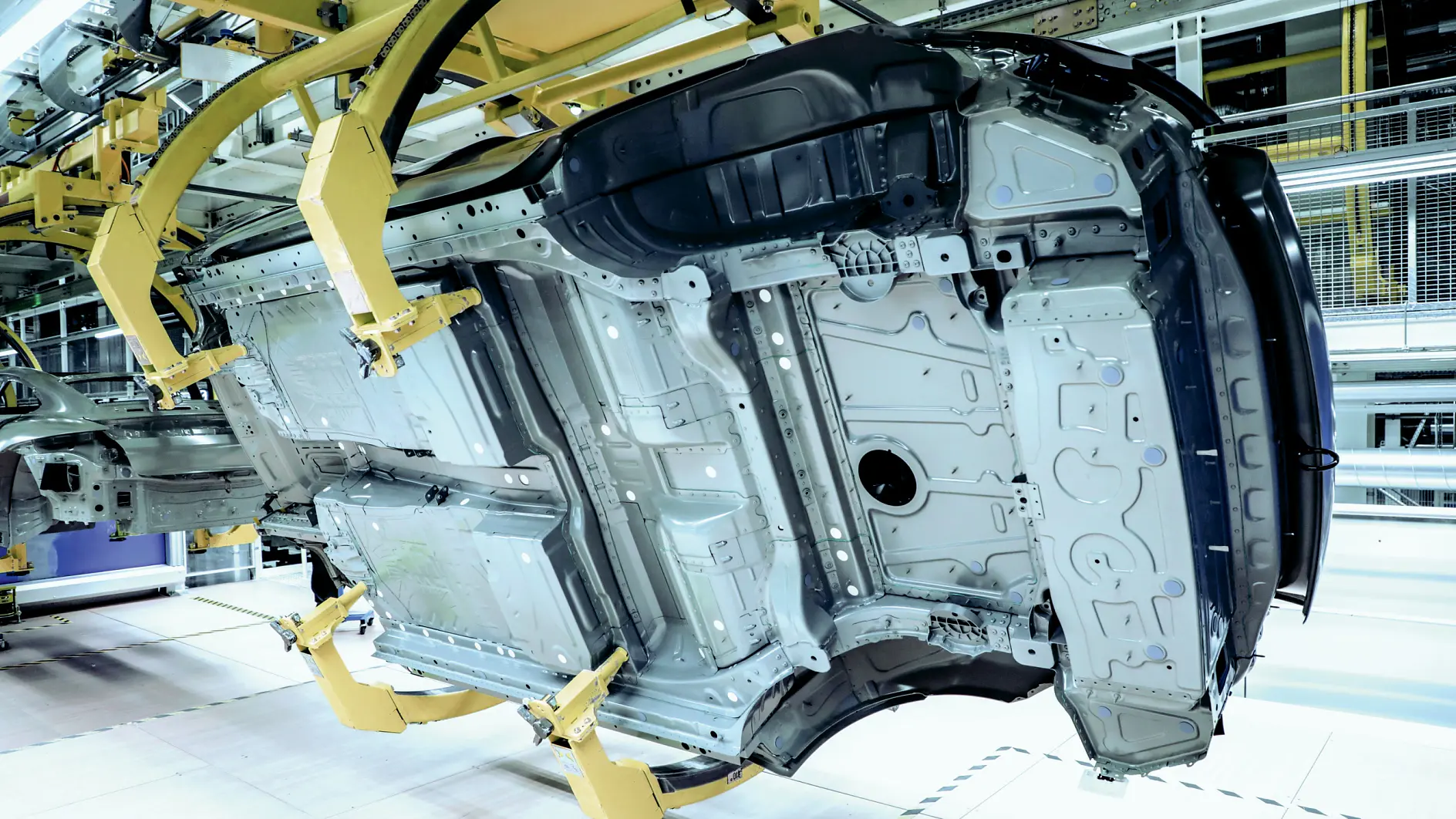
Every year, more than 100 billion holes in car bodies get covered by robots.

To seal these holes, carmakers typically use plastic, rubber, or metal plugs. Traditionally, this work was done manually, a time-consuming, physically demanding task that workers could only perform for two to three hours at a time. tesa’s adhesive hole coverings meet strict requirements for stability at high temperatures and under paint or anti-corrosion coatings. They also keep out moisture, dirt, and noise. tesa® hole-covering solutions are up to 85% lighter than plug solutions, which reduces vehicle weight and can help increase the drivable range of electric vehicle batteries. A special process developed in collaboration with Porsche also enables automated application by robots, thereby overcoming labor shortages and significantly reducing the physical strain on employees.


Our continuous development of tesa® hole covering solutions combine more sustainable and recycled materials with customer-centric innovation. This enables automotive manufacturers to achieve their sustainability goals efficiently and reliably.
David Caro

Head of Business Unit Automotive

We do: Rethink materials

tesa has set itself the goal of significantly increasing product sustainability and is working on this every day. Over the next few years, for example, we will be developing many new products that make a sustainable contribution to our top product ranges in the automotive, electrical, and construction industries, as well as for our consumers in the office and home. In doing so, we are focusing on the reduction of non-recycled fossil plastics and will increasingly use recycled and bio-based materials. 

Last updated on Oct 21, 2026