February 11, 2025 - PPWR comes into force
The process towards Packaging and Packaging Waste Regulation compliance begins. This means the PPWR has officially replaced the older legislation, the Packaging Directive.

Sustainability
For those of us based in, or with customers in Europe, you’ll know something about the EU’s Packaging and Packaging Waste Regulation. This is also referred to as PPWR (opens in a new window or tab), and its purpose is to tackle waste from packaging, promote recycling and reuse of materials, and generally shift towards more sustainable practices.
There’s a lot of noise around what it will mean and how it will transform the packaging industry. As a global supplier of packaging and adhesives, it is our responsibility to be part of the transformation. It’s also a priority of ours to help empower your understanding and guide you through the process.
Within this article, we’ll help you to understand:

The Packaging and Packaging Waste Regulation (PPWR) is an EU law that will take effect from August 2026. It replaces the previous Packaging and Waste Directive 94/62/EC (PPWD) (opens in a new window or tab), which came into force in December 1994.
What’s the difference between the 1994 directive and this new regulation (opens in a new window or tab)? In a nutshell, a directive is more flexible in that each member state essentially devises its own law on how to comply, and it is not enforceable. Whereas a regulation is a legal act that is enforceable and binds all member states to comply.
In summary, PPWR is legally binding, whereas directives and other national or international standards are guidelines. Member state rules, such as for recycling, will all be harmonized to the rules defined in the PPWR.
The goal is to reduce the environmental impact and standardize packaging regulations across the EU. Enforcing this regulation means rules on labelling, excess packaging, recyclability, and re-use of packaging will be harmonized across the region.
The PPWR came into force in February 2025. The requirements are set out on the European Union’s centralized website (opens in a new window or tab), as follows:
Additionally, this means the following new rules will apply:

Packaging refers to any item intended for the containment, protection, handling, delivery, or presentation of products. It has been confirmed that adhesives will not fall into this definition.
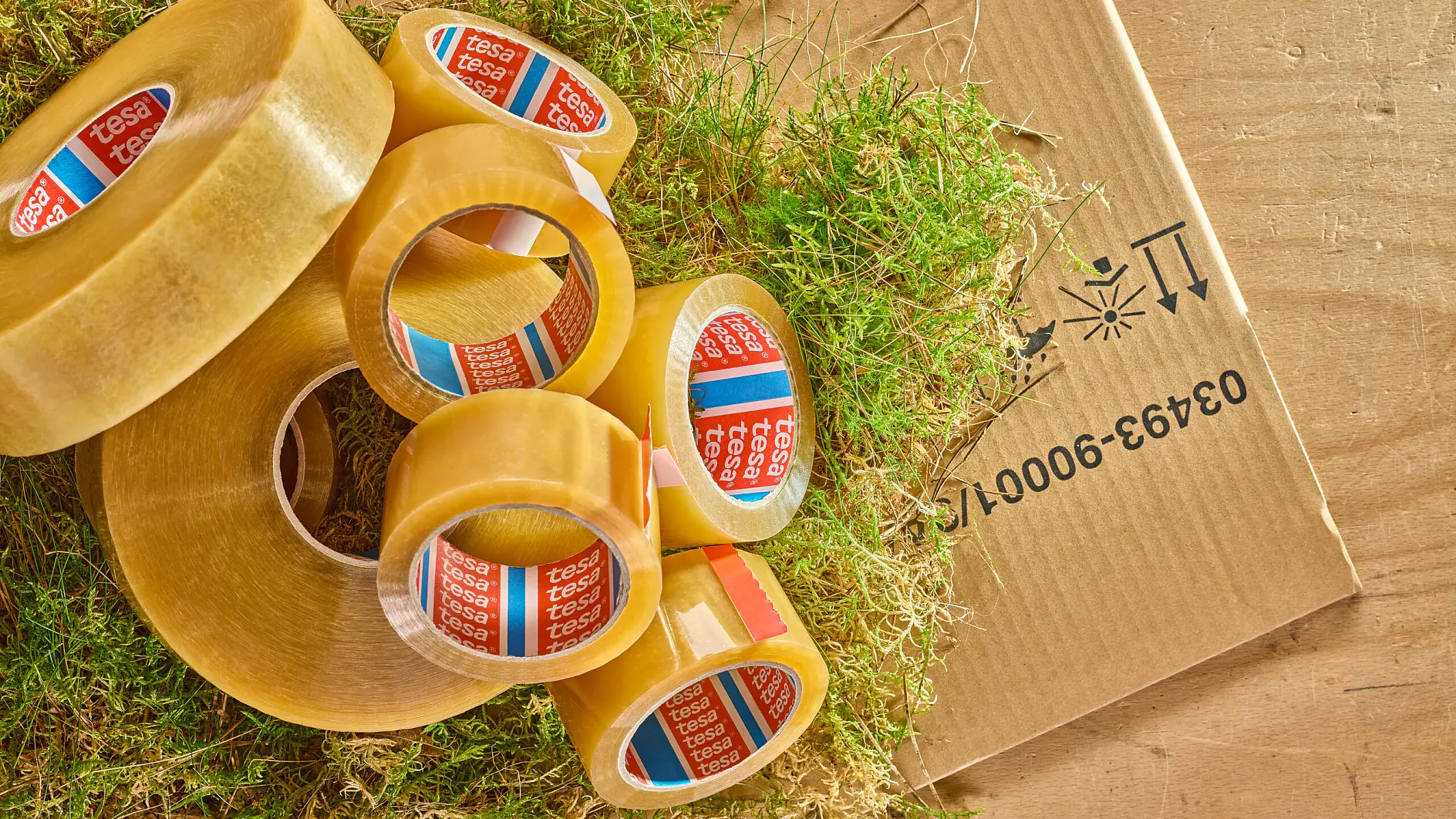
That said, while adhesive isn't considered packaging, the material, such as the tape, can be considered packaging if applied in a manner by our customers that meets the definition.
Items are not regarded as packaging when used, consumed, or disposed of together with a product and when its functionality is intrinsically linked to it being part of that product, such as repair tape.
In short, yes.
As the regulation is new, you have until August 2026 to start implementing the initial requirements and conformity declarations. The timeline below outlines what we know is coming and the dates for each milestone (as of November 2025).
By 12th February 2027, member states will announce the administrative fines applicable to those who do not comply with PPWR.
Yes - PPWR will impact the entire packaging supply chain. This includes the following:
Extended Producer Responsibility fees will be calculated for targets such as the recyclability of the packaging. This includes recycled content for plastic packaging. The EPR fees will be set by member states.
As with all new regulations, the transformation will not happen overnight. This timeline of key dates pinpoints what needs to happen, when.
The process towards Packaging and Packaging Waste Regulation compliance begins. This means the PPWR has officially replaced the older legislation, the Packaging Directive.
From February 11, 2025, to August 12, 2026, you will have an 18-month window to adapt your processes to comply with the Packaging and Packaging Waste Regulation.
From August 2026, you will be required to declare conformity for the packaging items you make available on the EU market. At this point in time, they need to conform to substance and initial labelling requirements. From August 2028, labels will be standardized regarding sorting information for recycling.
Any new goods entering the market after August 2026 will need to conform to substance requirements. This includes being within Heavy Metal threshold limts.
- Product labels will be standardised across the EU. It will be mandatory to provide harmonized information for labels, including material composition and recycling, reuse, or disposal instructions per packaging component.
For example, if a product comes with several packaging components, it is enough to label one of them and put all the information on that label.
- Alternatively, a QR code with a call to action, behind which all the information is available digitally.
- Reusable packaging must have a QR code or other standard digital carrier.
Any new goods entering the market for the first time after August 2028 will need to conform to these labelling requirements. This means they must have clear instructions on how to dispose of, recycle, or reuse each component of the packaging.
EU countries will be responsible for reducing the volume of waste per capita (based on levels from 2018) by:
- 5% by 2030
- 10% by 2035
- 15% by 2040
- All EU packaging must be recyclable in 2030.
- Evaluated by the Recycled at scale assessment (RaS) (Materials chosen for use in packaging must be recyclable at scale).
- Packaging will be graded on its recyclability in categories A, B, and C.
- A: Higher than or equal to 95% recyclability.
- B: Higher than or equal to 80 % recyclability.
- C1: Higher than or equal to 70% recyclability.
1C grade packaging will not be able to be placed or sold on the EU Market from 2038.
Plastic packaging will have a minimum recycled content percentage by 2030:
- Non-contact sensitive packaging: 35% - relevant for tesa.
- Contact sensitive packaging made from PET: 30%.
- Contact sensitive packaging made from other plastic materials: 10%.
- Single-use plastic beverage bottles: 30%.
- Using biobased plastics will reduce the targets above, which will be clarified in 2028.
These targets will increase in 2040.
- Minimising the amount of empty space in packaging and minimising to meet performance criteria.
- A maximum of 50% of empty space is allowed in the ratio of the volume occupied by sales units to the total volume of the transport, grouped or e-commerce packaging. Void-filling materials will count towards empty space.
The full scope for the Packaging and Packaging Waste Regulation can be found here (opens in a new window or tab).
Find out more about REACH (opens in a new window or tab) and Heavy Metal (opens in a new window or tab) limits (and PFA limits (opens in a new window or tab) for goods that come into contact with food).
Two of our core action areas are to create more sustainable adhesive products and to support our customers. For years, we have been dedicated to developing products that help improve the recyclability of packaging and reduce waste as a whole. We have done this through revolutionizing adhesive debonding to be residue-free and investing in more sustainable practices, processes, and materials.
We believe that the harmonizing of rules across all member states, manufacturers, and consumers will enable them to make better choices about packaging and how to dispose of it. Our team is here to help you understand the products available and how to make sure they meet your compliance requirements.