Why data-driven energy flexibility is becoming a key capability
Sustainability
How can production be sustainable, efficient, and economically viable at the same time when the energy market is becoming increasingly unpredictable?
As renewable energy expands, it not only increases the share of sustainable power generation — it also increases volatility in the market. Sometimes electricity prices drop to zero or even into negative territory; at other times, they skyrocket. For energy-intensive industries, that means planning becomes harder, supply less predictable, and costs more difficult to calculate.
From risk to a controllable factor
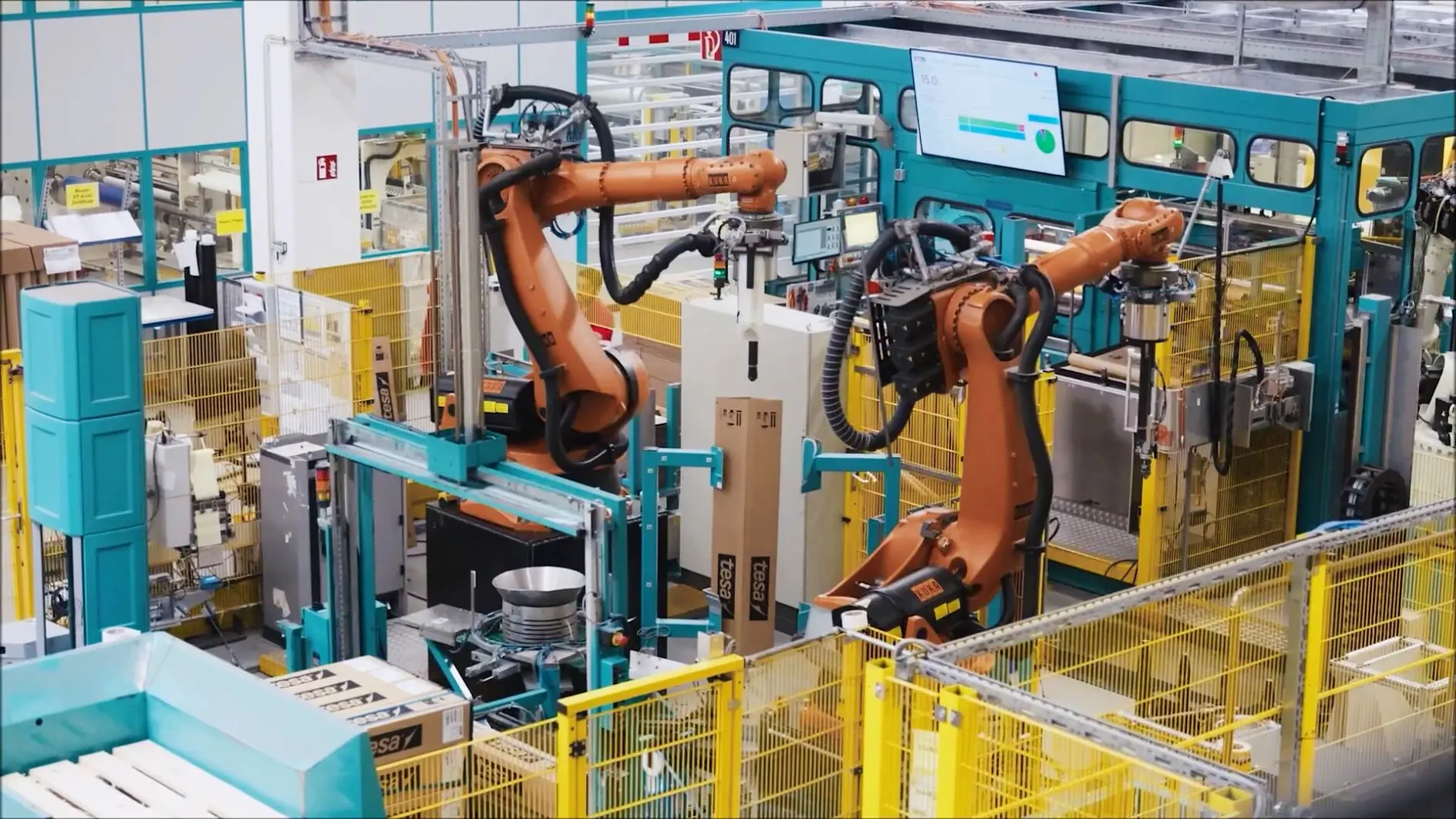
Microsoft Intelligent Manufacturing Award 2026 – tesa Energy Intelligence
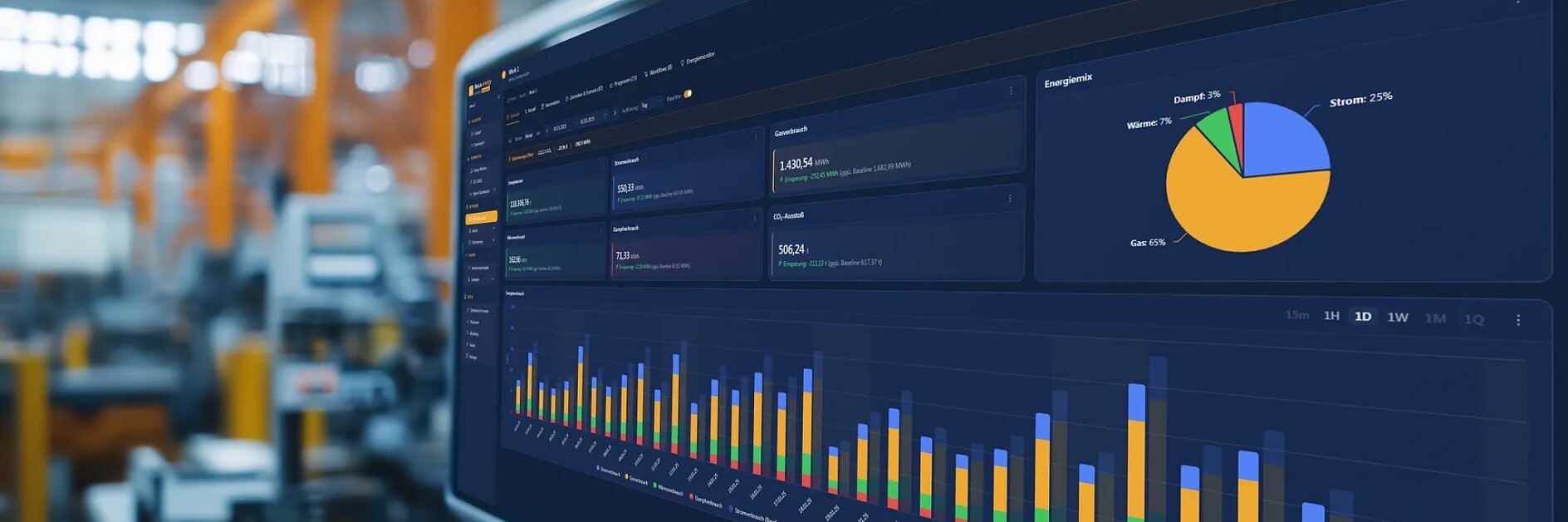
tesa has developed a solution for this: an AI-supported platform that analyzes, optimizes, and automatically controls energy flows in real time. Instead of working with static plans, the platform dynamically links energy availability with production and market conditions. It creates forecasts for electricity and gas demand, calculates cost-optimized schedules for flexible energy infrastructure such as combined heat and power plants, and implements them automatically. This turns a volatile market into a controllable part of production.
For this, the company received an award at the MIMA Awards 2026 (Microsoft Intelligent Manufacturing Awards) in the “Sustainability” category:
With the award, Microsoft and Roland Berger recognized projects that consistently use digital technologies along the industrial value chain. The recognition underscores how consistently tesa translates sustainability into industrial practice — and how digital technologies help not only manage uncertainty, but actively turn it into a competitive advantage.
A measurable contribution to climate neutrality
The solution is already live at three German production sites. It creates a shared data foundation that connects local decisions with tesa’s global energy strategy and supports the implementation of the sustainability strategy “we do”, through which tesa aims to produce climate-neutral by 2030.
The impact is already measurable: in 2025, around 6,800 tons of CO₂ were saved at German production sites. At the same time, energy costs decreased noticeably. By 2030, the potential is around 38,000 tons of CO₂ and more than 10% cost reduction through AI optimization. For tesa, the platform is therefore far more than an efficiency project. It is an important lever to combine sustainability, security of supply, and competitiveness.