Alliance for tomorrow: tesa, ZEISS, Saint-Gobain Sekurit, and Hyundai Mobis unite to revolutionize windshield display technology
Read more

Markets
The market for modern vehicles – particularly electrified and software-defined models – continues to grow. At the same time, the way people evaluate and choose cars is changing. New expectations are joining traditional criteria. Purchase decisions are becoming more nuanced. In addition to price, consumers are paying closer attention to long-term benefits, operating costs, and digital features. With this shift, new questions are emerging:
For manufacturers, this is more than just a snapshot of sentiment. When purchase criteria shift, strategic priorities automatically shift as well. Or to put it another way: when customers ask different questions, OEMs must deliver different answers.
International consumer studies – including those by Deloitte¹ – show that buyers are making more rational, value-oriented, and less brand-loyal decisions. For OEMs, this means: substance beats image. The following three areas show where this development is particularly evident.
Today, customers understand quality to mean far more than just the brand name. It encompasses primarily the daily user experience. In addition to long-term reliability, aspects such as the following also play an important role:
© Jens Ruessmann
Especially with electrified and digitized vehicles, the concept of quality is shifting. Battery, displays, sensors, and control units are becoming central quality components.
For OEMs, this means: quality emerges from the interplay of many systems. How vibration-resistant a display is integrated, how well electronics are protected, or how materials age shapes the customer's perception.
Thoughtful material and connection concepts like adhesive tapes play an important role. They ensure stability, protection, and longevity – usually invisible to the user, but crucial for the overall impression and lifespan.
The battery is the heart of an electric vehicle. Studies such as the "Electric Vehicle Battery Technology Market Research Report 2026–2031"² show that the market is growing at around 8.05% annually between 2026 and 2031 and is gaining increasing importance. With this market maturity, however, buyer expectations are also rising: in addition to range and performance, questions about aging, repairability, and use after the vehicle's first life are moving more into focus.
This turns the battery into a lifecycle topic. Buyers want to know whether modules or components can be replaced and whether batteries can be meaningfully reused after their use in the vehicle. These criteria are partially decisive in the purchase decision.
© Marcus Meyer Photography
With growing production volumes, second-life concepts and recycling are thus automatically moving more into focus. It is crucial that these possibilities are already built into the design. Batteries must be constructed so that they can be disassembled, repaired, and separated by material.
This is precisely where a conflict of objectives arises: battery systems must be extremely robust and safe during operation, while also remaining accessible for maintenance, rework and decommissioning.
Thoughtful fastening and sealing concepts therefore play a central role. They protect cells and structure, but can also enable service-friendly solutions. Modern adhesive and sealing technologies such as tesa's Debonding on Demand help balance stability and disassemblability.
For customers, this means: real repair options and longer usability. For manufacturers: better conditions for sustainable cycles and more efficient resource use.
Digital functions are increasingly shaping the driving experience. Displays, operating logic, and connected services influence purchase decisions more strongly than before. Market analyses by Fortune Business Insights show strong growth in the areas of automotive displays and cockpit electronics.
Drivers are:
And the development continues rapidly: alongside the software-defined vehicle, the AI-defined vehicle is gaining increasing importance. More and more functions that were previously controlled by conventional software according to fixed rules will in future be supported by AI and optimized in real time.
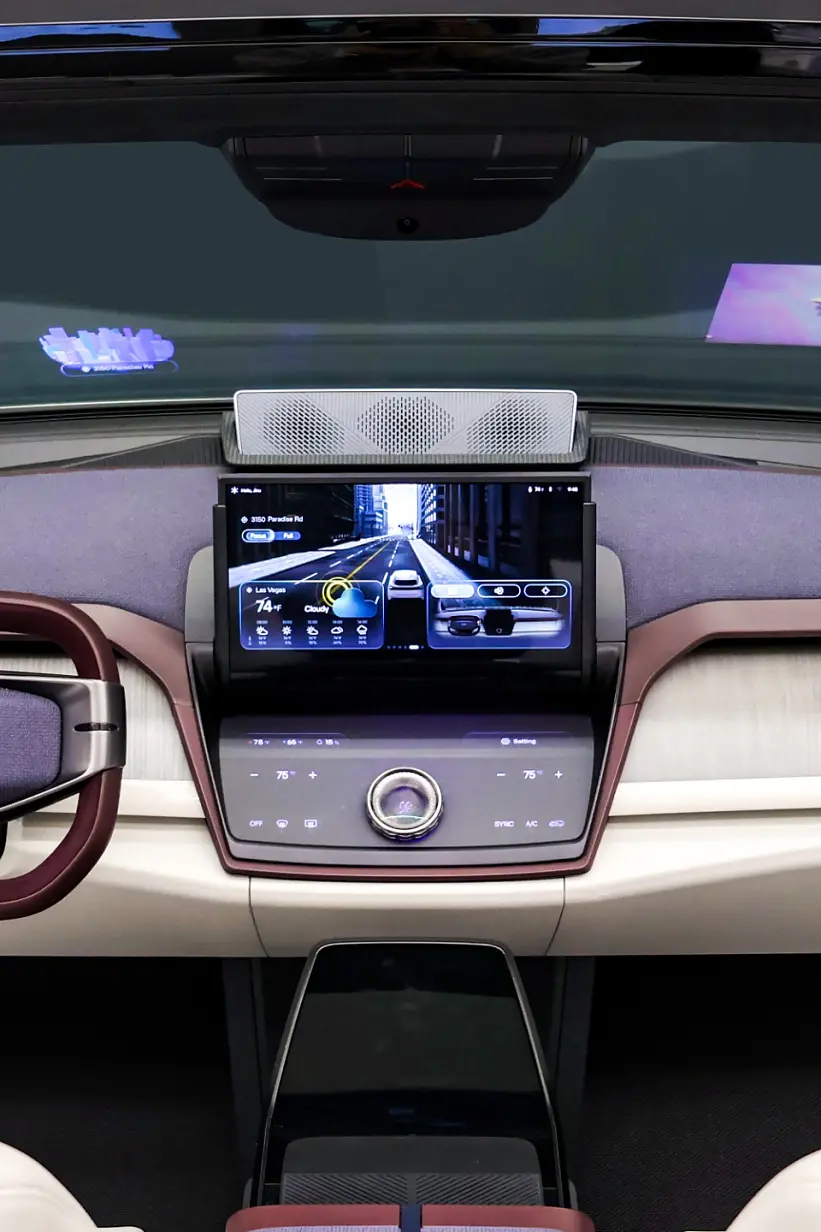
But the more digital vehicles become, the more sensitive the hardware becomes. Displays must reliably withstand temperature changes and vibrations, electronics need effective protection against moisture, and increasingly thinner designs require the highest precision in integration.
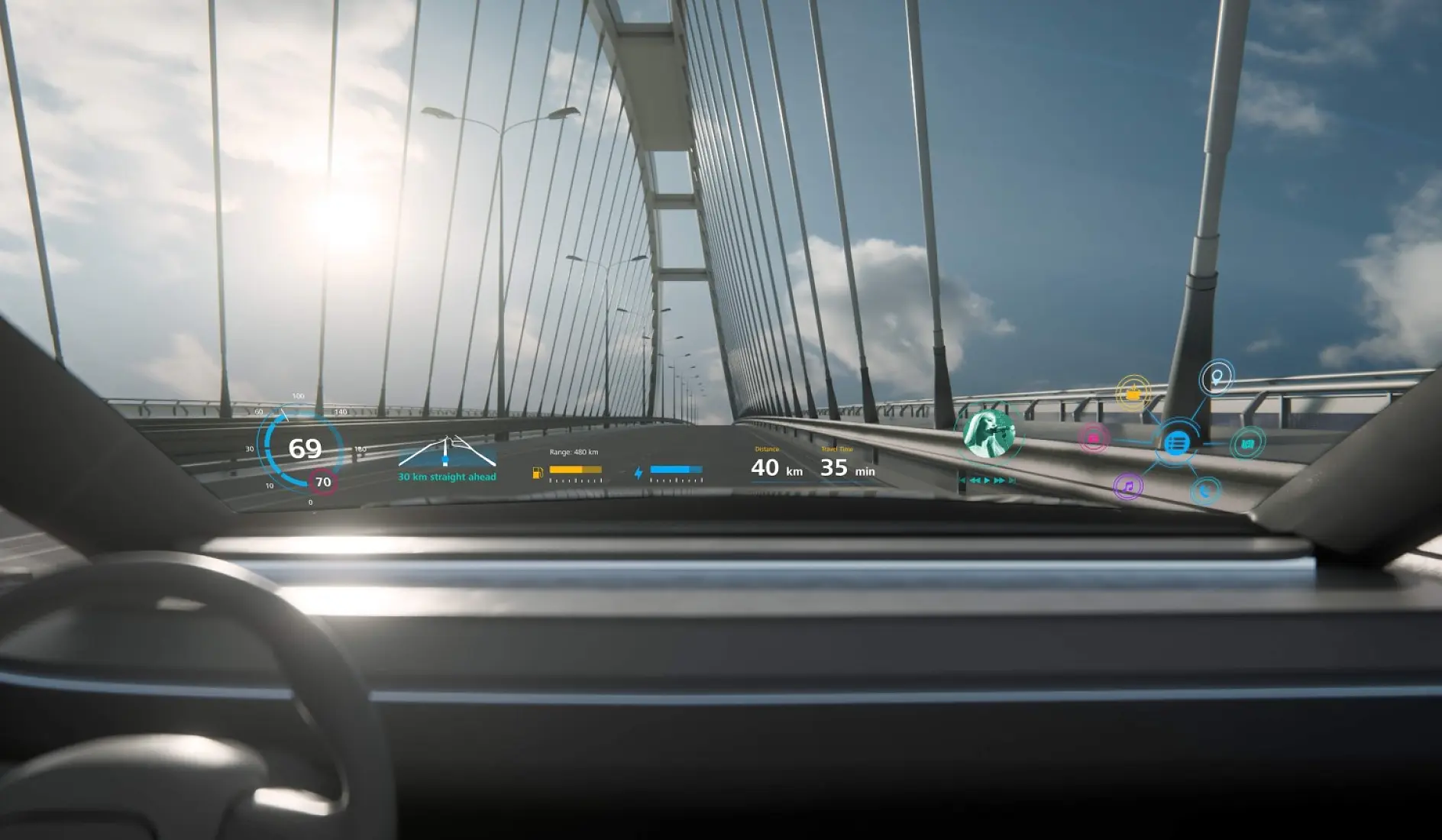
Seamless cockpit designs only succeed when fastening, damping, and sealing work together at a high level. Advanced adhesive solutions- such as those developed by tesa SE - enable structural bonding, vibration damping, and reliable sealing within a single, integrated approach. These modern bonding technologies allow sleeker designs, fewer visible attachment points, and enhanced protection of sensitive components. The customer experiences this as a refined, high-quality user experience. For manufacturers, it represents precision engineering through intelligent adhesive integration.
Electrification, digitization, and sustainability are a given; what matters is how they are implemented. For buyers today, what counts above all is reliable quality – that is affordable –, the everyday usability and longevity of electric vehicles, and reliable digital systems. For OEMs, this brings lifecycle thinking, repair- and recycling-friendly design, and high-quality integration of electronics into focus. Many of these aspects remain invisible to customers but significantly shape costs, sustainability, and satisfaction. Innovation often manifests itself less in spectacular achievements than in solutions that perform reliably over many years - and in functional aids such as adhesive tapes and bonding solutions that quite literally hold them together.