tesa white car driving on winding road surrounded by dense green forest under soft sunlight

Addressing sustainability through automated tape solutions

Sustainability

Pressure on the automotive industry is increasing from multiple directions. Stakeholders demand measurable CO₂ reductions, while labor costs continue to rise globally. To remain competitive, manufacturers must balance sustainability targets with economic reality. New automation concepts are emerging as a decisive response that can shorten logistics chains, reduce labor dependency, improve quality and traceability, and strengthen cost efficiency.

Wire harnesses bundle together more than 5 kilometers of cable in a single car.

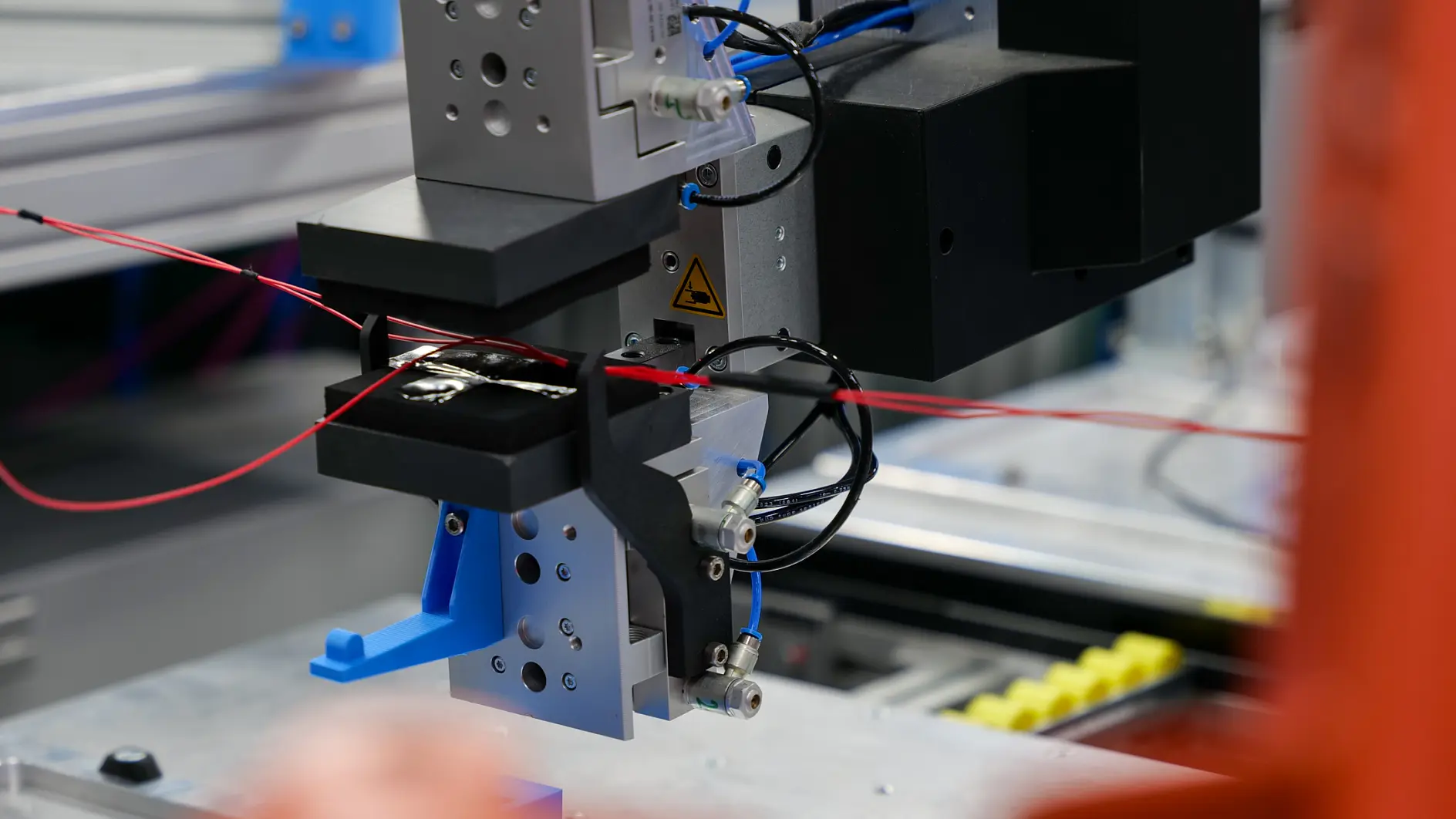
A single wire harness can contain up to 1,500 individual wires. To prevent rattling and damage, these bundles are traditionally taped by hand in best‑cost countries before being transported over long distances to OEM assembly plants. This approach increases costs and creates avoidable logistics‑related CO₂ emissions.
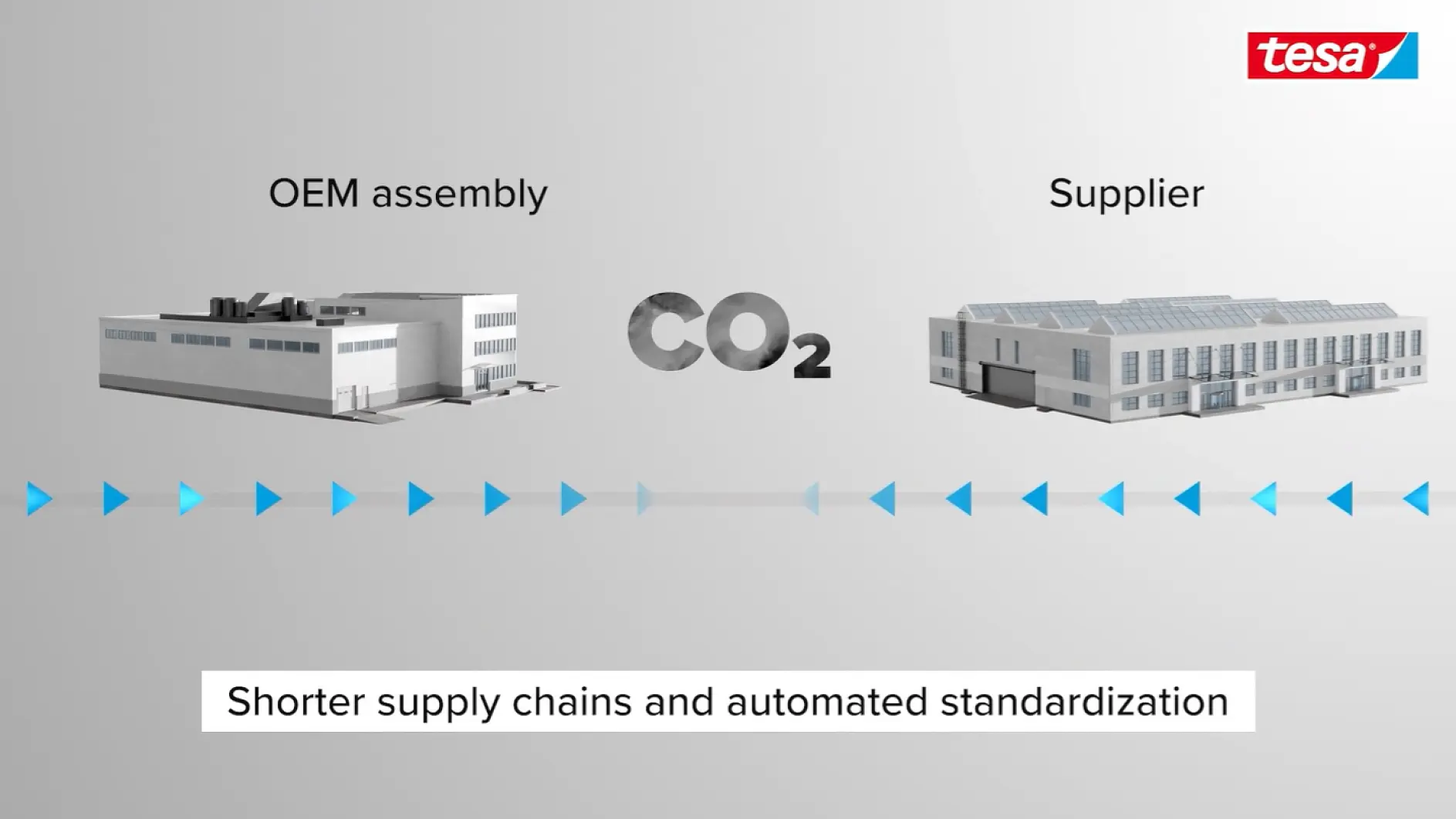
Reducing logistics-related emissions by relocating processes

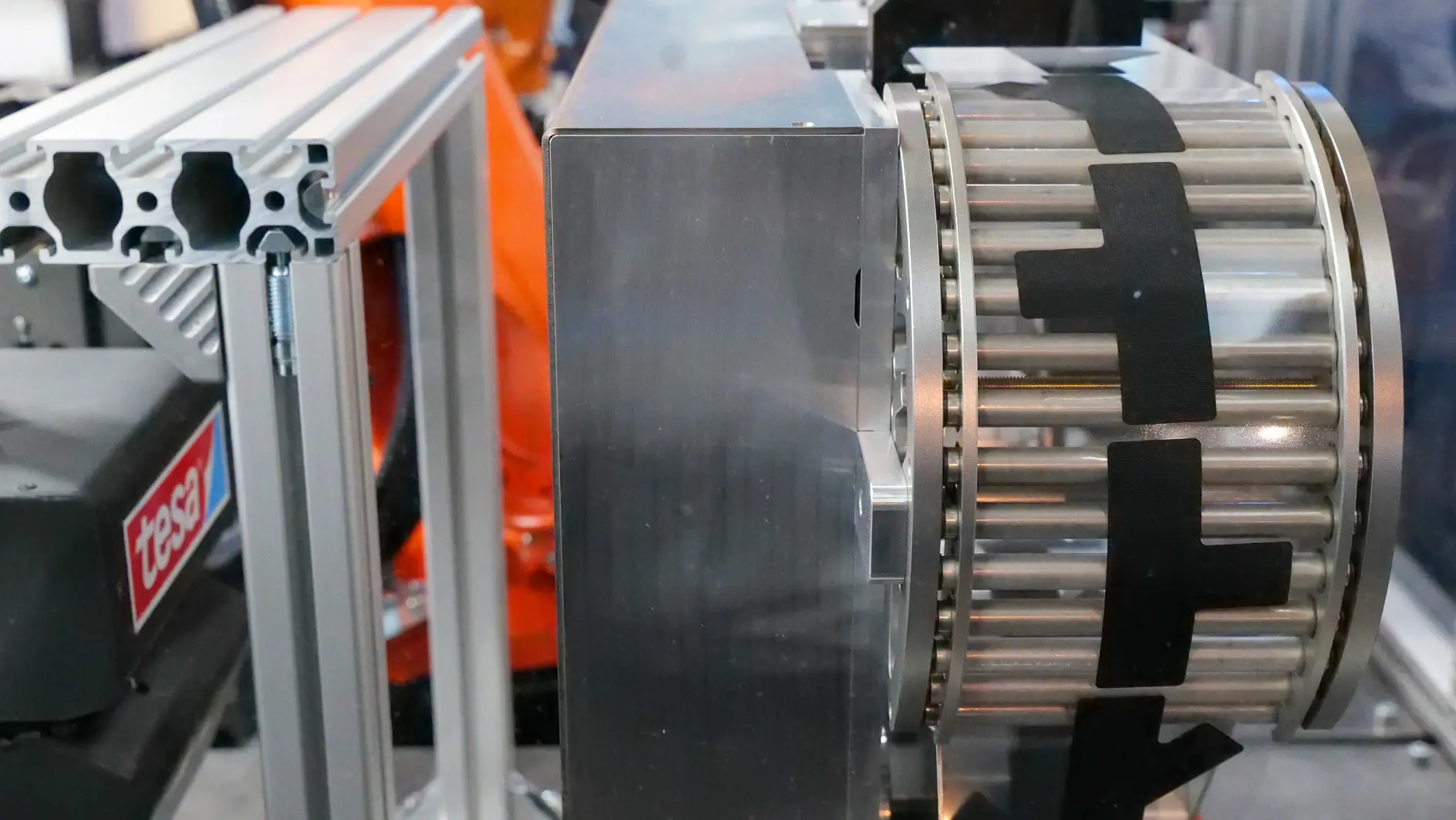
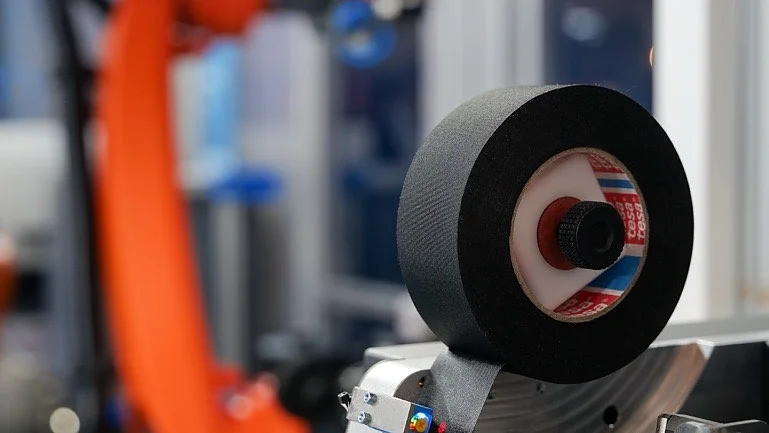
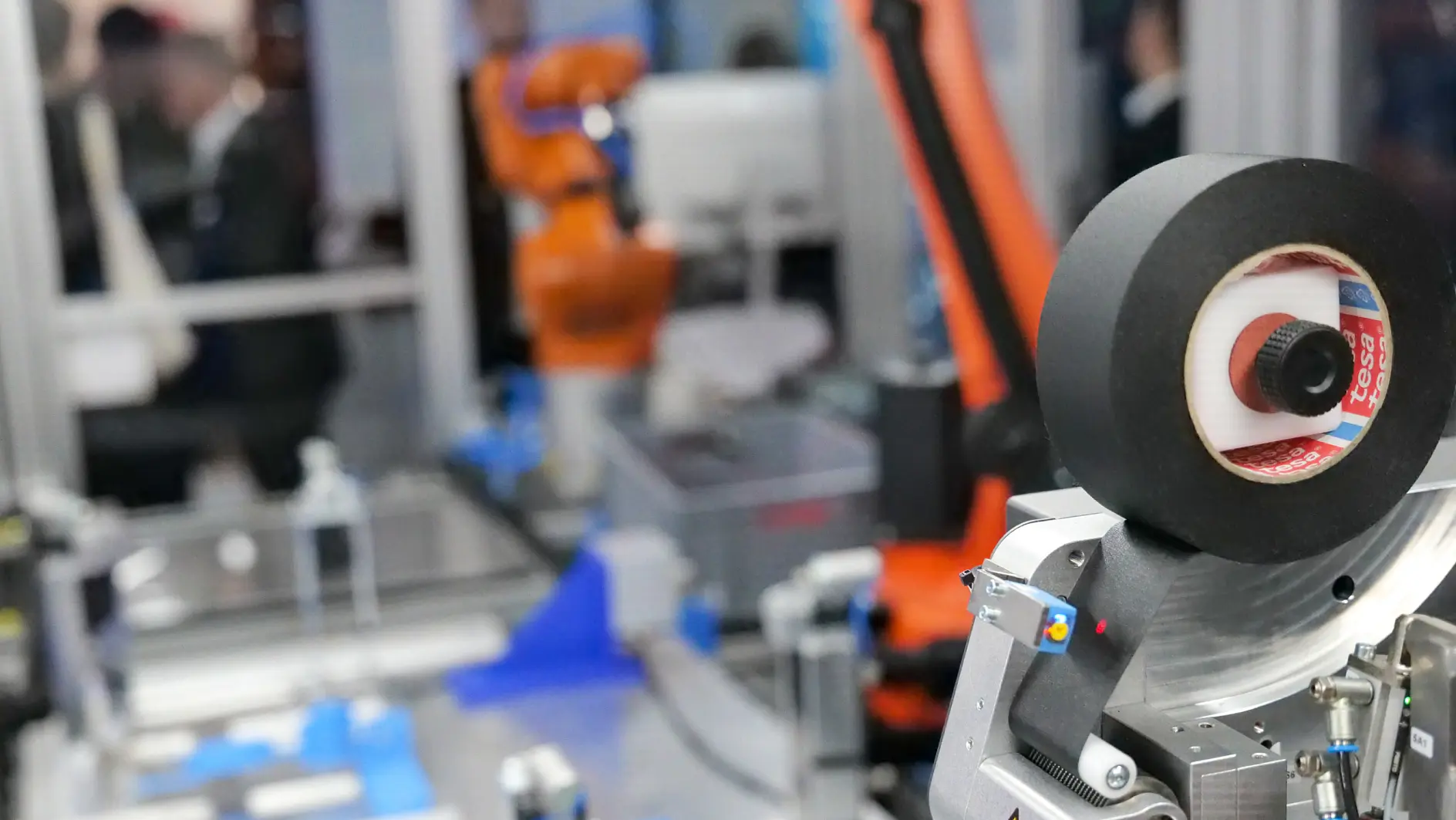
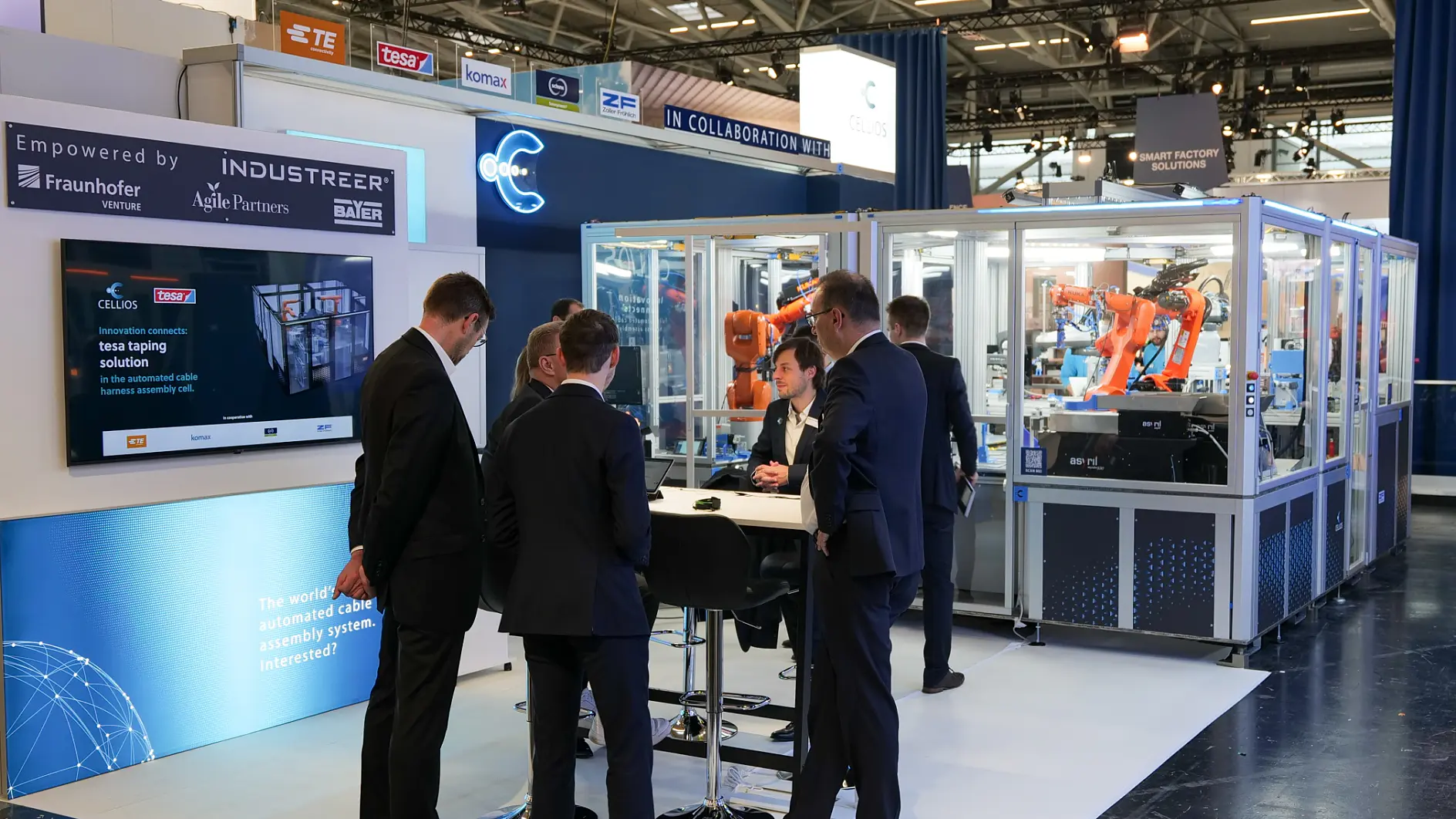
Our automation‑ready solutions enable wire harness production processes to be relocated closer to OEM manufacturing sites, significantly reducing transport‑related CO₂ emissions.

“I’m proud of what we’ve achieved together with tesa. Through collaboration, we’re showing that our industry has the power to drive change toward a more sustainable world.”
Arik Lämmle

CEO and Co-Founder of Cellios

tesa electric car driving on rural road under cloudy sky with trees in background (This text has been generated by AI)

Maximizing sustainability and minimizing costs

Right now, companies at every step in the global automotive value chain are seeking innovative ways of adapting their production processes. By embracing automation, manufacturers can reduce material and labor costs while simultaneously advancing their sustainability objectives. At tesa, our expert teams are partnering with players across this sector to unlock automation concepts that boost cost-saving and shrink CO2 footprints by shortening logistics routes.