tesa® IZOLÁCIA Reflektívna Fólia
Reflexná izolačná fólia tesa® je efektívnym riešením pre izoláciu steny za vašim radiátorom. Znižuje stratu tepla, čím zlepšuje váš životný prostredie. Jednoduchá inštalácia.
- Ohrievací fóliový materiál s hliníkovou vrstvou vyrobený z polyetylénovej peny
- Efektívne využíva teplo radiátora
- Jednoduchá inštalácia za radiátor
Podrobnosti o produkte
Opis produktu
Opis produktu
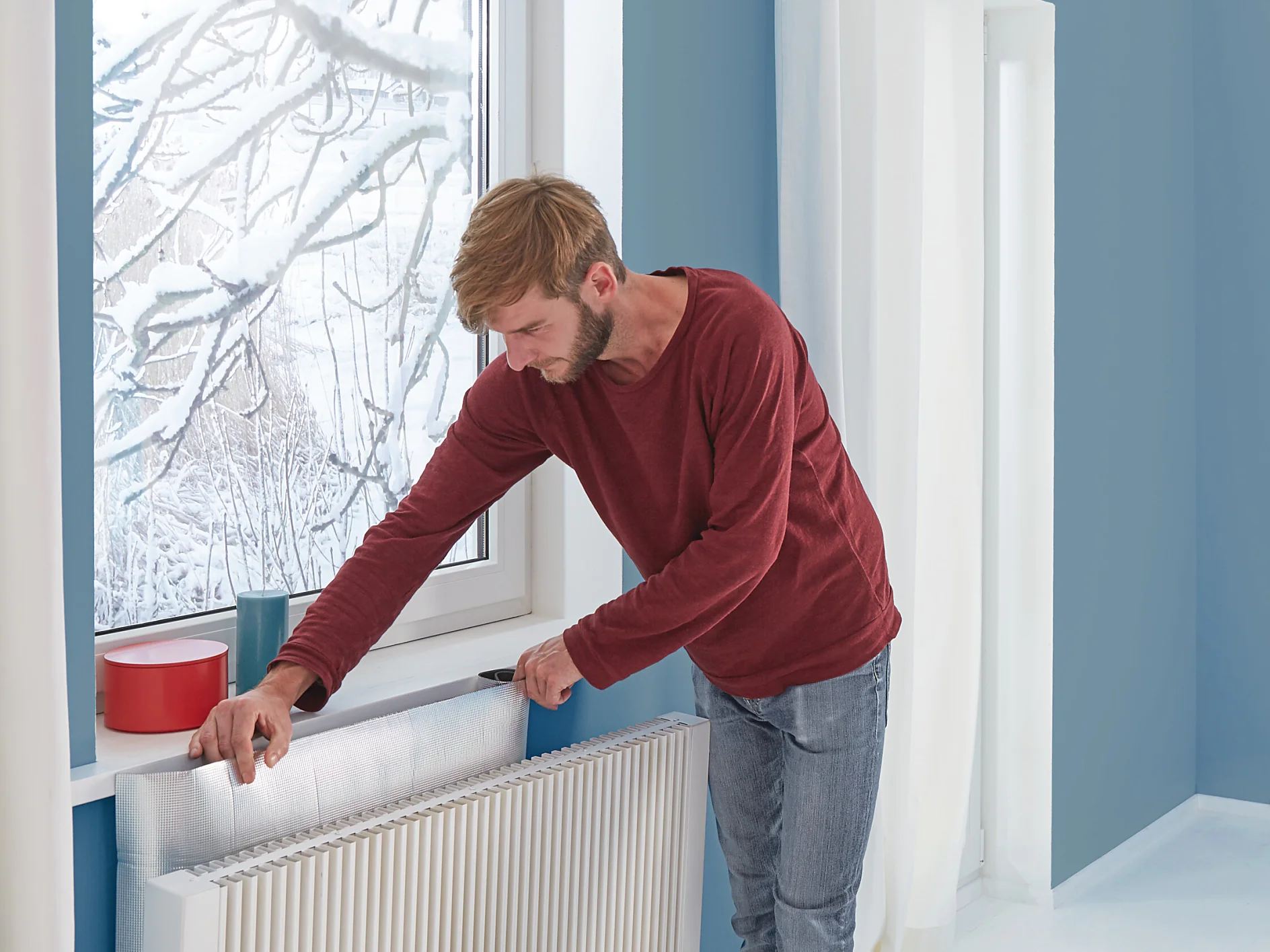
tesa® IZOLÁCIA Reflektujúca Fólia je vaším riešením pre efektívne využitie radiátorov. Zabraňuje strate tepla do steny a vytvára príjemné klima v miestnosti. Inštalácia je jednoduchá: zmerajte rozmery, orežte fóliu a vložte ju za radiátor. S touto fóliou môžete zlepšiť atmosféru vo vašom obývacom priestore. Pozor: Neprichytávajte na stenu ani na ňu nemalujte!
Ďalšie informácie o produkte
- Ohrievací fóliový materiál s hliníkovou vrstvou vyrobený z polyetylénovej peny
- Efektívne využíva teplo radiátora
- Jednoduchá inštalácia za radiátor
- Môže byť orezaný na akúkoľvek veľkosť
- Nie sú potrebné žiadne upevňovacie prvky
- Vhodné pre teploty až do +70°C
- Hrúbka 3 mm
Súvisiace výrobky
FAQs
What temperature range can the tesamoll® HEAT REFLECTOR be operated in?
The tesamoll® HEAT REFLECTOR can be used with temperatures up to +70°C. This makes it a perfect energy-saving add-on for just about any modern radiator-based heating system.
When does mold form behind the radiator reflection foil?
Mold can form if the radiator reflection foil is directly against the wall. Then the air behind it cannot circulate properly, and mold appears. For this reason, you do not need any fastening materials for our radiator reflection foil.
Can the tesamoll® HEAT REFLECTOR be cut to size and how is it attached to the wall?
The tesamoll® HEAT REFLECTOR can easily cut to the desired dimensions with either a knife or scissors. Simply push it into position behind the heater. To avoid mould from developing between the reflector and the wall, do not fix it with nails or any adhesive.
How does a reflection foil work?
On one side, the aluminum coating of the reflection foil ensures that the heat from the radiator is reflected into the room. On the other side, the polyethylene foam prevents cold air from entering the room. The reflection foil acts both as insulation and as a barrier. Heat often escapes through the wall directly behind the radiator. Here, the radiator reflection foil offers an effective and simple alternative to extensive renovation.
How can multiple tesamoll® HEAT REFLECTORs be joined?
Multiple tesamoll® HEAT REFLECTORs sheets can be joined with a suitable adhesive tape. We recommend the use of tesa® Extra Power Extreme Outdoor. However, to avoid mould from developing between the reflector and the wall, the reflectors should not be stuck to the wall with any adhesive tape.
How to install radiator reflection foil?
You can easily install your radiator reflection foil in just three steps. First, measure the width of the radiator and the position of the brackets. Then you can cut the reflection foil to size and slide it behind the radiator. This way, heating costs can be reduced quickly.
How can the tesamoll® HEAT REFLECTOR be attached?
Radiators are usually mounted against the wall immediately below a window. Due to their closeness to the wall, they do not only heat up the ambient air by means of convection and direct radiation. Especially the heat radiated towards the back of the radiator is also absorbed by the wall and therefore will not contribute to heating the room. The tesamoll® HEAT REFLECTOR insulates the wall immediately behind the radiator, while its aluminium coating refects the heat back into the room. As a result, less heat gets lost and the radiator works considerably more efficiently.
WHAT YOU NEED:
- Yardstick
- Scissors
- tesamoll® HEAT REFLECTOR for radiators
What material does the tesamoll® HEAT REFLECTOR consist of?
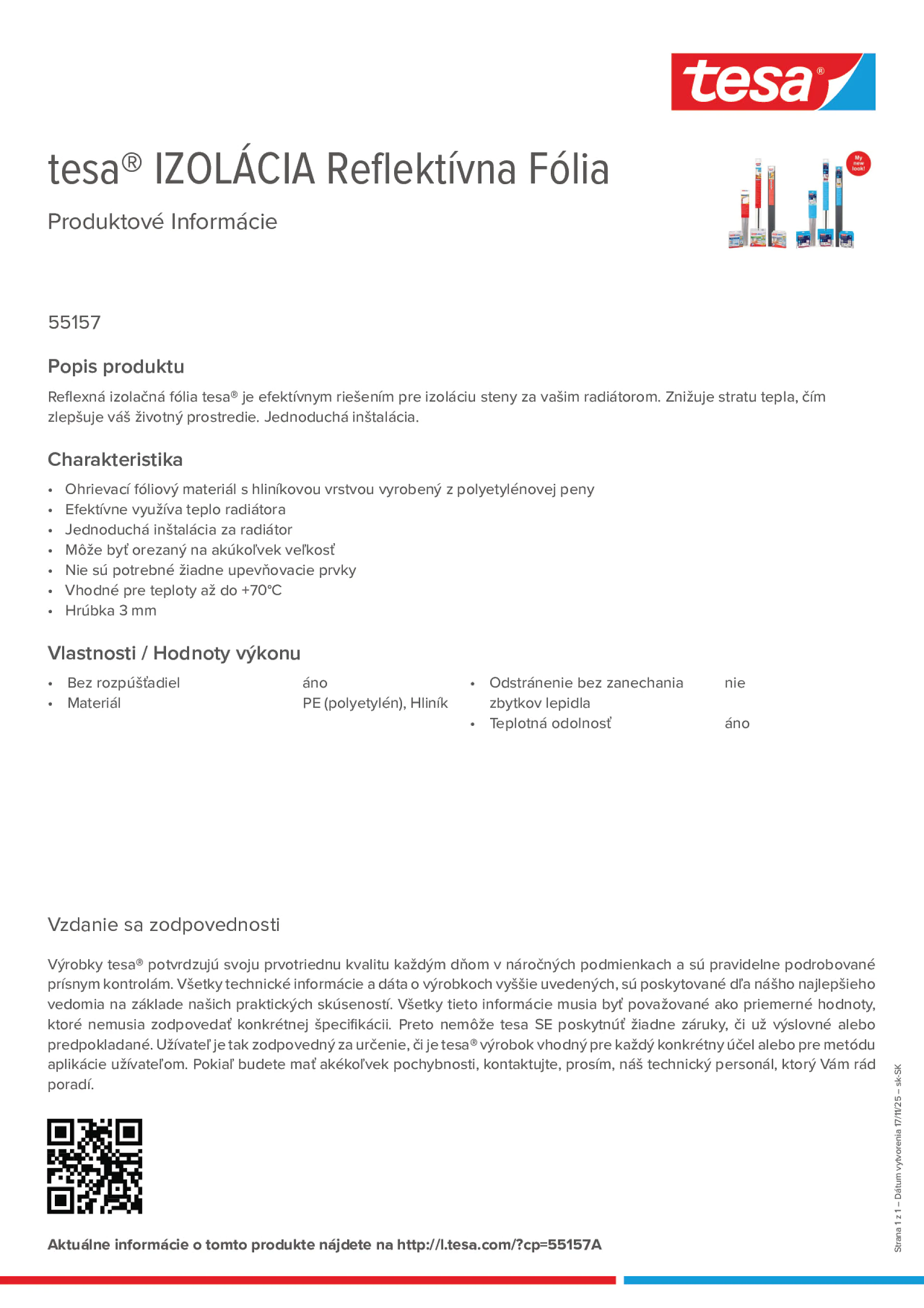
The tesamoll® HEAT REFLECTOR is made of an age-resistant aluminum-coated Polyethylene foam with a thickness of app. 3 mm.
How does the tesamoll® HEAT REFLECTOR work?
The tesamoll® HEAT REFLECTOR is a foam with aluminum coating designed to be placed behind radiators. It serves to reflect the heat generated by the radiator into the room instead of allowing it to be absorbed by the wall.
When is insulation of the radiator niche useful?
Especially in radiator niches, as found mainly in old buildings, a reflection foil can be useful. Often the outer wall is poorly insulated here, and much of the heat is lost directly. A reflection foil reflects the heat into the room and prevents cold air from entering through the wall.
Is it possible to paint the aluminum coating of the tesamoll® HEAT REFLECTOR?
The aluminum lamination of the tesamoll® HEAT REFLECTOR serves to reflect the heat of the radiator. It should therefore never be coated with any kind of paint.
Naposledy aktualizované dňa 14. 9. 2026