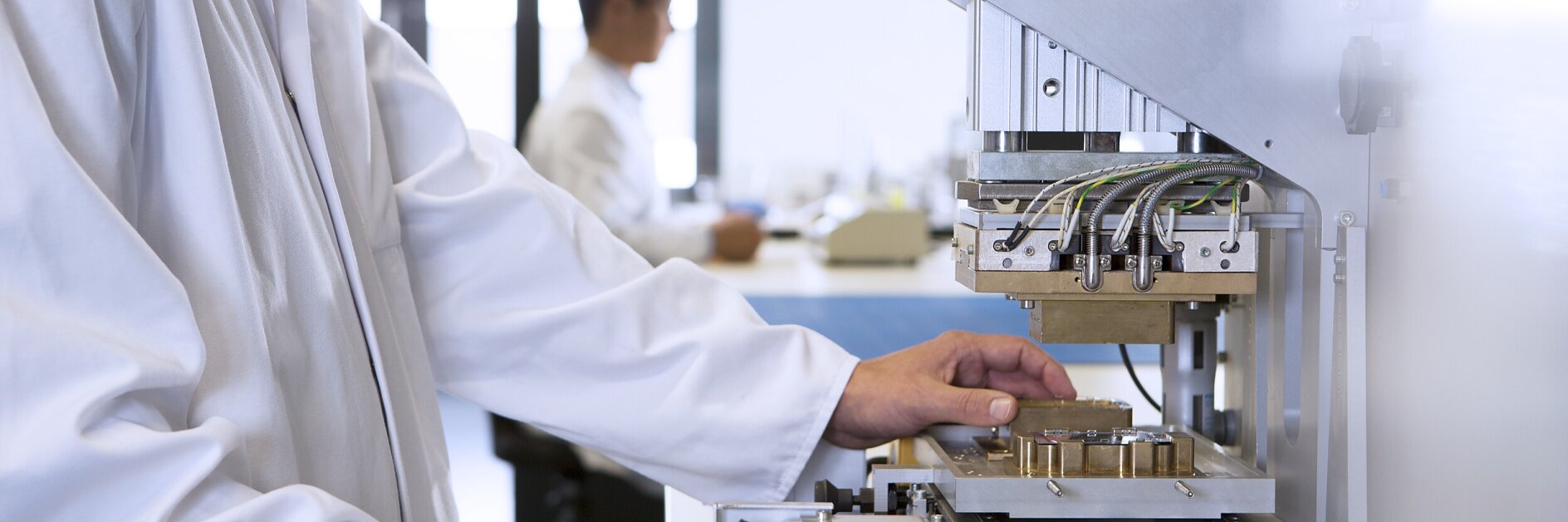
Heat activated adhesive tape for high-strength bonding

Quick overview
- Heat activated adhesive tapes are thermoreactive adhesive film systems designed for permanent, high-strength structural bonding in demanding industrial applications.
- The tapes remain non-tacky at room temperature and activate through heat and pressure, creating durable bonds with high mechanical stability and long-term reliability.
- They provide excellent resistance to chemicals, oils, fuels, UV exposure, aging, temperature extremes, and continuous mechanical stress.
- Typical applications include electronics assembly, automotive components, electric motors, friction materials, and structural bonding where precise and durable performance is required.
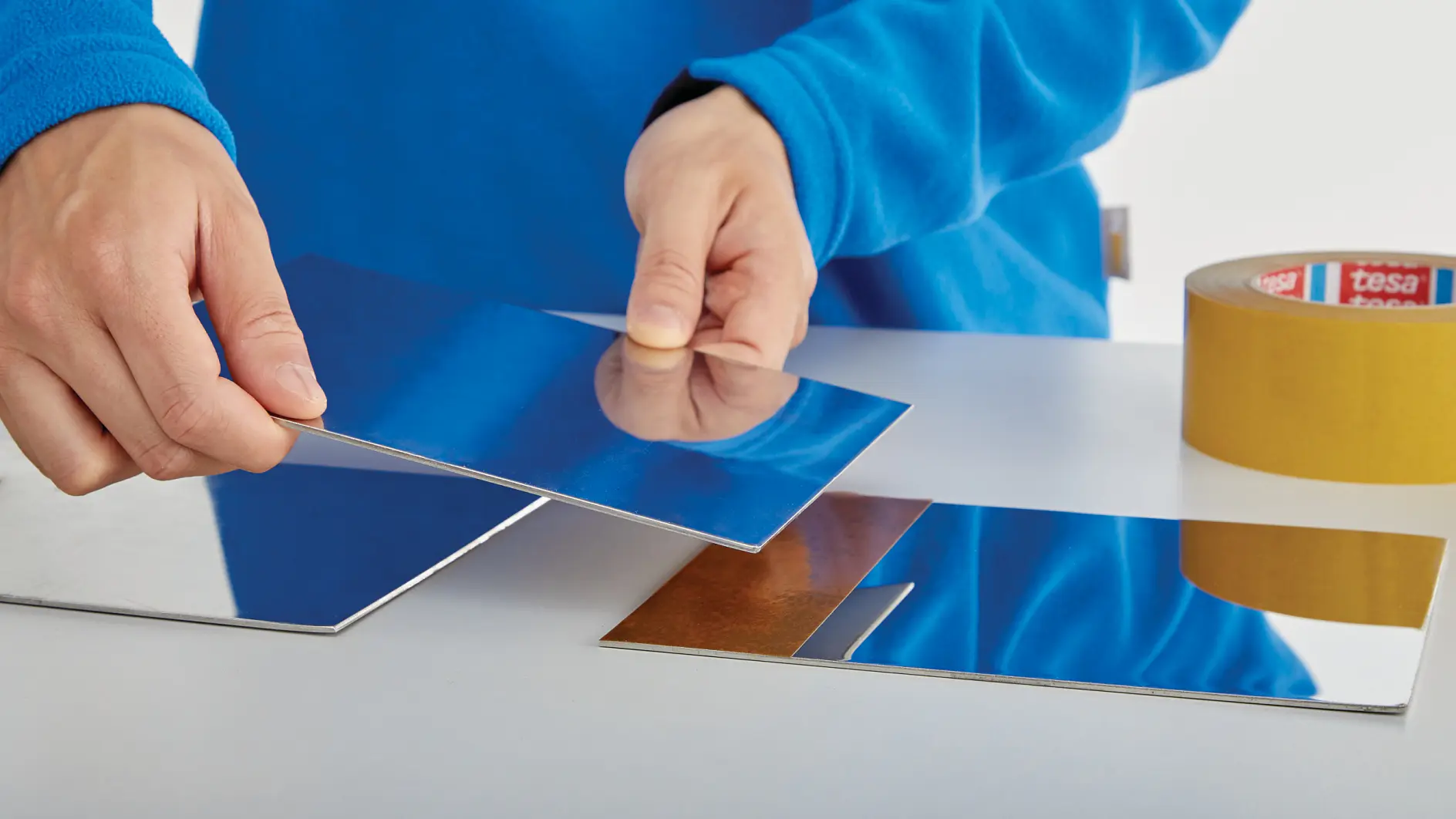
Heat activated adhesive tape is a thermoreactive adhesive film system designed for permanent, high-strength bonding. The film is non-tacky at room temperature, allowing clean handling and precise positioning. Activation occurs only through heat and pressure starting at approximately 120 °C, triggering an irreversible cross-linking reaction between nitrile rubber and phenolic resin. The result is a mechanically stable, long-lasting bond that performs reliably even under extreme industrial conditions.
Once fully cured, heat activated adhesive tape achieves bonding strengths of up to 30 N/mm² and withstands temperatures of up to 350 °C. This makes it a structural adhesive solution offering exceptional chemical resistance, temperature stability, and long-term durability — even under continuous mechanical stress.
Thanks to its thin design and even stress distribution, our heat activated adhesive tape, tesa® HAF, supports innovative lightweight concepts in the automotive, electronics, and industrial manufacturing sectors.
Why choose heat activated adhesive tape
Our heat activated adhesive tape stands for uncompromising structural performance. Its thermosetting chemistry creates bonds that resist oil, fuels, solvents, and aggressive chemicals, making it particularly suitable for powertrain, automotive, electronics, and high-load environments. After curing, the adhesive layer provides outstanding resistance to aging, UV exposure, and extreme temperatures, ensuring long-term reliability under continuous mechanical stress.
Unlike liquid adhesives, tesa® HAF ensures a defined and uniform adhesive thickness, eliminating oozing and contamination of machinery. The film format allows clean die-cutting and automated processing, and production steps can be decoupled: adhesive application can occur at one stage, with thermal activation performed later in the process chain. Once fully cured, the heat activated film does not revert to its original state when re-exposed to heat.
Compared to mechanical fixation methods, tesa® HAF prevents corrosion, reduces vibration fatigue, and distributes stress evenly across the bonded surface. Compared to conventional double-sided tapes, it offers significantly higher shear strength and structural reliability under dynamic loads.
By enabling thin, lightweight designs and precise stress distribution across bonded surfaces, heat activated adhesive tape supports next-generation product concepts while maintaining exceptional chemical resistance, temperature stability, and long-term durability.


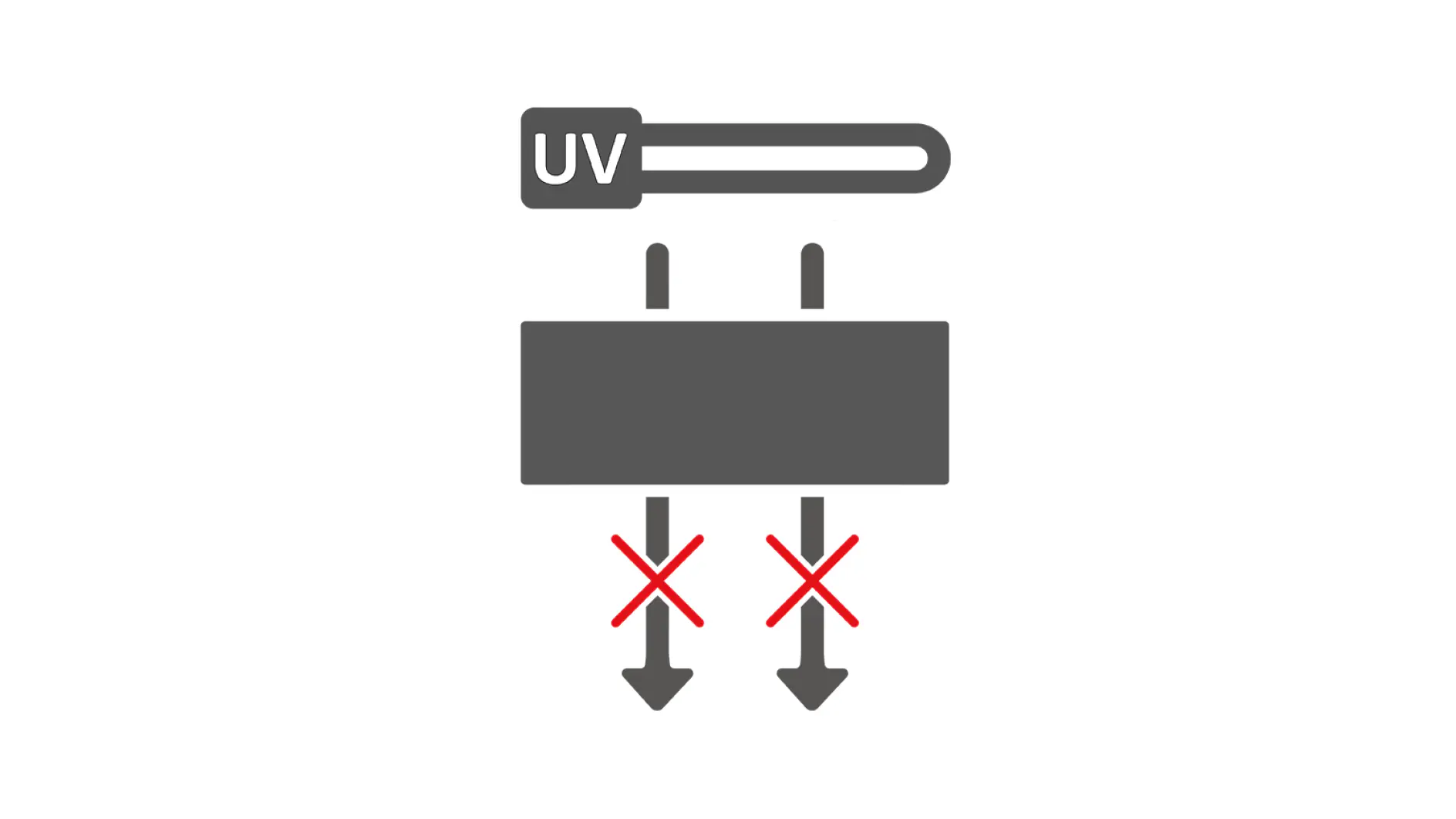



Applications of heat activated adhesive tape
Heat activated adhesive tape has been specifically developed to meet the highest bonding requirements in demanding industrial environments. It is widely used in the electronics and automotive industries, where reliable, durable, and high-strength bonds are essential. At the same time, its performance characteristics make it suitable for many other industrial sectors that require precise and robust bonding solutions. Across all applications, heat activated adhesive tape proves its value wherever resilience, chemical stability, and structural strength are critical. Our technical experts provide not only product consulting but also on-site support. Upon request, we perform customer-specific analyses and evaluations in our research center.
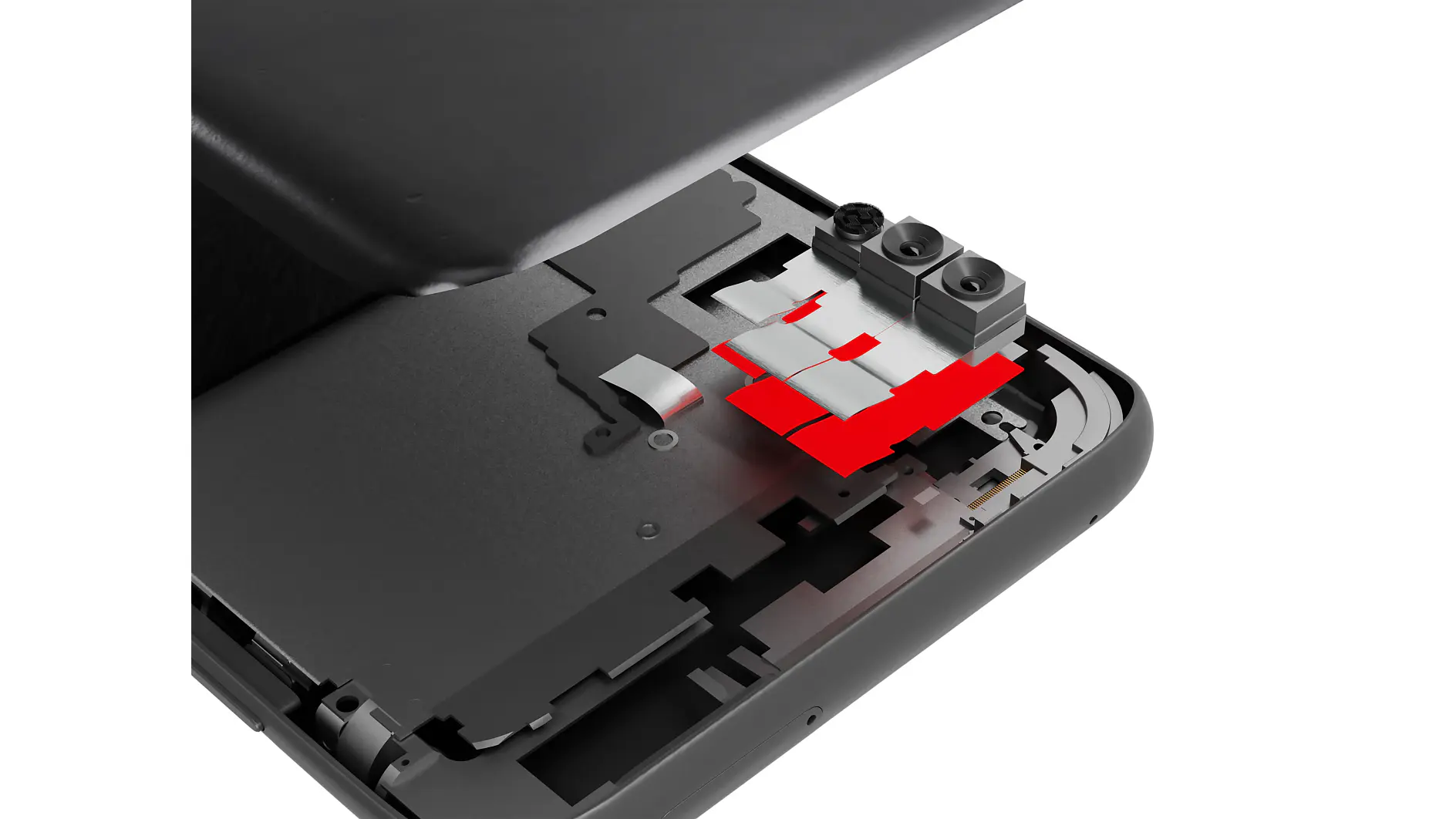
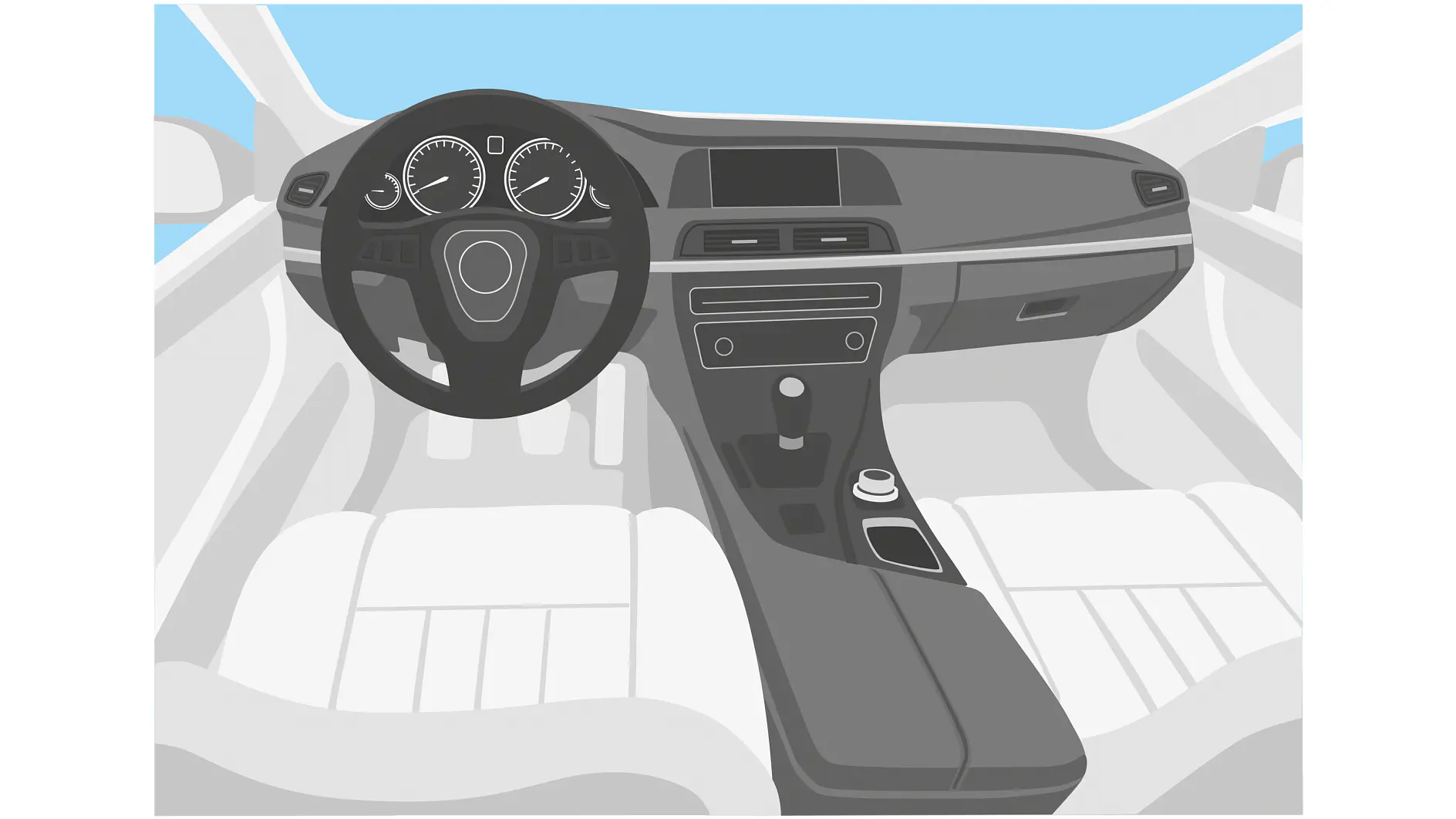

Heat activated adhesive solutions for high-strength structural bonding
Best for: Heat activated adhesive tapes are designed for applications that require permanent, high-strength bonding under demanding operating conditions. They support automotive, electronics, and industrial manufacturing processes where chemical resistance, temperature stability, and structural reliability are critical.
Why they perform
- High structural bonding strength
- Excellent oil and chemical resistance
- High temperature resistance
- Strong resistance to aging and UV exposure
- Uniform and precise bond-line thickness
- Suitable for die-cutting and automated processing
Typical applications
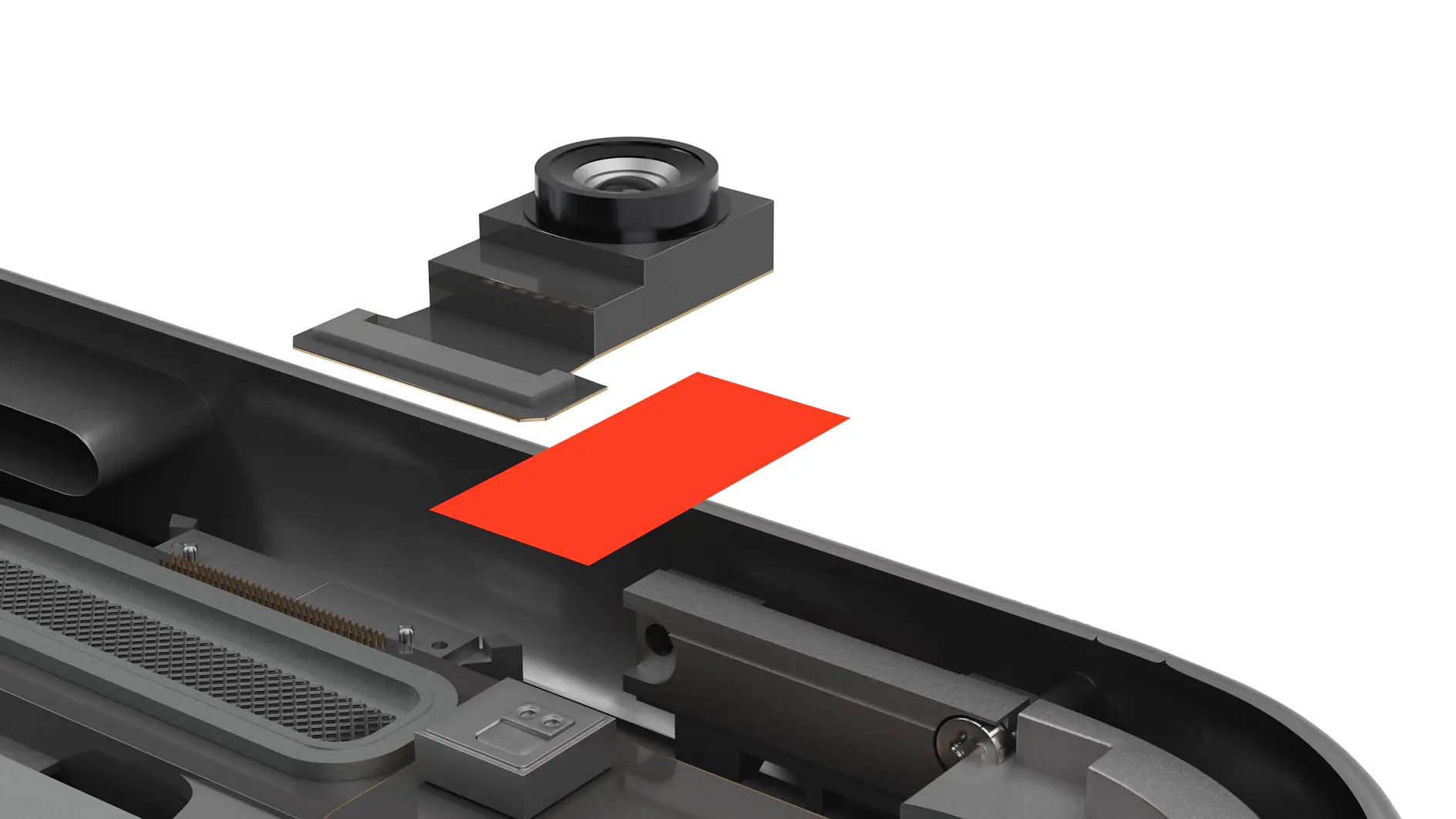
- Component and FPC mounting
- Cover lens mounting
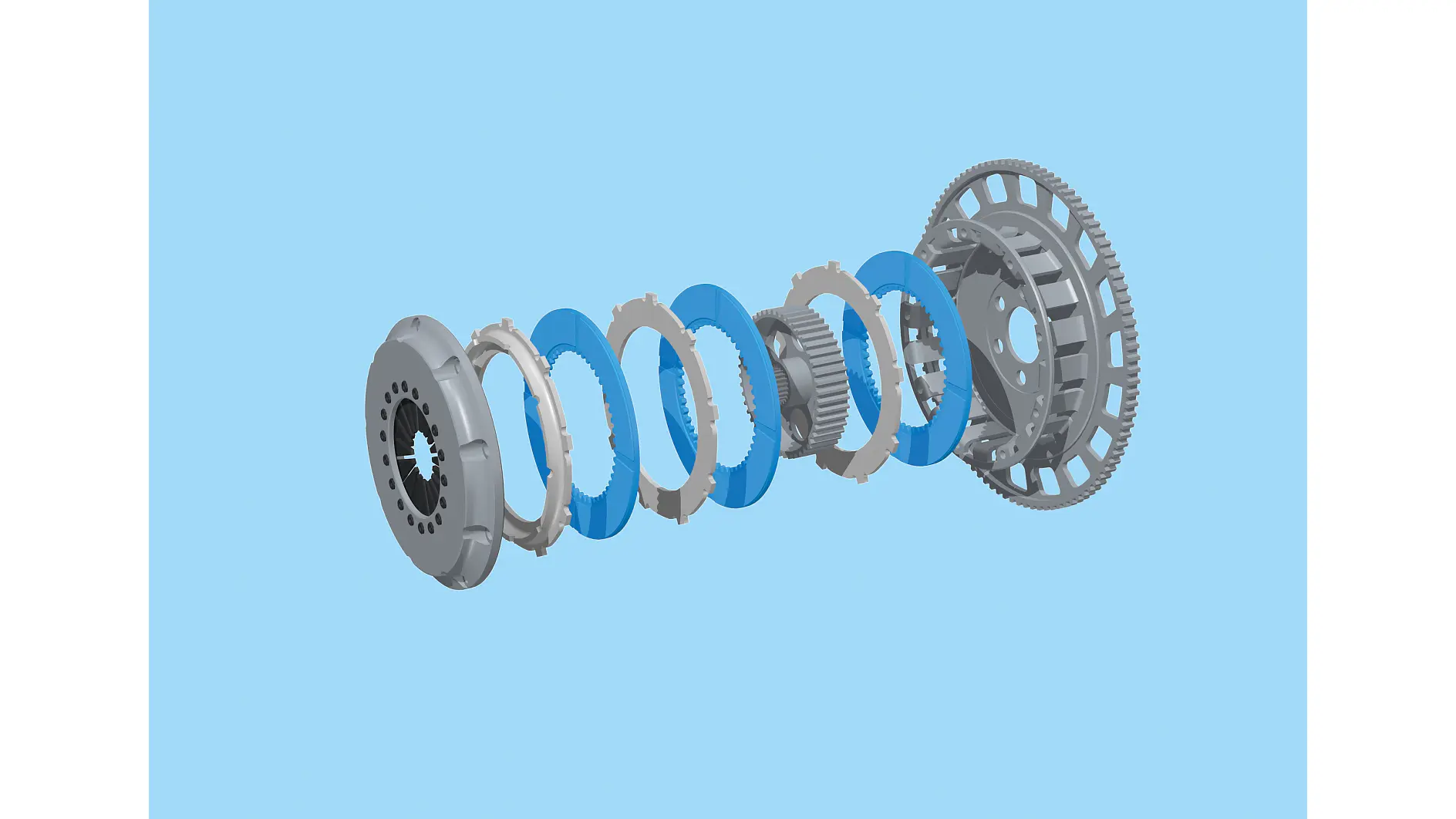
- Bonding friction materials
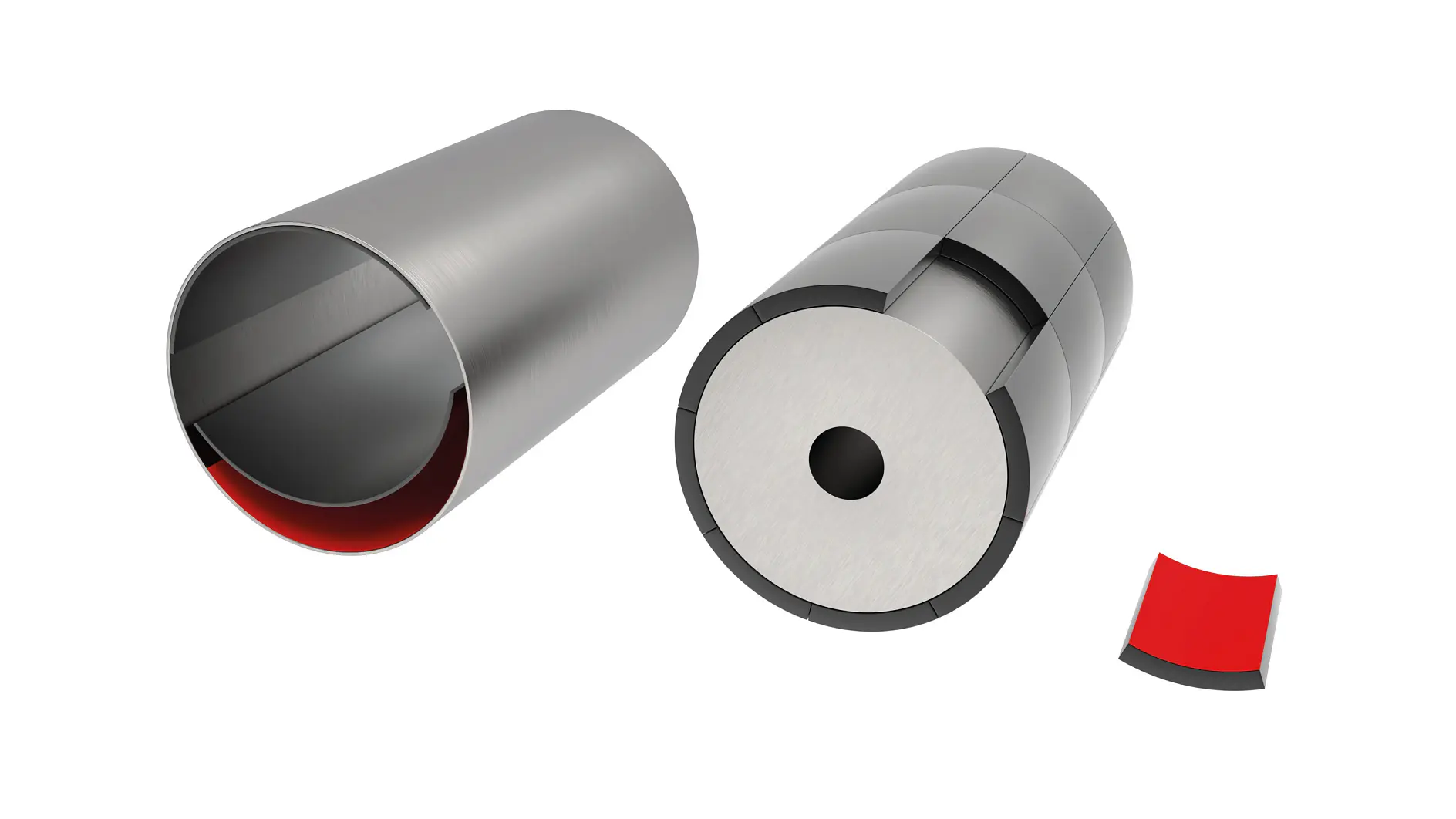
- Bonding magnets to electric motor rotors
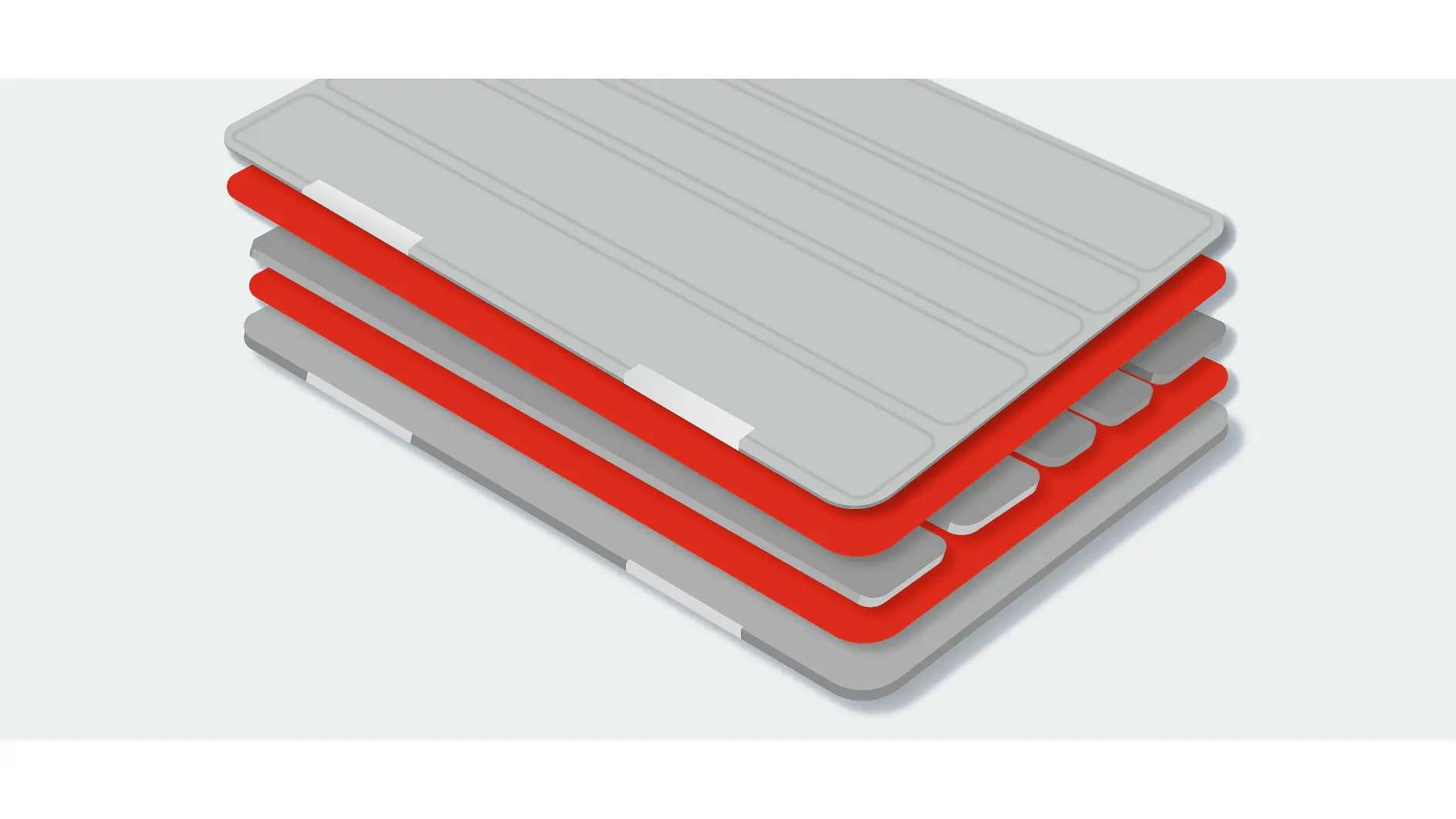
- Bonding leather to spacer fabrics
Performance takeaway: Heat activated adhesive tapes deliver durable structural bonds with excellent chemical, thermal, and mechanical resistance for demanding industrial applications.
Application process of heat activated adhesive tape
For the application of heat activated adhesive tape, precise control of the processing parameters is essential to ensure reliable and reproducible bonding results. The interaction between time, temperature, and applied pressure has a direct impact on the cross-linking reaction and therefore on the final bond performance.
By increasing the bonding temperature, the overall process time can be significantly reduced, as the thermosetting reaction is accelerated. However, temperature adjustments must always be balanced with the appropriate pressure settings. For reactive tesa® HAF in particular, it is important to increase the applied pressure when working at higher temperatures in order to prevent bubbling and ensure a homogeneous adhesive layer without voids.
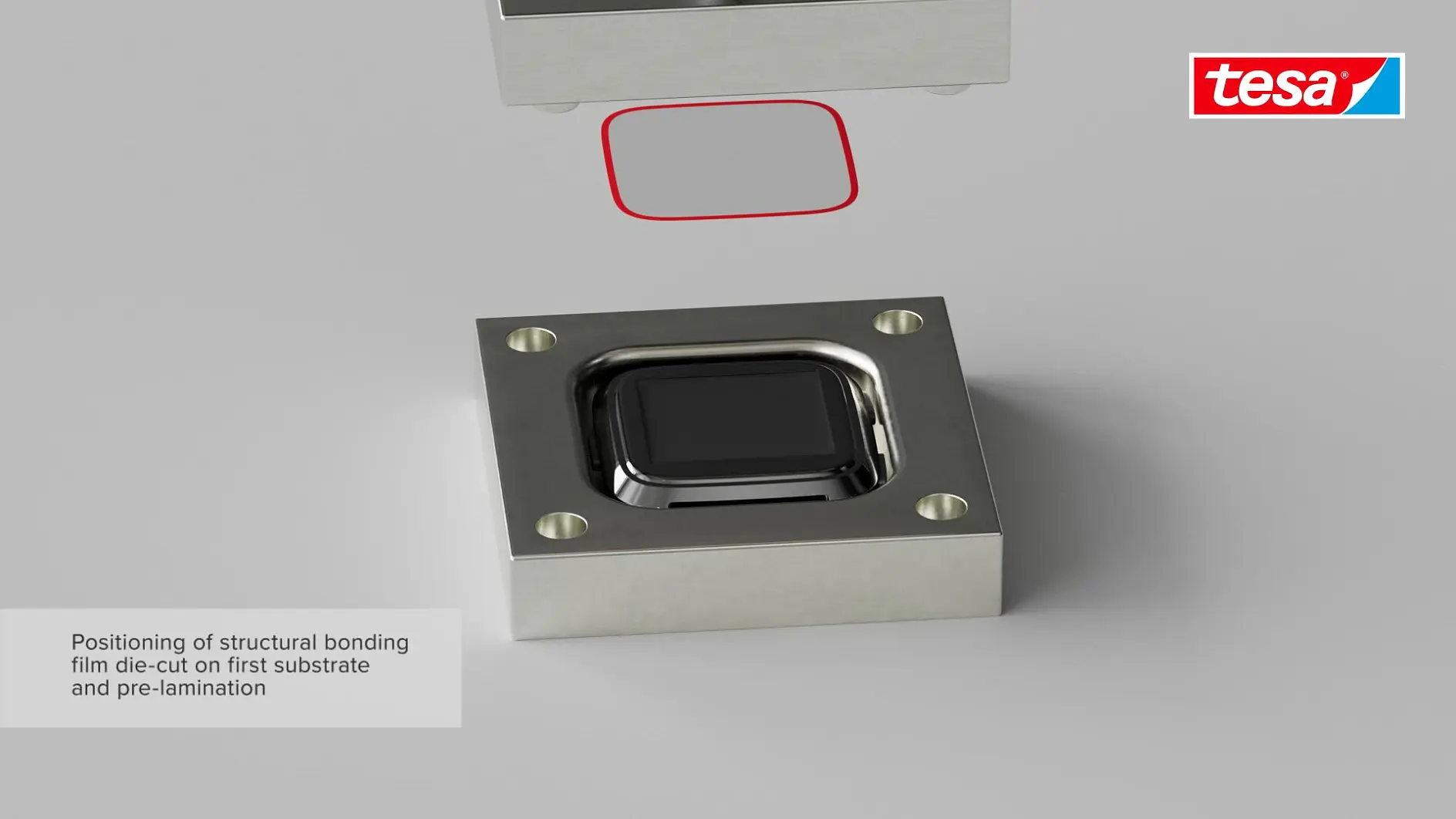
A typical process begins with the pre-lamination of tesa® HAF onto one substrate. After removing the liner, the second substrate is positioned precisely. Bonding is then carried out using a heat press, where defined temperature, pressure, and dwell time parameters are applied. Depending on the application, an optional post-curing step without pressure at elevated temperature can further optimize the final mechanical performance.
Application process example for tesa® HAF with heat press:
Our heat activated adhesive tape assortment
The heat activated adhesive tape portfolio includes reactive adhesive film technologies for demanding industrial applications.
tesa HAF® heat-activated films provide extremely strong structural bonds through thermosetting cross-linking activated above 120°C. Available in thicknesses from 30 µm to 270 µm, they enable reliable bonding for electronic components and e-mobility applications.
tesa® LTR and tesa® LTC low-temperature reactive films are designed for temperature-sensitive processes, with cross-linking starting above 75°C for efficient bonding at moderate activation temperatures.
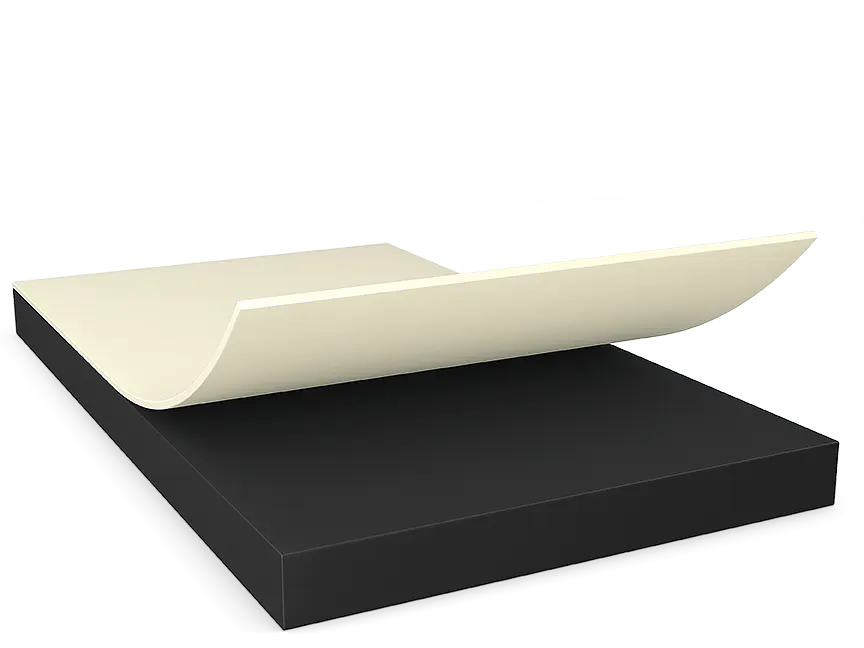
tesa® HAF 58474 is a high-performance, heat activated adhesive tape based on phenolic resin and nitrile rubber. It is designed for reliable and durable bonds, even on small bonding areas and narrow design gaps. Typical applications include structural bonding in electronic devices, FPC bonding, button fixation, camera lens and bezel mounting, and the attachment of decorative metal components.
Key features:
- Excellent long-term performance with very low oozing and high resistance to mechanical stress
- Activated during assembly by applying heat and pressure, creating strong and ageing-resistant bonds
- Particularly suitable for bonding metal components to metal surfaces or heat-resistant plastics such as PI, PMMA, or ABS
All products are developed to meet the highest industrial standards and are supported by comprehensive technical documentation and expert application guidance.

Reach out to our experts

FAQs
At what temperature is tesa® HAF activated?
tesa® HAF heat activated adhesive tape begins curing at temperatures above 120°C. Typical bonding temperatures range between 180°C and 230°C, depending on substrates and process requirements. At these temperatures, the thermosetting reaction forms a permanent structural bond. Higher temperatures can reduce process time, provided pressure is adjusted accordingly to ensure a void-free and homogeneous adhesive layer.
What is heat activated adhesive tape?
Heat activated adhesive tape is a reactive adhesive system that forms a permanent bond only when heat and pressure are applied. Unlike pressure-sensitive tapes, it remains non-tacky at room temperature, allowing precise positioning before activation.
In the case of tesa® HAF, heat triggers an irreversible thermosetting cross-linking reaction within a nitrile rubber and phenolic resin system. This creates a highly durable structural bond with excellent mechanical strength, chemical resistance, and long-term stability under demanding conditions.
Is tesa® HAF suitable for automated production?
Yes. Because tesa® HAF is non-tacky before activation, it enables clean handling, die cutting, and precise pre-lamination in automated manufacturing environments.
The film format ensures defined adhesive thickness and consistent bonding results, making it ideal for scalable structural bonding processes.
What makes tesa® HAF different from conventional double-sided tape?
Unlike conventional double-sided adhesive tapes, which rely on surface adhesion, tesa® HAF forms a structural bond through chemical cross-linking. This results in significantly higher shear strength and superior resistance to oil, solvents, aging, and high temperatures.
With bonding strengths of up to 30 N/mm² after curing, tesa® HAF heat activated adhesive tape delivers performance comparable to high-performance liquid adhesives while offering cleaner and more precise processing.