

tesa solutions for the furniture industry

Furniture tape:
efficiency meets design

Black lowercase letter "i" centered inside two concentric black circles on a white background, symbolizing information. (This text has been generated by AI)

Quick overview

  • Furniture tapes support furniture manufacturing and assembly processes by helping join components such as mirrors, decorative elements, glass parts, and back walls.
  • They provide strong bonding, removability, moisture protection, vibration absorption, and resistance to humidity, chemicals, and UV exposure.
  • Different tape solutions can be selected depending on the materials and application requirements, including foam tapes, filmic tapes, and transparent adhesive solutions.
  • Common applications include mirror mounting, decorative element mounting, glass element mounting, and splicing furniture back walls.

Furniture is a significant part of every household. All of the different pieces have a thing in common: you need furniture tape to put all the elements together. Discover what we at tesa offer for various application areas.

Benefits

Important tape features for furniture should possess:

A gray rectangular shape with a narrower dark gray section in the middle. An upward-pointing arrow extends from the top, and a downward-pointing arrow extends from the bottom of the shape. (This text has been generated by AI)
Strong bonding
A gray arrow pointing diagonally upwards emerges from a large, partially shaded rectangle. The rectangle is positioned vertically on the left side of the image. The design is simple and uses minimal color, featuring tesa tape as the primary adhesive element. (This text has been generated by AI)
Removability
A simple black umbrella icon with three black raindrop shapes to the upper right, indicating rain protection. (This text has been generated by AI)
Protection and seal against moisture
A black and white icon of a rectangle with jagged arrows extending from both ends, forming a circular shape above the rectangle, featuring tesa tape. (This text has been generated by AI)
Absorption of vibrations
A black and white icon of a cloud with a thermometer and a droplet containing a percentage symbol. This suggests a focus on temperature and humidity. (This text has been generated by AI)
Resistance to special circumstances like humidity, chemicals, or UV
document icon with bulleted list and folded corner on white background, representing text or notes tesa (This text has been generated by AI)

Furniture tape solutions for efficient assembly and design

Best for: Furniture tapes are designed for furniture manufacturing and assembly applications where reliable bonding, durability, and design flexibility are required. They support the installation of mirrors, glass elements, decorative components, and furniture back walls.

Why they perform

  • Strong bonding performance
  • Removability when required
  • Protection and sealing against moisture
  • Absorption of vibrations
  • Resistance to humidity, chemicals, and UV exposure
  • Long-lasting and durable bonding

Typical applications

  • Mirror mounting
  • Mounting decorative elements
  • Mounting glass elements
  • Splicing furniture back walls
  • Bonding plastic, wood, and aluminum decorative components

Performance takeaway: Furniture tapes provide durable and reliable bonding solutions that support efficient furniture assembly while helping maintain design quality and functionality.

Furniture tape products

Mirror mounting

01Mirror mounting

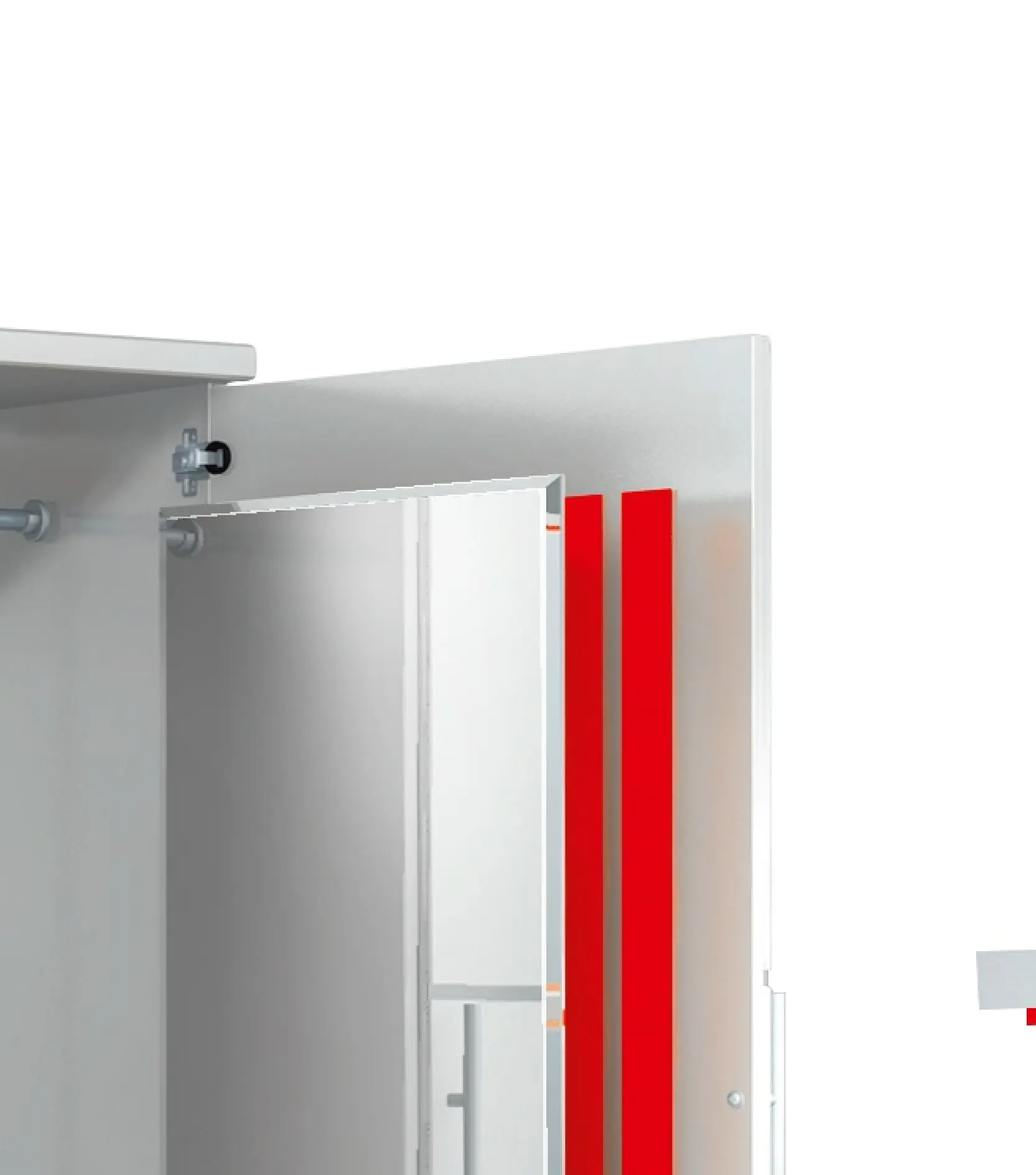
Decorative mirror panels are part of various furniture pieces. A wardrobe with a single mirror or with all the doors full of mirrors is probably the most obvious example. At tesa, we recommend double-sided foam tape as mirror mounting adhesive to bond the mirror to the underground material. One big benefit of foam tapes is the possibility to absorb vibrations. This is crucial for mirrors as they shouldn’t break during the transportation or on the wall. Foam tapes are also very strong and can hold even large mirrors. Our expertise concerning this kind of tapes goes back over 20 years, and our foam tape creates a durable and reliable bond between the different surfaces.
wooden cabinet door leaning against a white and red kitchen cabinet in an indoor setting with a white rug nearby tesa (This text has been generated by AI)

02Mounting of decorative elements

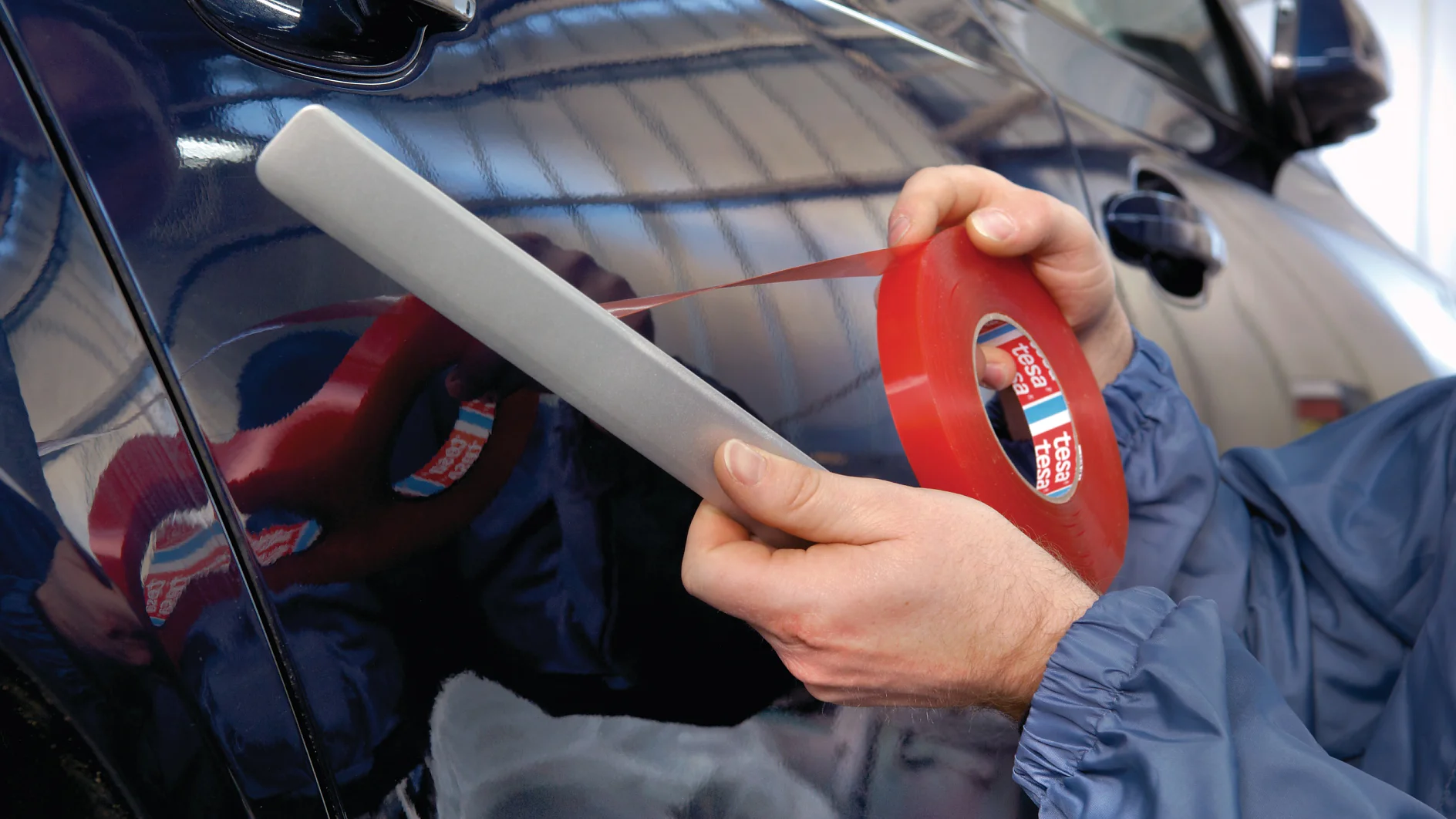
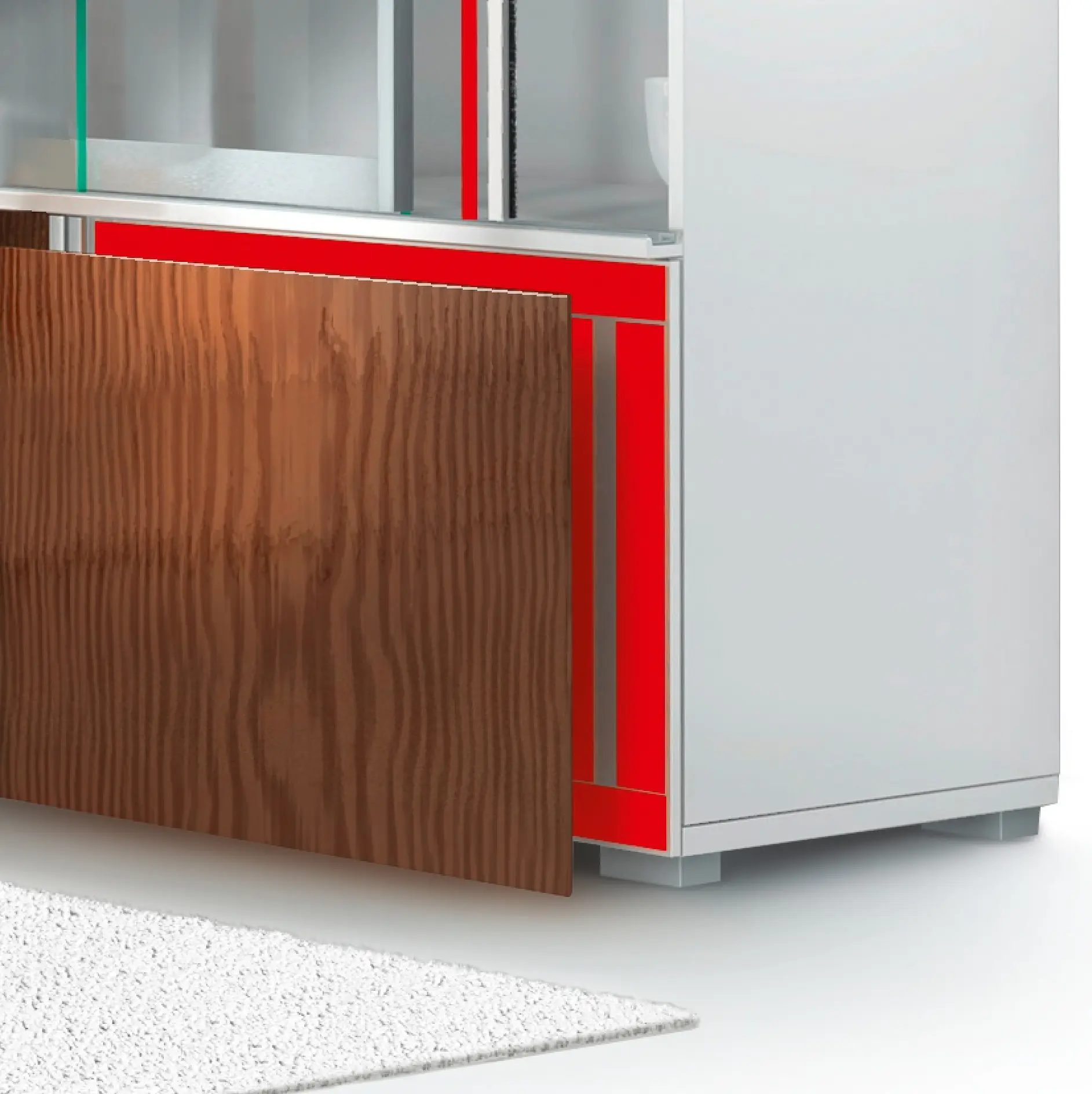
Furniture decoration creates the special design of your pieces. It sets them apart from your competition. These parts are usually made of plastic, wood, or aluminum. For easy mounting, double-sided tape is the right choice. Use thin filmic tape for smooth surfaces and thick foam tape for rough surfaces or when you need to fill in gaps.

Decorative elements

03Mounting of glass elements

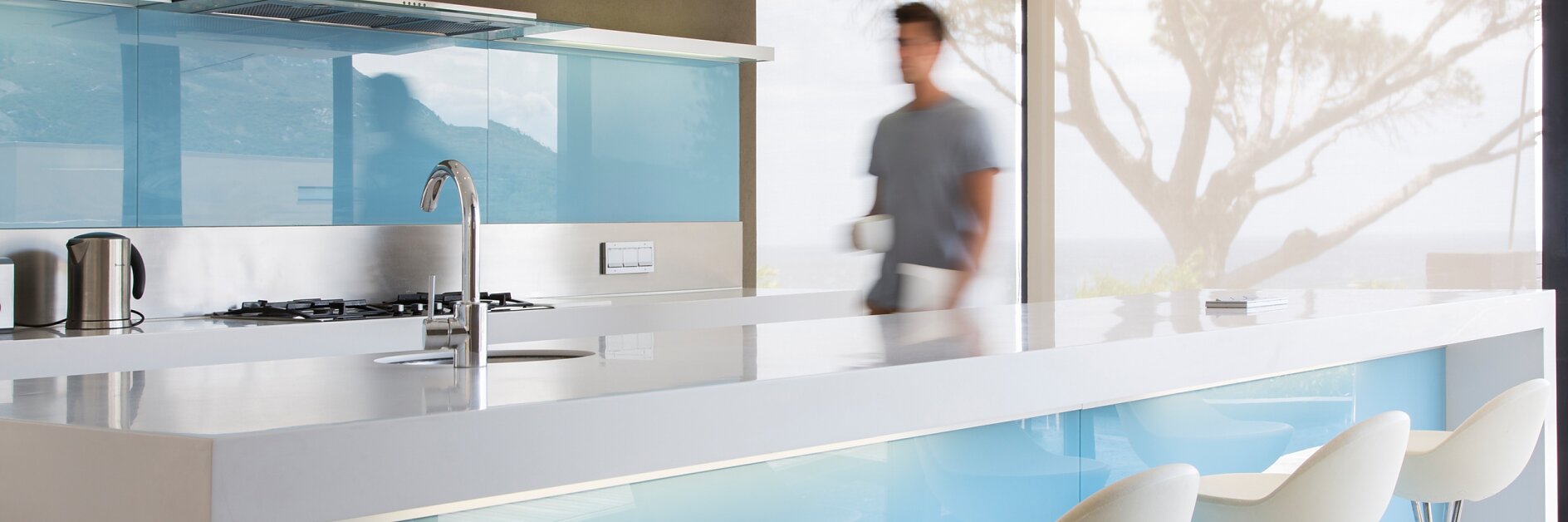
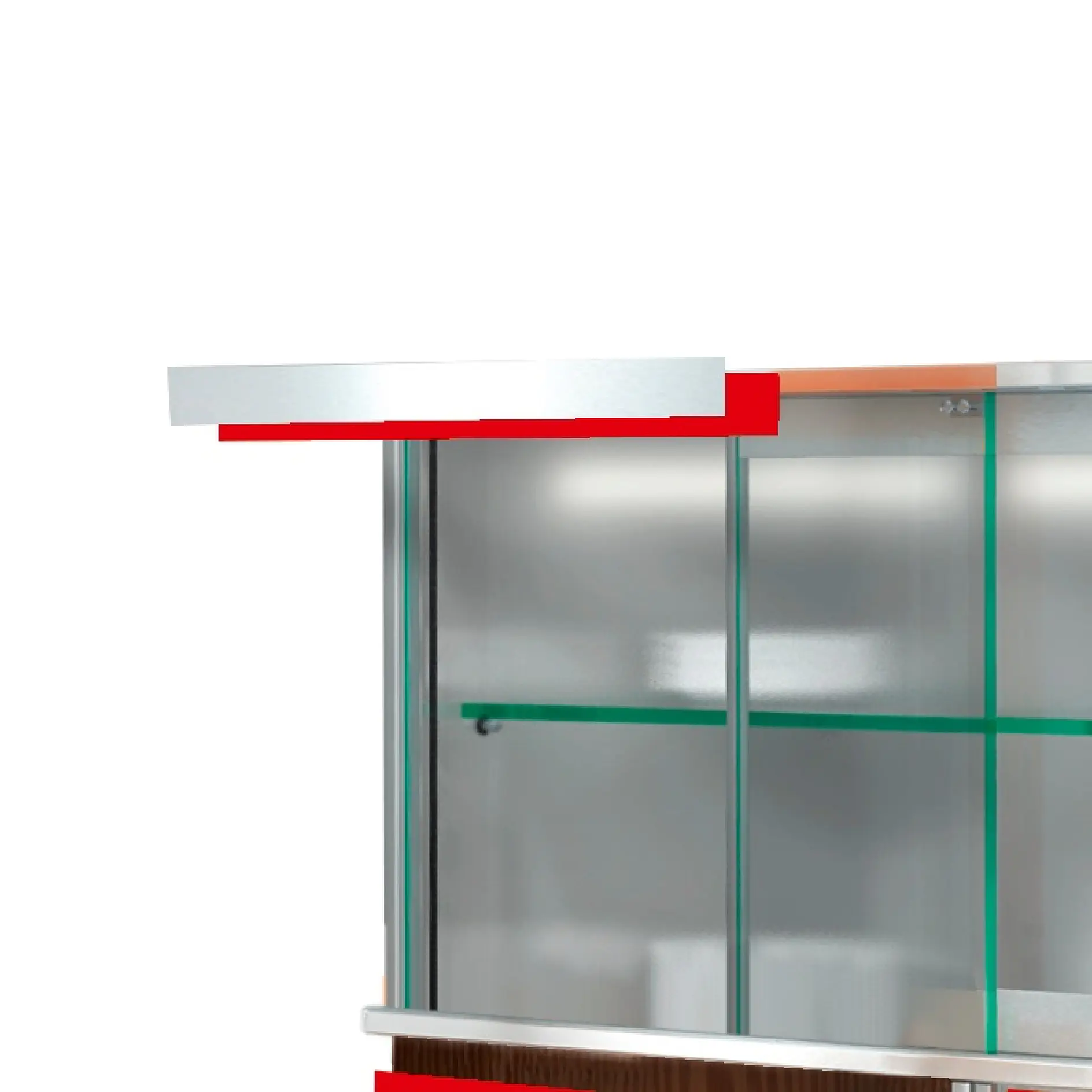
Glass elements are a part of several furniture pieces, including tables, shelves, and wall systems. In these cases, invisibility is the most important factor because end-users don’t want to see the tape. Therefore, we recommend transparent adhesives, but colored tapes matching the frames can also be a possibility. All of them provide excellent bonding power and a long-lasting durability.

04Splicing tapes for furniture back walls

A backboard tape needs to be flexible, as often the back walls of furniture pieces have to be folded for distribution and logistics. Our tesa® tapes give you great stability at any time. Another advantage is that tesa® splicing tapes can be bent 180 degrees without damaging the backside. Therefore, they integrate perfectly into your production process and provide the required hold.

Portrait of cheerful young manager handshake with new employee.
Contact

Our experts are here for you

If you can’t find the right tape, reach out to us. We help you make the right choice and adapt it to your specific requirements. That can be things like production processes, sizes, or forms.

Thank you for your message.

We will contact you as soon as possible.

Something went wrong. Please try again later.
FAQ

FAQ

Furniture tape is used for bonding and mounting components during furniture production and assembly. Common applications include mounting mirrors, fixing decorative and glass elements, and joining furniture back walls. Depending on the application, different tape solutions can provide strong adhesion, flexibility, or vibration absorption.

Overall, tapes work best on even and clean surfaces, in this case coated wood surfaces. Concerning rough surface like untreated wood, you better pick a foam adhesive. The foam can fill up space, if needed, and therefore even out the surface.

Didn't find what you are looking for?

Last updated on 6 Oct 2026