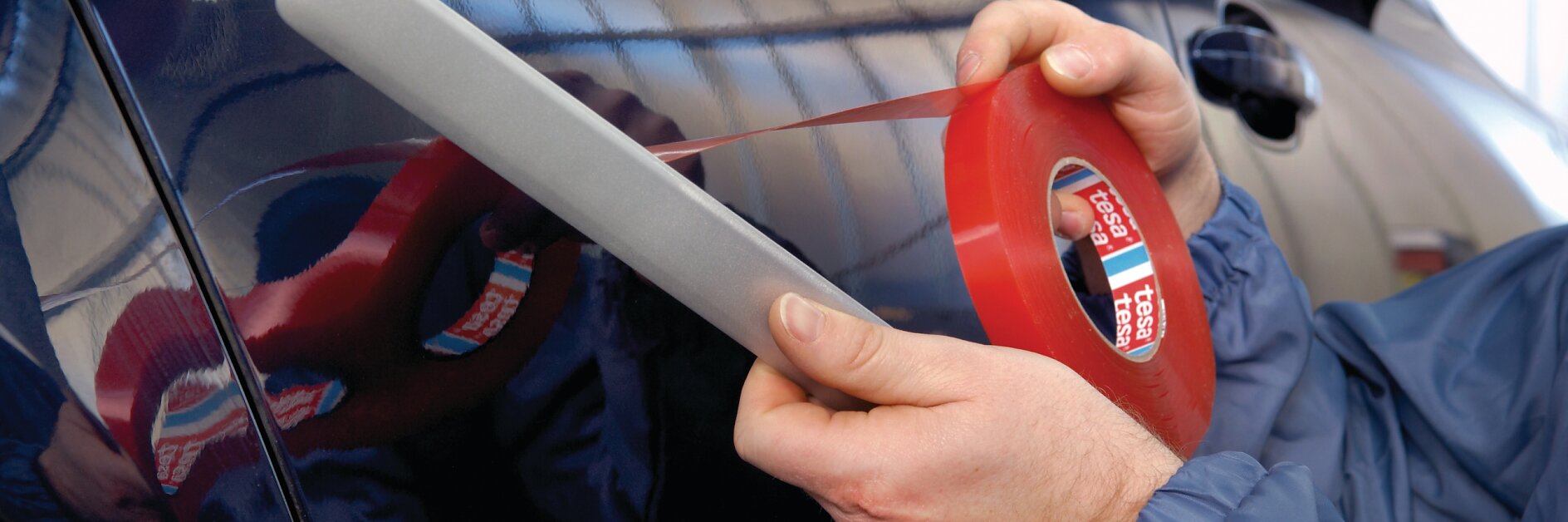
Double-sided tapes
developed for your
manufacturing needs

Quick overview
- Double-sided tapes provide strong adhesion on both sides, offering an alternative to liquid adhesives and mechanical fasteners such as screws, rivets, nuts, and bolts while creating a smooth finish.
- They help simplify manufacturing processes by bonding components quickly and cleanly to smooth and rough surfaces across multiple industries.
- The portfolio includes film, foam, structural bonding, removable, conductive, waterproof, and thermal management tapes to meet different application requirements.
- Key performance features include high bonding strength, flexibility, reliability, impact resistance, waterproofing, and thermal or electrical conductivity.

With a strong adhesive surface on either side, double-sided tapes offer a viable alternative to liquid adhesives or traditional fastenings such as screws, riverting, nuts, and bolts, giving a smooth, flawless finish. Double-sided tapes enable simplified production processes in many sectors, allowing manufacturers to bond components quickly and cleanly - to both smooth and rough surfaces -, such as mounting batteries, lenses, and touch panels as well as sensors and components.
At tesa, we have developed a range of double-sided tapes that meet the demanding needs of our corporate customers. Our high-performance double-sided tapes for general applications range from film and foam tapes, structural bonding tapes, to removable double-sided tapes. And if you’re looking for specialist functionality,we at tesa offer grounding and electrically conductive, waterproof, as well as thermal management tapes for a variety of purposes.
Features of double-sided tapes
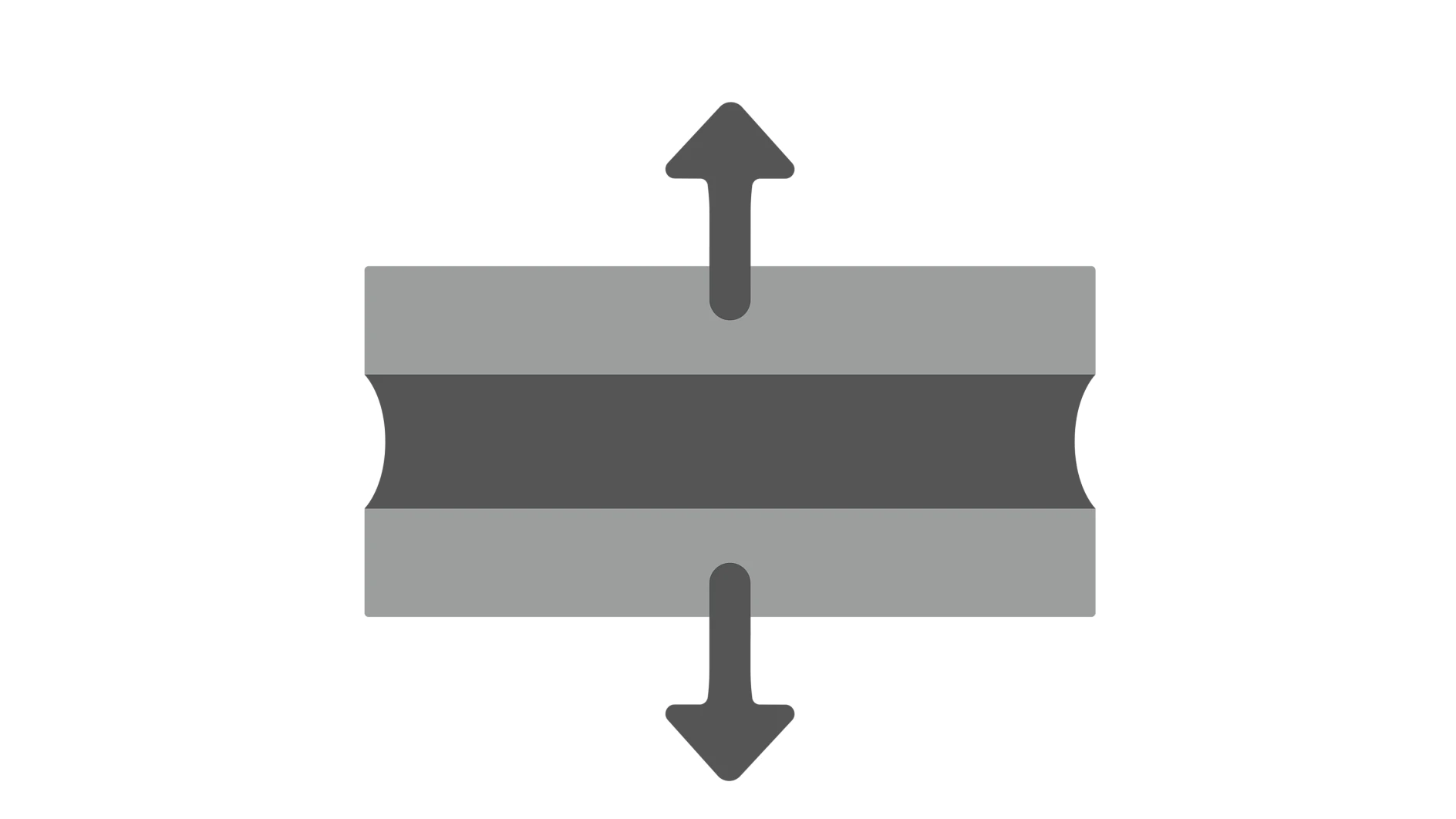
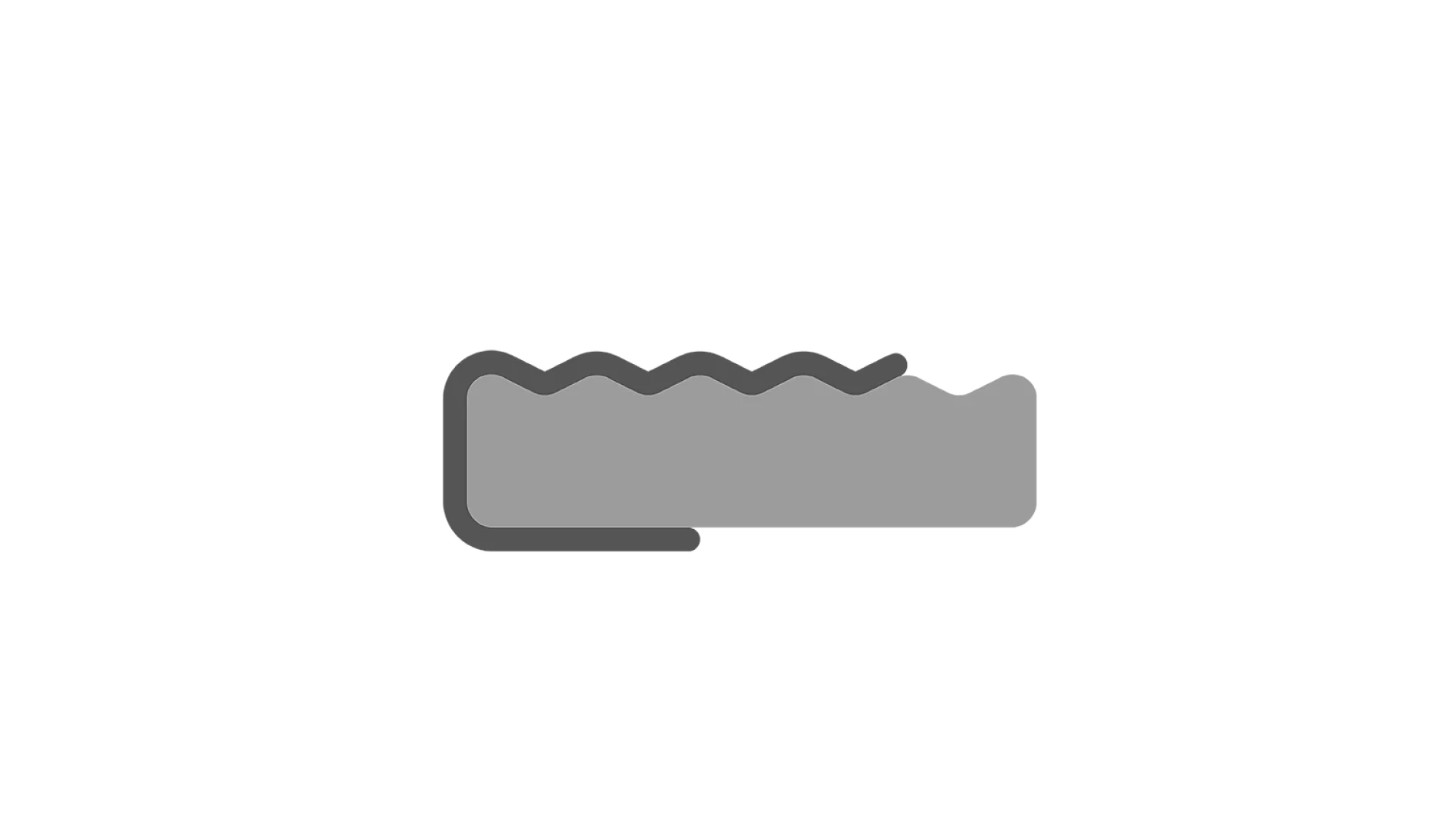
Double-sided tapes are a versatile and useful adhesive solution that can be used in a variety of applications. They are designed to stick two surfaces together with a strong bond that is resistant to separation. Double-sided tapes come in a wide range of types and styles, each with its own unique features and benefits. In this list, we will explore some of the key features of double-sided tapes.
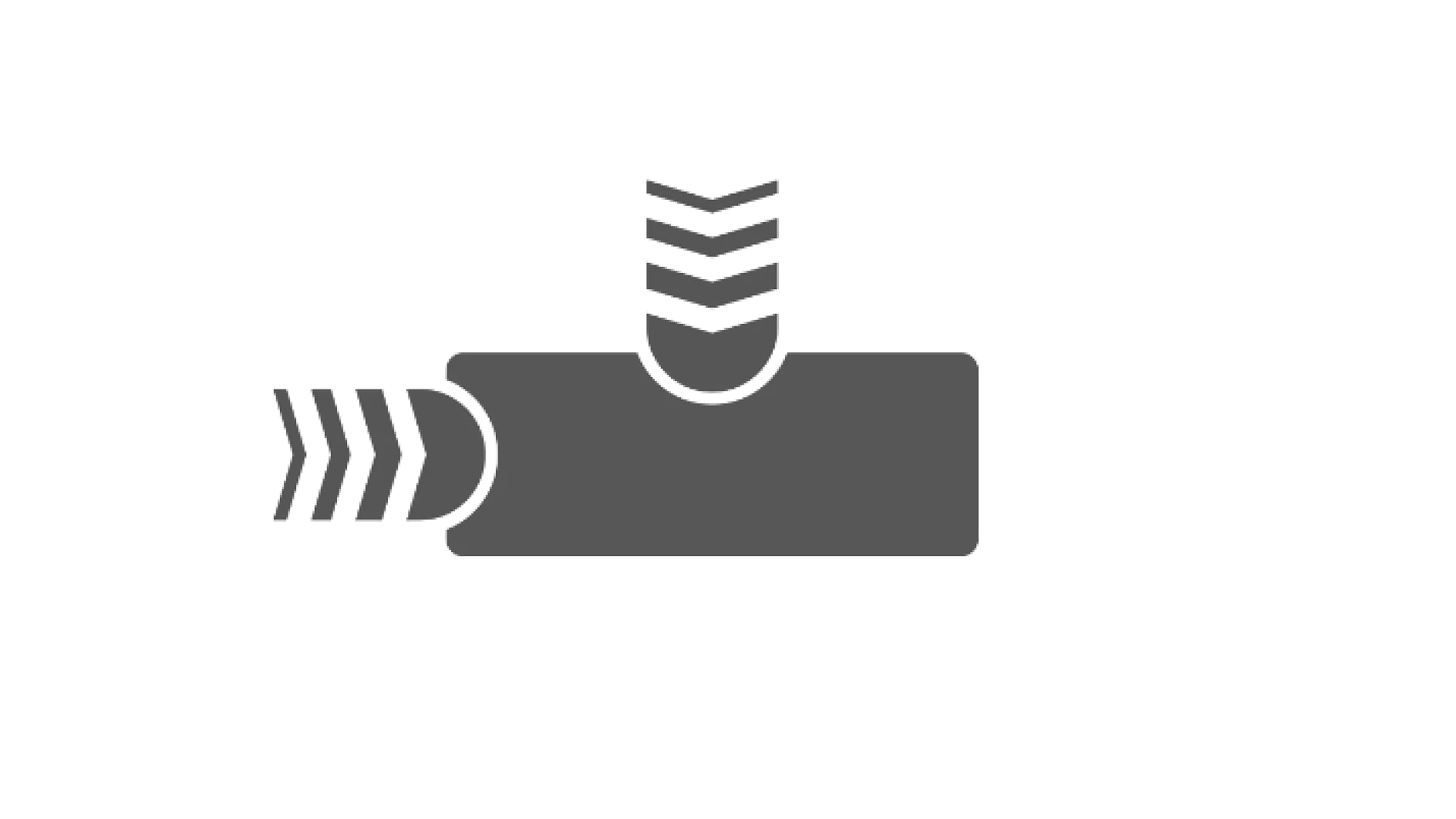

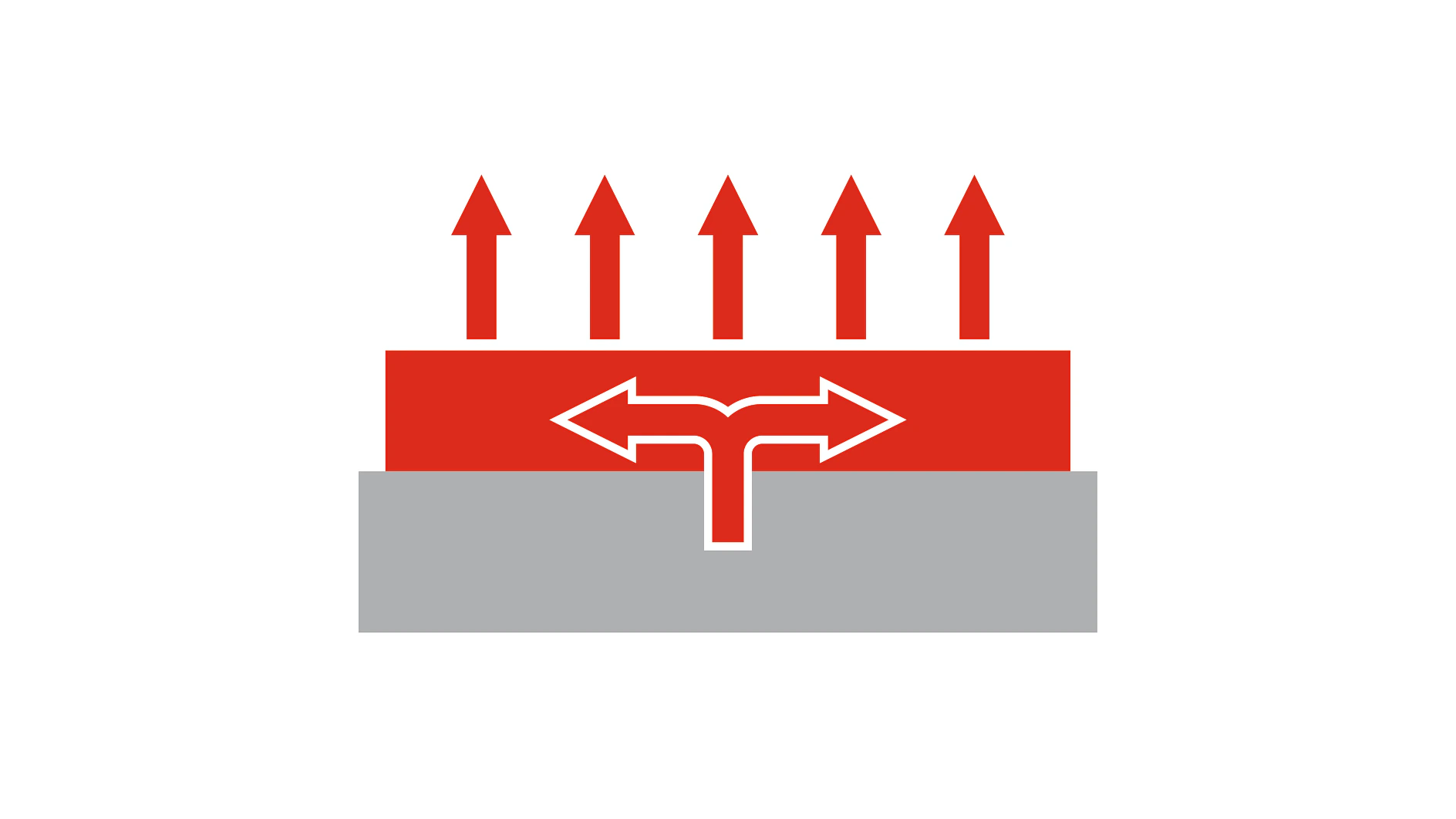
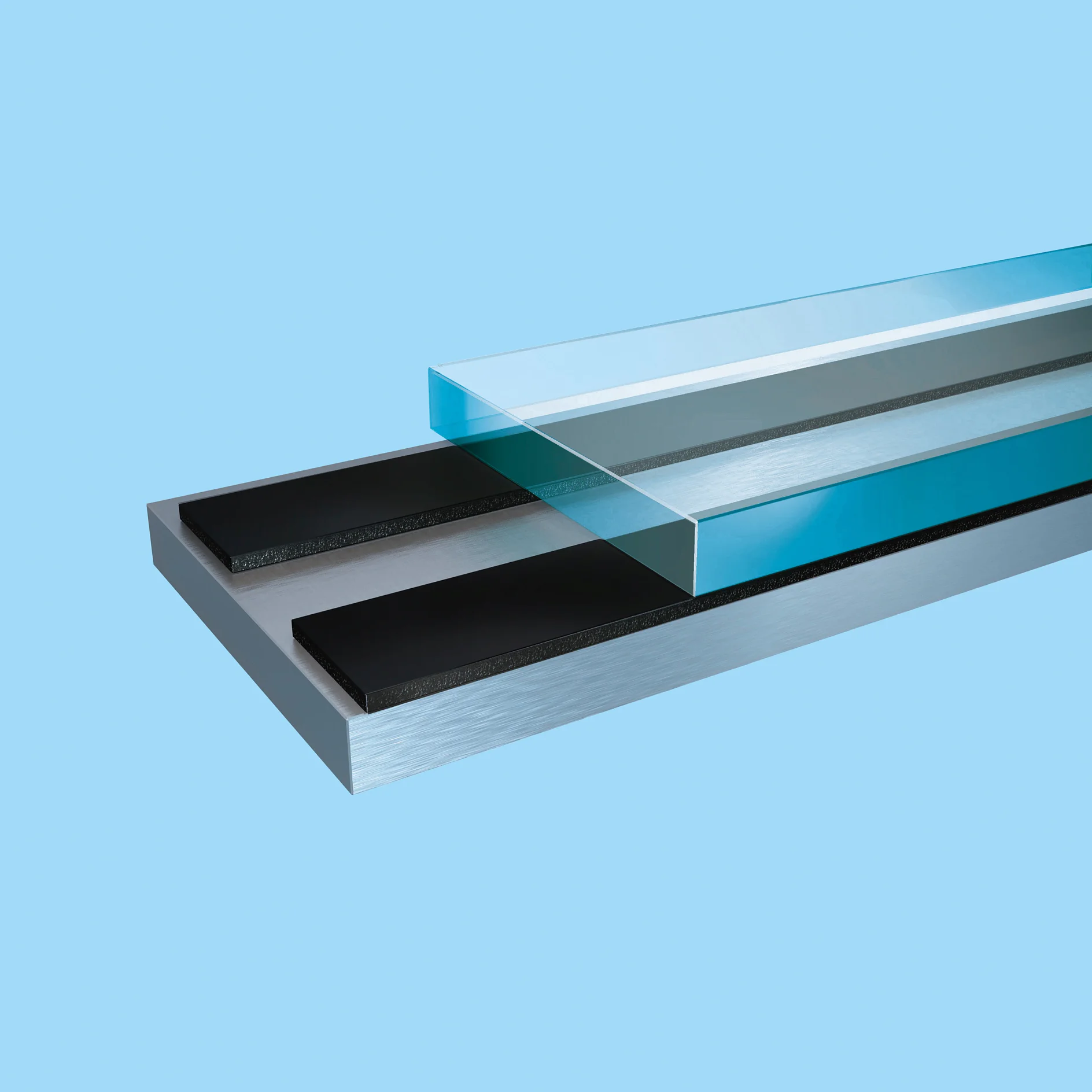
Getting the best from double sided tape
Bonding can be a challenge in almost every industry in situations where different materials need to be bonded. In addition, modern design concepts require high-tech materials to be bonded without affecting their special structures or properties. This is where double-sided adhesive tapes solve common mounting and fixing issues found in many production processes.
When bonding two surfaces using a double-sided tape, one side of the tape is positioned and fixed onto a surface A applying pressure. Once in place, the release liner of the tape is removed, and the surface B can be placed onto the open side of the tape and pressed into place with force being attached equally to ensure a good fit.
When a smaller object is being placed onto a flat surface, it is normally more effective to first attach the tape to the item being stuck in place. This reduces the amount of tape that needs to be used and helps to ensure that the item is positioned correctly.
Potential industrial applications for double-sided tapes
Double-sided tapes are a popular choice in industrial applications due to their unique features and benefits. They offer a strong and reliable bond that can withstand harsh environments and extreme temperatures. Industrial-grade double-sided tapes are designed to provide long-lasting adhesion, making them ideal for use in demanding applications such as automotive, electronics, appliances, building components, and aerospace industries.
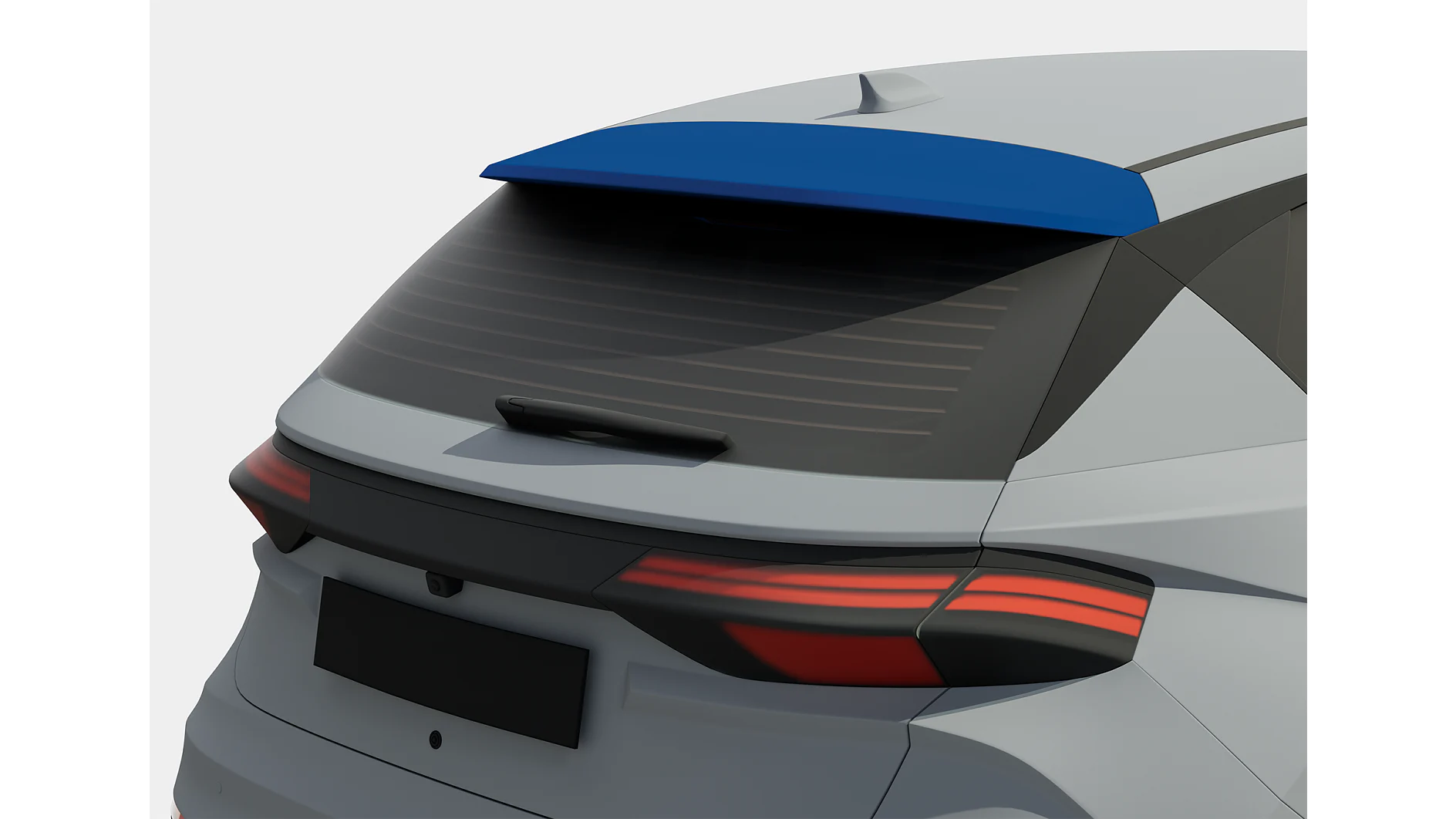
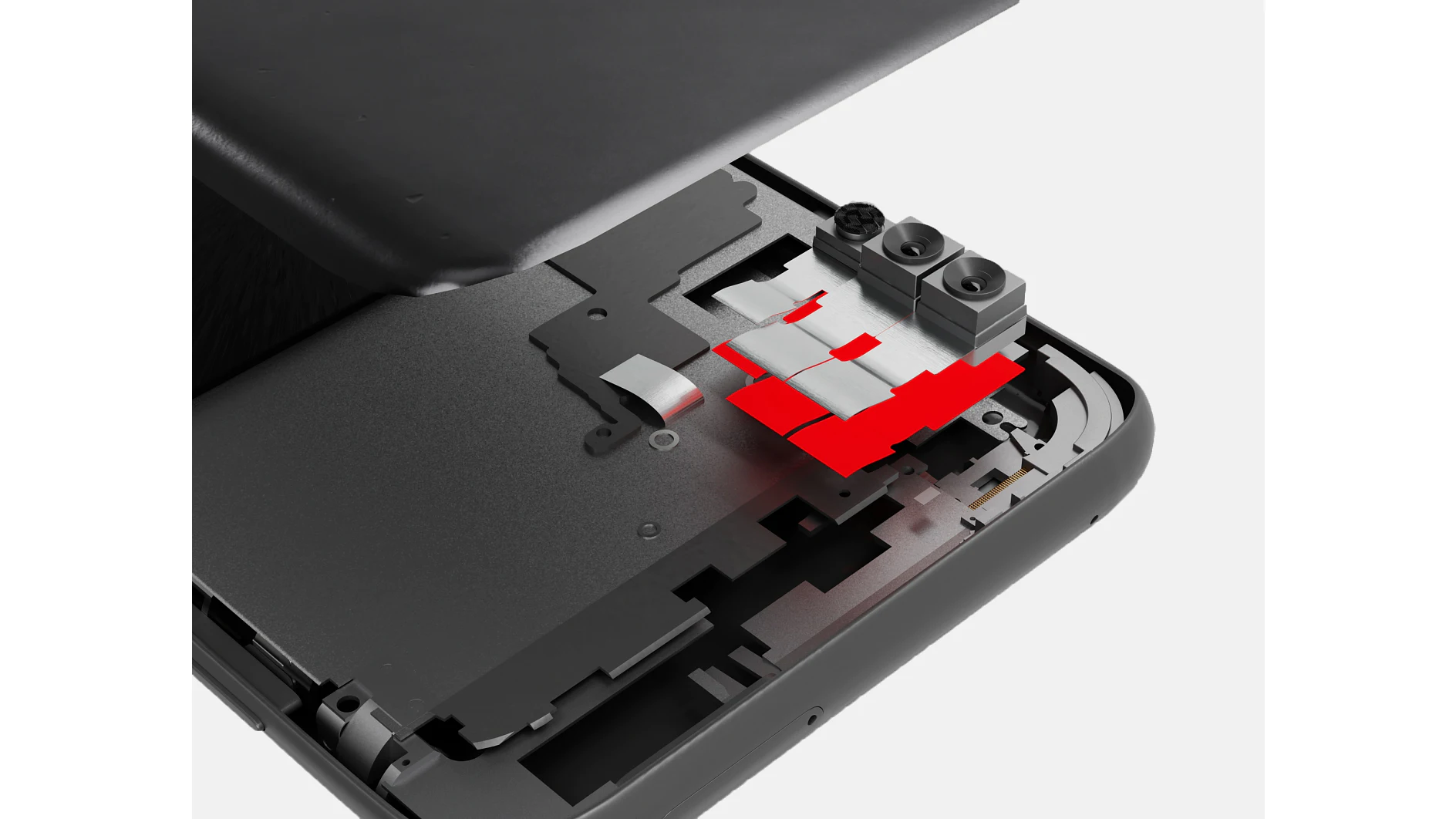
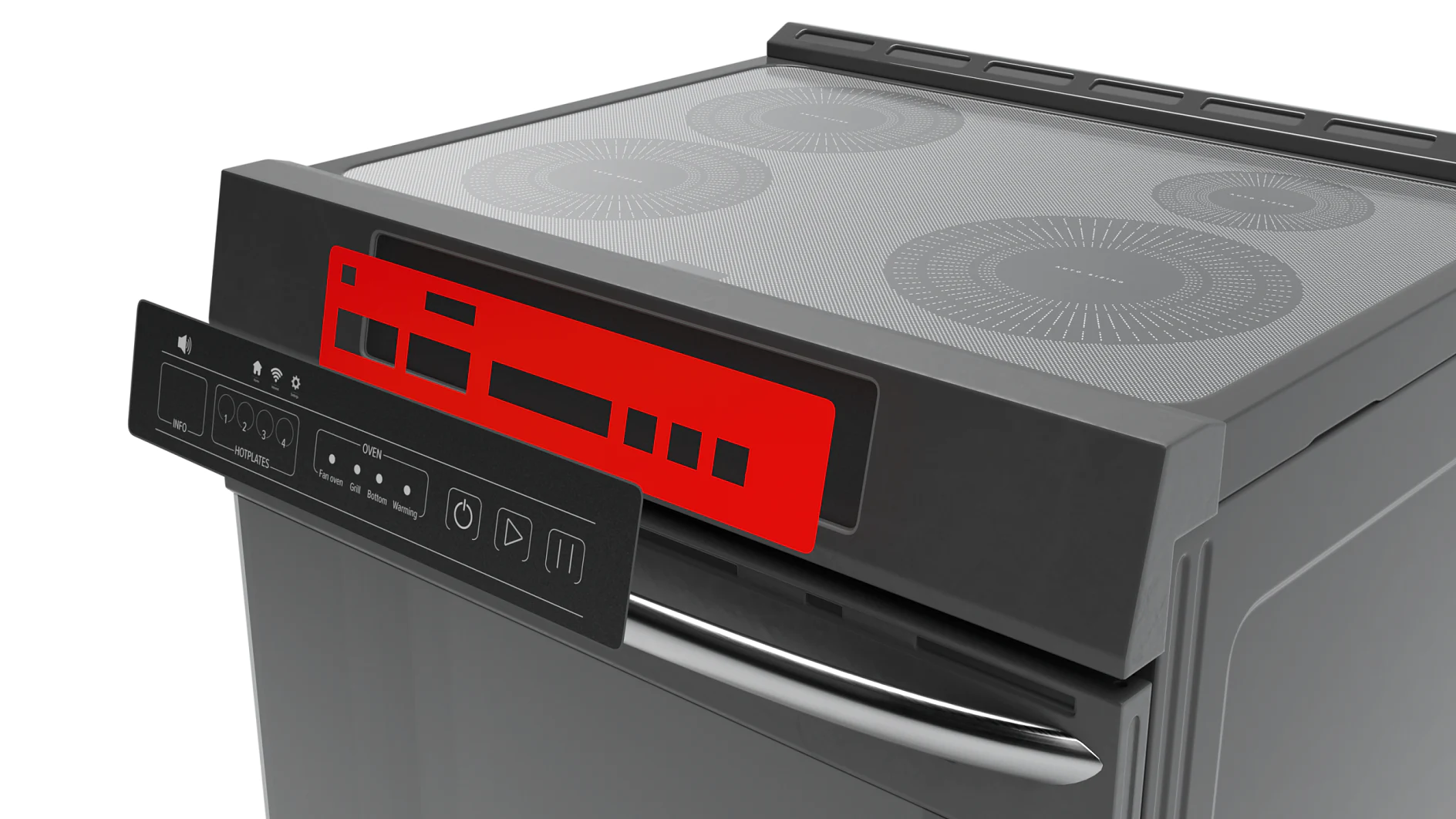
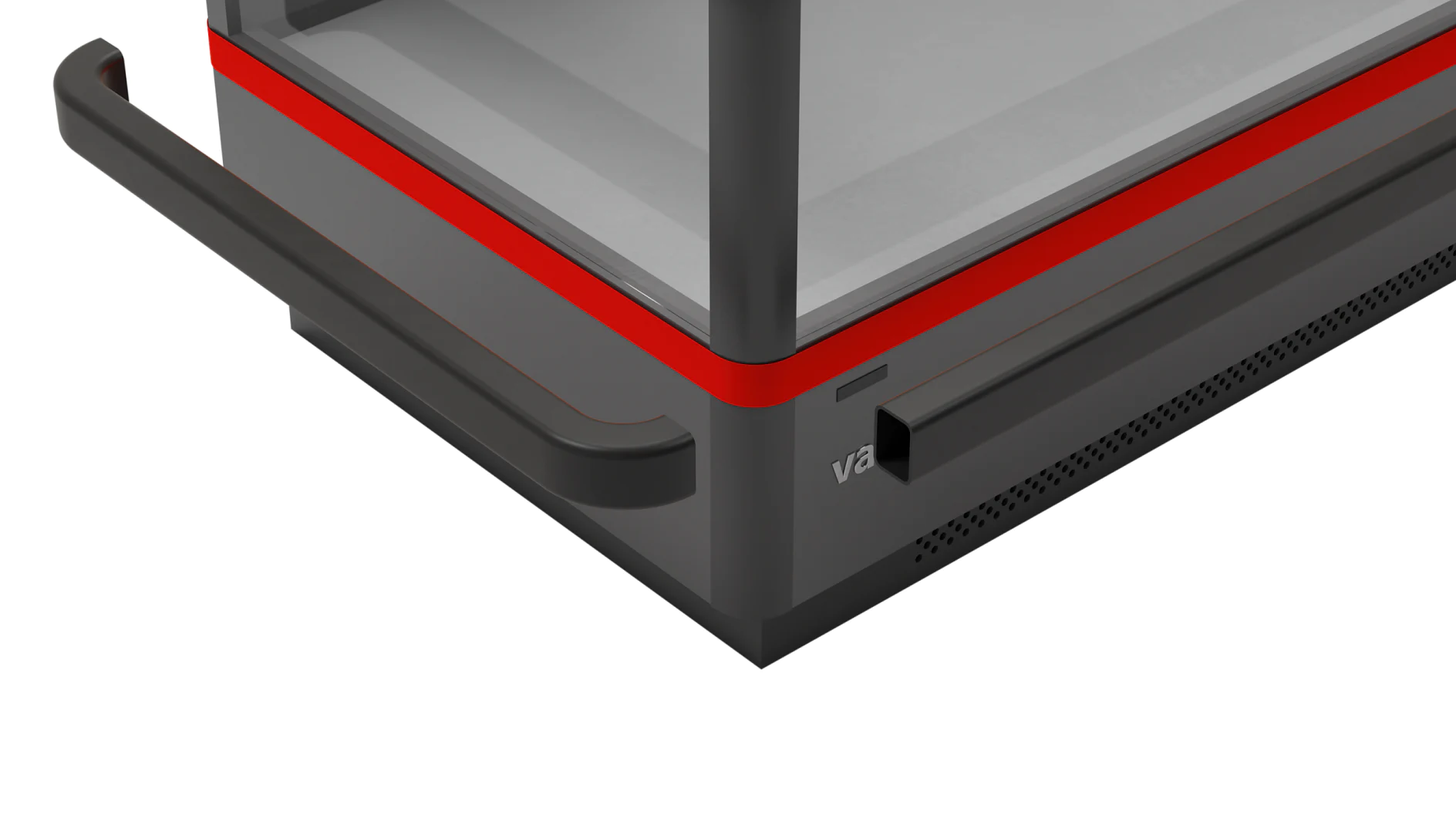
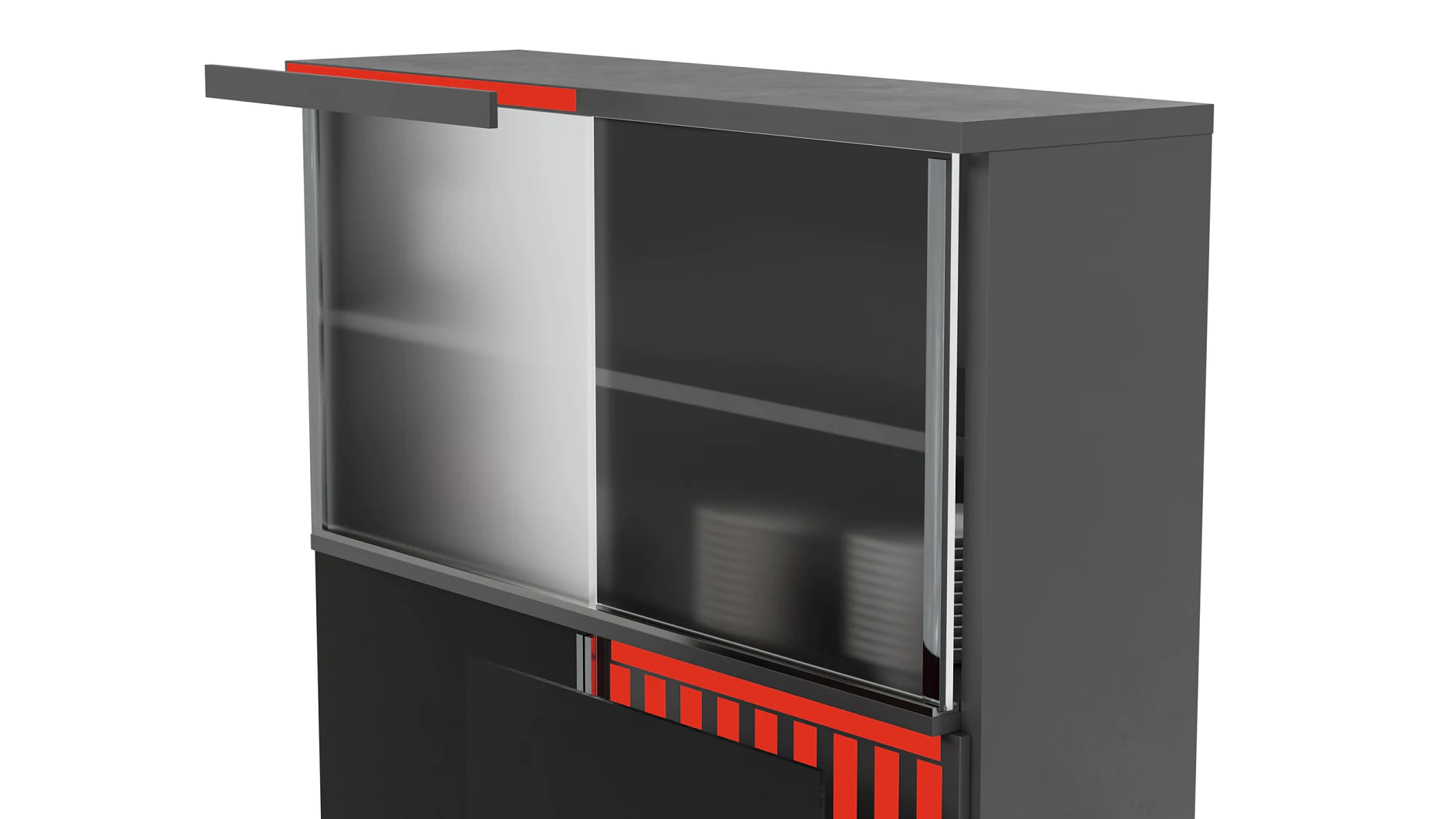
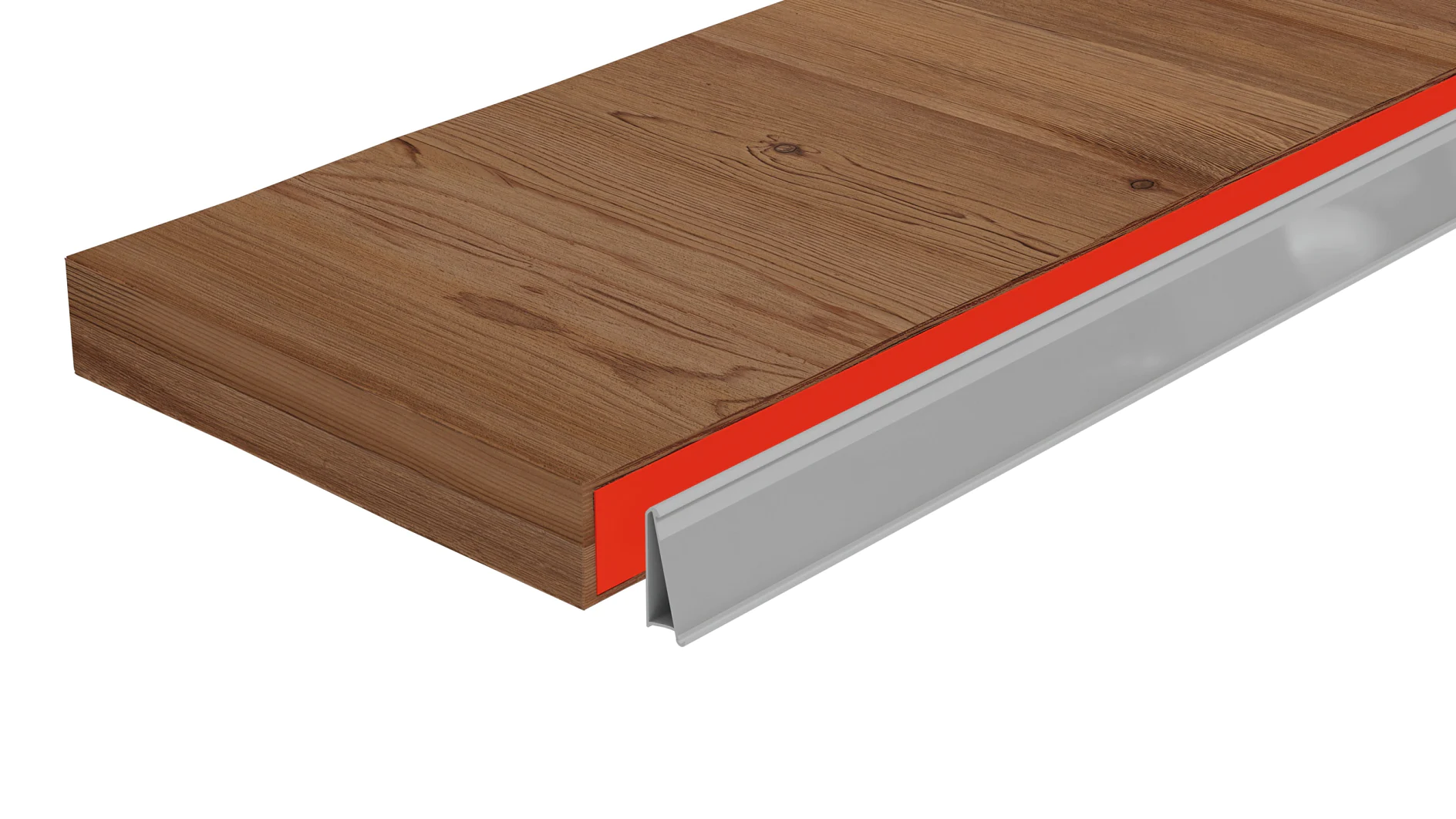
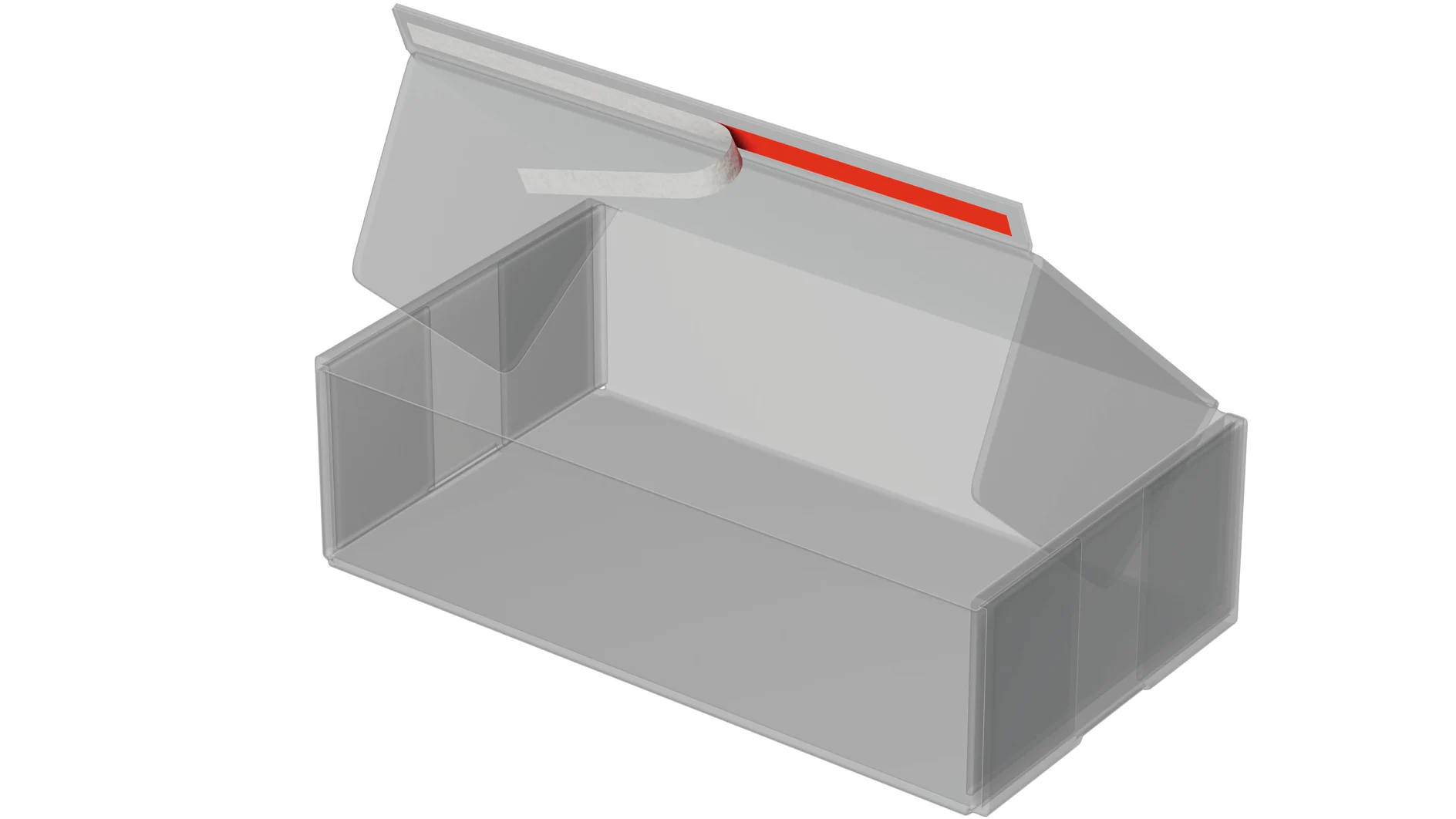
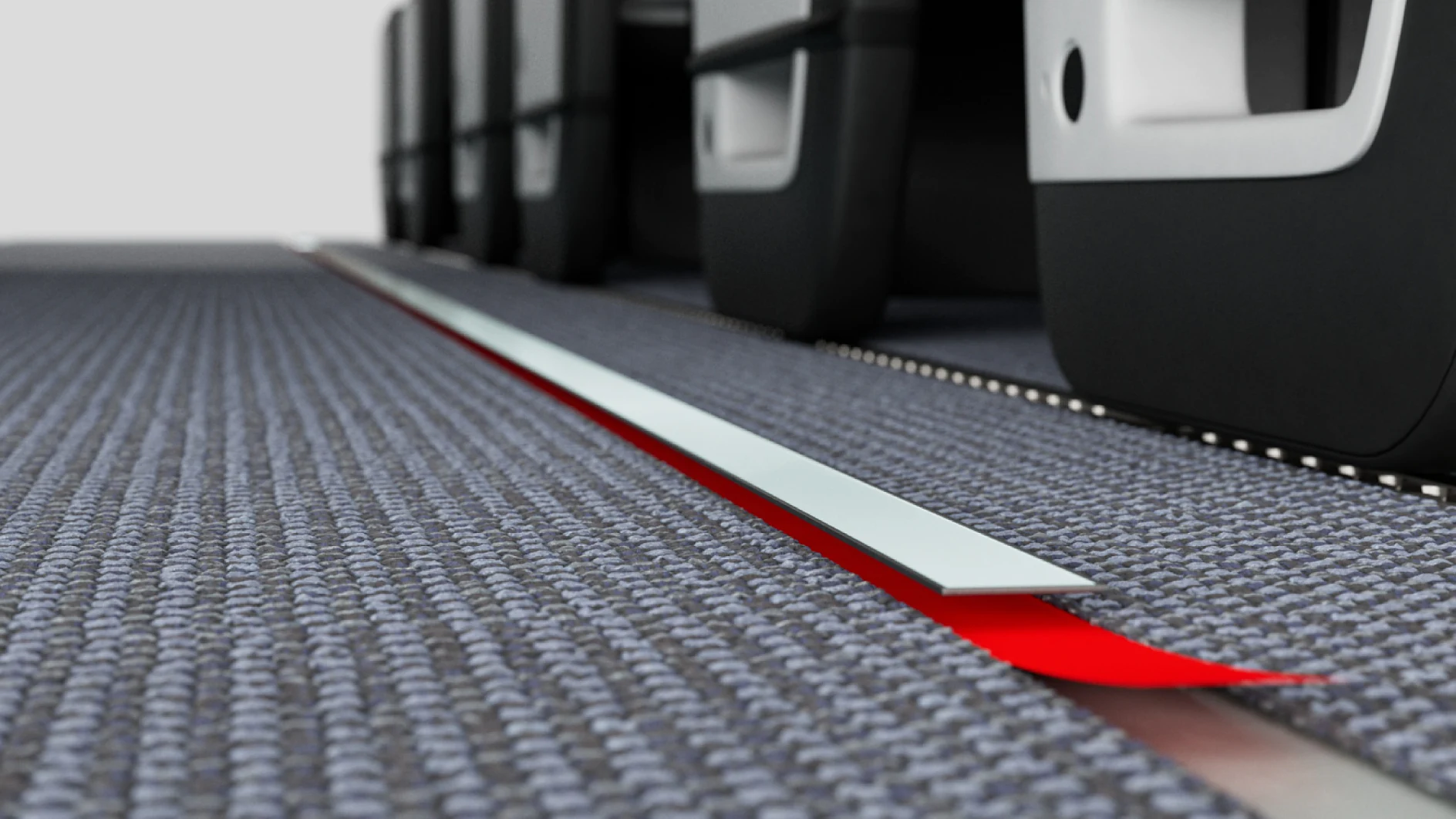
Double-sided tapes developed for your manufacturing needs
Best for: Double-sided tapes are designed for industrial mounting and fixing applications where components need to be bonded securely, cleanly, and efficiently. They support manufacturing processes across industries by replacing traditional fastening methods and enabling reliable bonding on a variety of surfaces.
Why they perform
- High bonding performance
- Flexible across different applications
- Reliable in harsh conditions
- Impact-resistant properties
- Waterproofing capabilities
- Chemical resistance
- Available with electrical or thermal conductivity
Typical applications
- Automotive part mounting
- Electronic component mounting
- Display and touch panel mounting
- Building component strip mounting
- LED strip mounting
Performance takeaway: Double-sided tapes deliver reliable, long-lasting bonding while simplifying industrial assembly and mounting processes.
Overview of double-sided tapes
The range of our double-sided tapes offers proven reliability and high-performance adhesion that meet the demands of manufacturers worldwide. However, we recognize every project is unique and has specific requirements. That’s why our experts are happy to develop bespoke solutions with you and help, find the right adhesive solution for your specific use case. Find an overview of our double-sided tape solutions below:

Let's find the right solution together
Double Sided Tapes: FAQ
O que é um suporte de fita adesiva e todas as fitas dupla-face possuem um?
Um suporte é um suporte fino sobre o qual o adesivo é espalhado. Este transportador pode ser feito de vários materiais: papel, filme, tecido, espuma acrílica, folha metálica ou fibras não tecidas. Todas as fitas dupla-face possuem um suporte que também ajuda a fortalecer ainda mais a ligação. A escolha da fita dupla face com suporte específico depende da aplicação, pois cada material traz propriedades particulares à fita.
Qual é a diferença entre uma fita dupla-face e uma fita adesiva de transferência?
Double-sided tape has adhesive on both sides of a carrier, allowing each surface to bond securely to the tape. The tape’s carrier also provides additional structural support. Adhesive transfer tape, however, has no carrier and just relies on the strength of the adhesive to form a bond. In return it offers an increased conformability and wetting performance.
A fita dupla-face possui adesivo em ambos os lados de um suporte, permitindo que cada superfície se fixe com segurança à fita. O suporte da fita também fornece suporte estrutural adicional. A fita adesiva de transferência, entretanto, não possui suporte e depende apenas da resistência do adesivo para formar uma ligação. Em troca, oferece maior conformabilidade e desempenho de umedecimento.
Por que escolher uma fita dupla-face para aplicações industriais?
O nosso extenso historial permitiu aos especialistas da tesa testar as nossas fitas adesivas contra outros tipos de sistemas de colagem ao longo de muitos anos. E com base na nossa experiência, as vantagens das fitas dupla-face são claras ao enfrentar os desafios dos processos de produção complexos e otimizados de hoje. Por exemplo, as fitas dupla-face podem reduzir bastante os riscos comuns à saúde relacionados às soluções de cola líquida e podem ser mais fáceis de manusear. Além disso, as fitas dupla-face podem até suportar mais peso do que os parafusos normais em determinados cenários e proporcionam mais liberdade de design nos processos de fabricação.
Quais são as vantagens da fita dupla-face?
As fitas dupla-face são usadas em muitas aplicações em diversos setores. Alguns são ideais para colagem em superfícies planas e lisas, como vidro, metal e plásticos sem relevo. Outros são ideais para superfícies ásperas e irregulares. Todas as fitas geralmente oferecem boa resistência à temperatura e são facilmente integradas nas linhas de produção atuais. As fitas dupla-face podem absorver choques e vibrações e são relativamente fáceis de remover, se necessário.
Como a fita dupla-face pode ser removida?
As fitas adesivas dupla-face tesa® proporcionam uma fixação forte em diversas superfícies, mesmo em aplicações pesadas. Muitos dos nossos produtos podem ser removidos facilmente e sem deixar resíduos, quando necessário. Nas últimas décadas, desenvolvemos uma ampla gama de fitas dupla-face que podem ser descoladas de diferentes maneiras, por ex. por peeling, aplicação de solventes ou estiramento (tesa® Bond & Detach). À medida que a separação se torna cada vez mais importante, estamos constantemente a desenvolver novos métodos. Por favor, entre em contato conosco para saber mais.