
Quick tips to stop
things from going wrong
Common flexo challenges and how to avoid them
Every experienced person in print knows that no two presses are quite the same. There are many variables that can affect efficiency and quality. We have put together a list of some of the most common issues, the problems they can cause, and how to avoid them.
Temperature and humidity
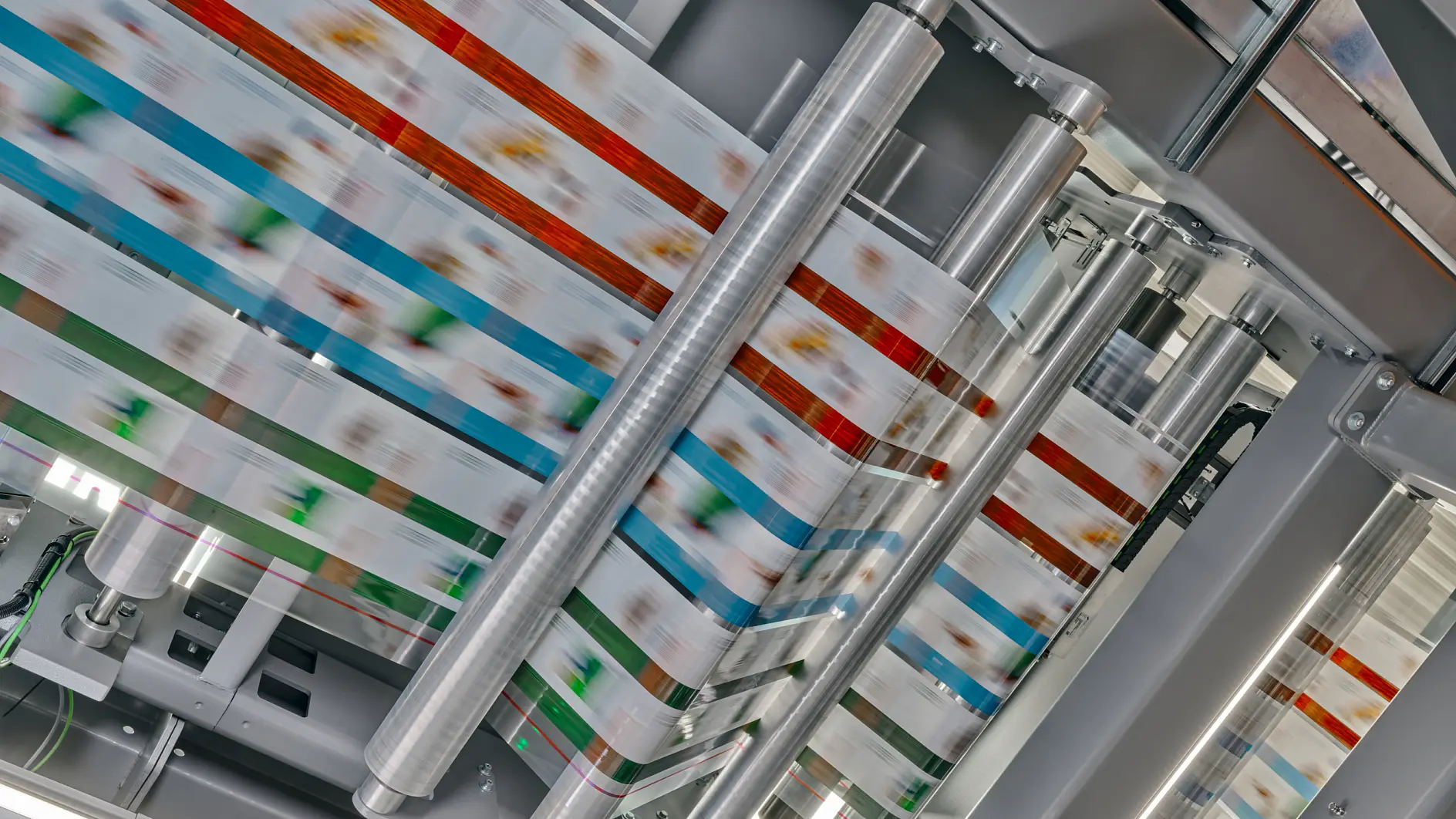
Slight changes in the atmospheric conditions in your print room can make significant differences to your processes. For example, your tape, plate, and sleeve should be at similar temperatures when mounting. This prevents humidity becoming trapped between the components which can lead to insufficient bonds and plate lift.
Temperature, humidity, and air circulation can also affect the quality of ink transfer. Water and alcohol-based inks especially can dry too fast or too slowly, so keeping a consistent atmosphere or adjusting the dryer power can help. To achieve the best results is a balancing act of many variables, from the conditions to the choice of products you use.
Pressure
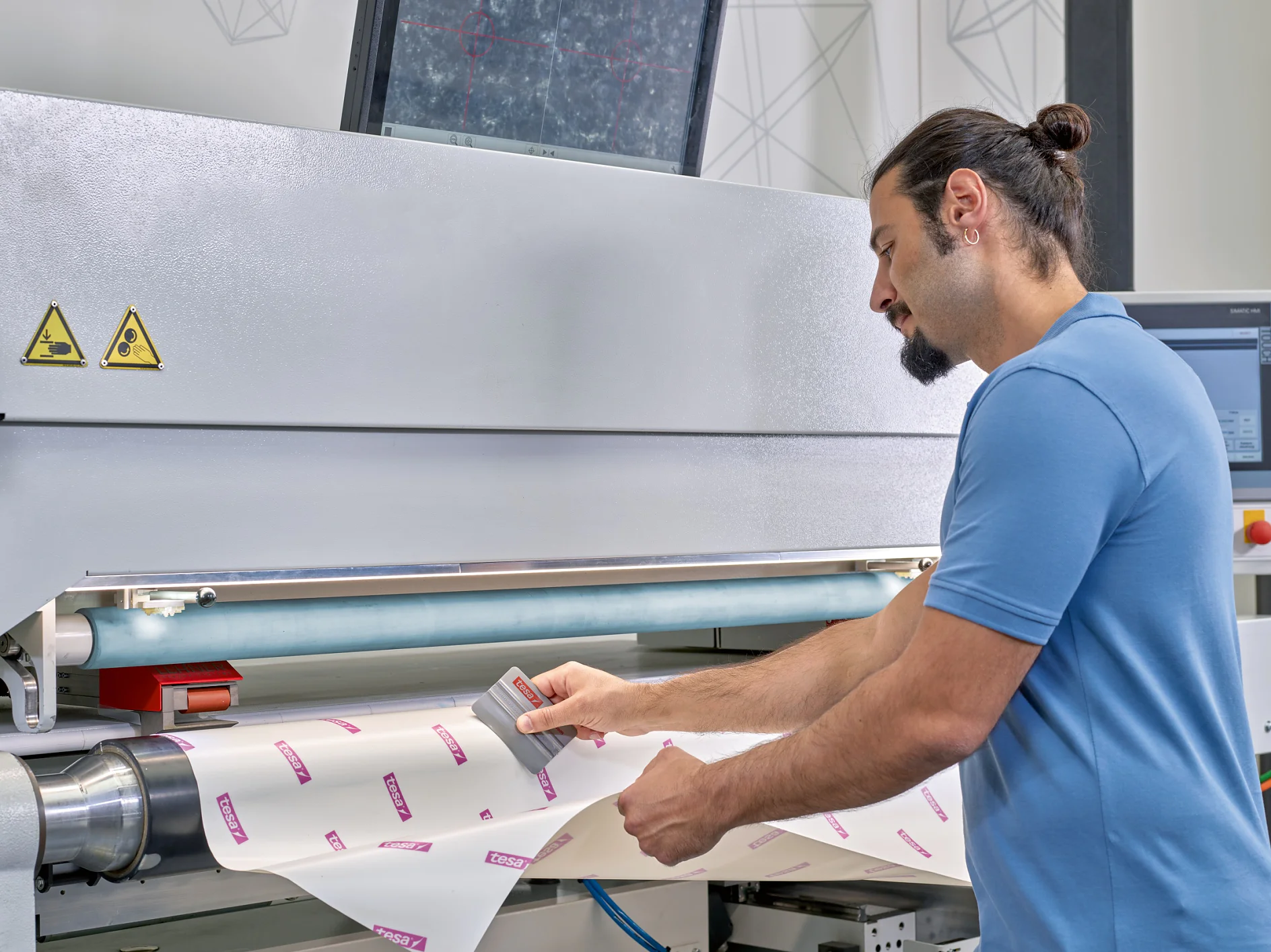
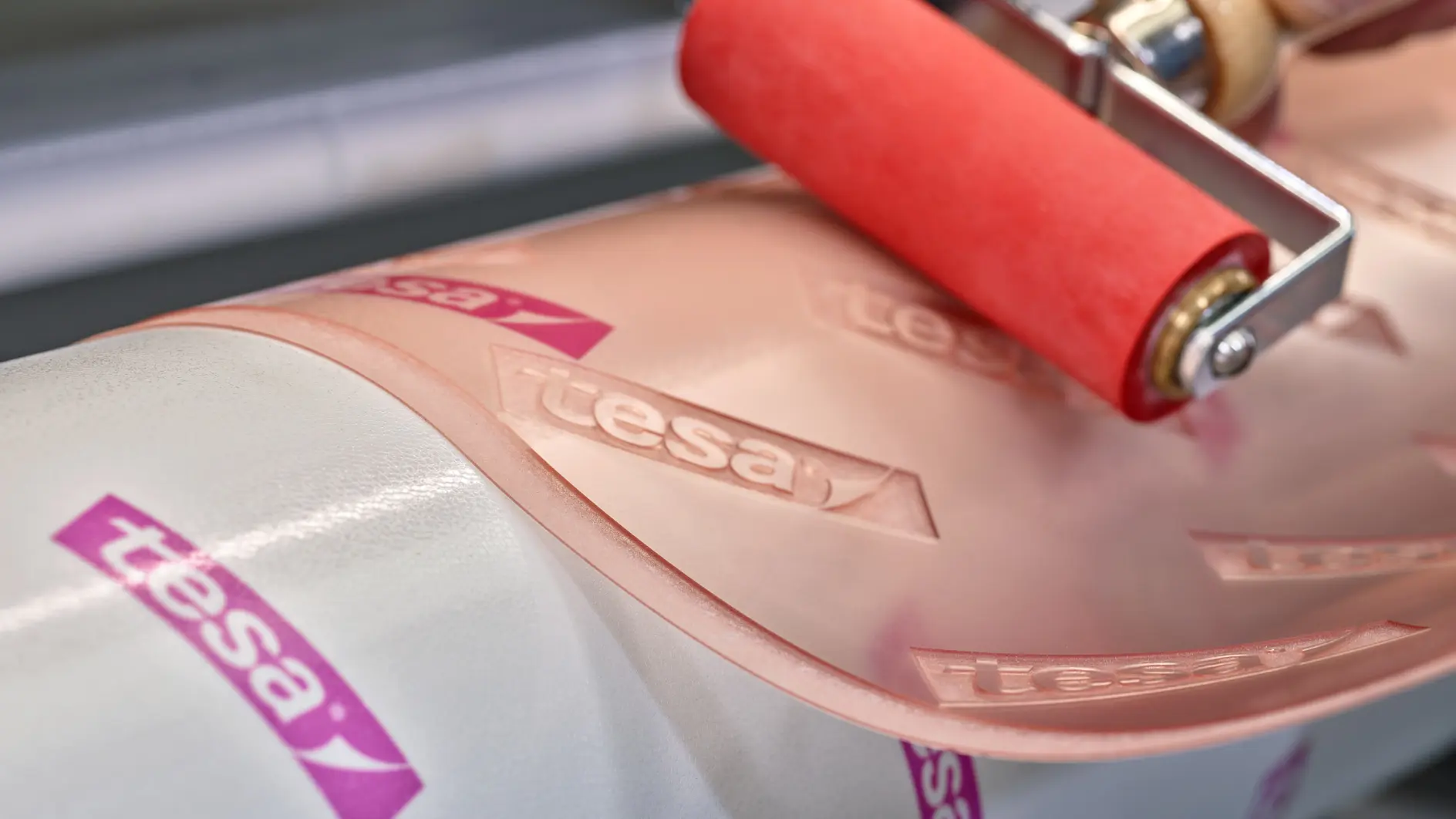
When mounting tape and plate, remember that the adhesive is pressure sensitive, especially when handling low-tack adhesives. So, any area of the tape or plate that gets less pressure - or worse, no pressure - will not stick. These areas are where air bubbles will begin to form. The bad news is, any area that doesn’t stick well at the beginning can grow bigger, as the tape will pull up areas around it.
So always remember to apply sufficient pressure, for example by using squeegees during tape mounting, or rubber rollers during plate mounting. And adjust the pressure on mounting machines as needed, use lay-on rollers when available for a balanced, fast, and high-pressure application.
Storage
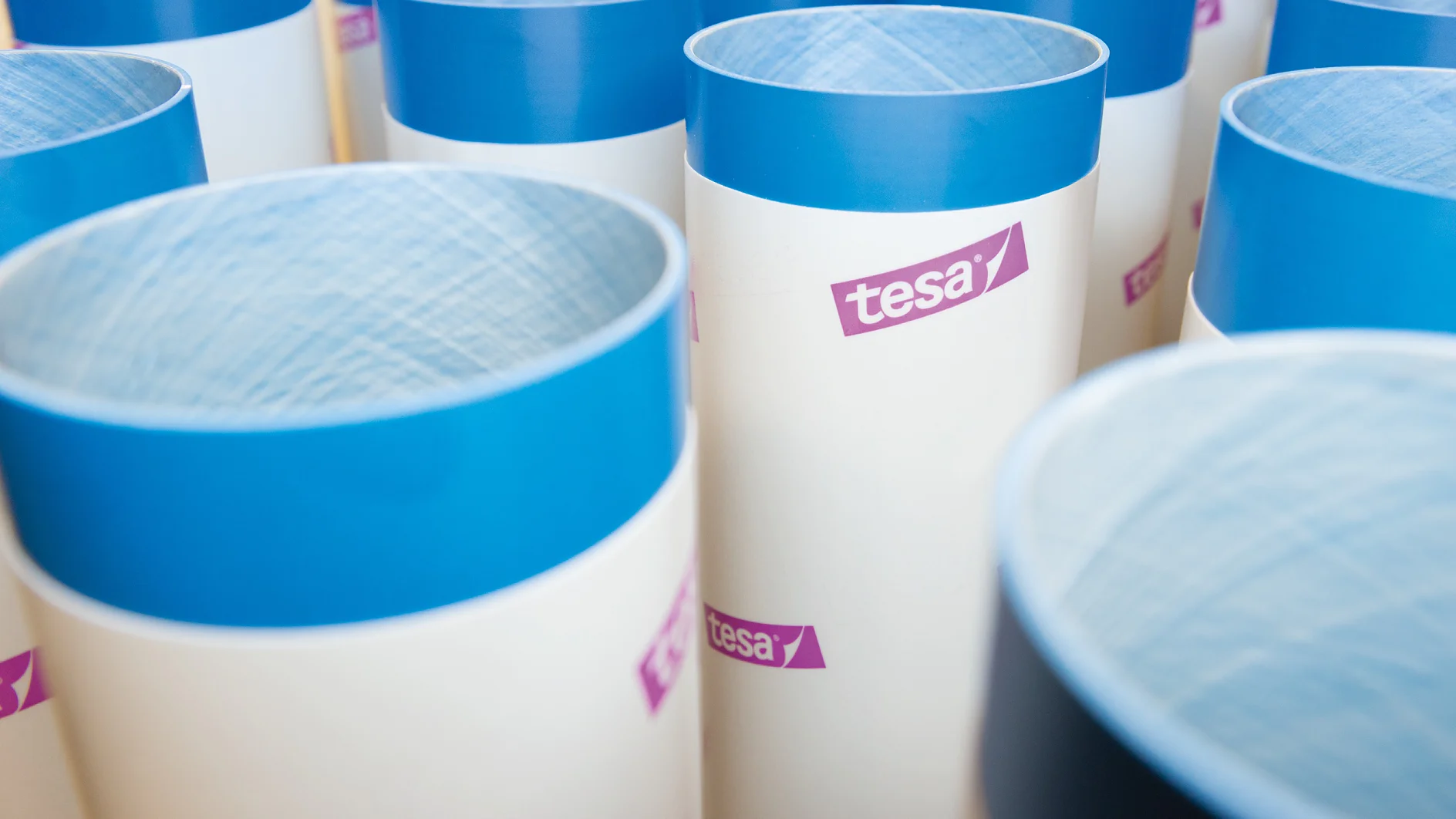
Plates and tapes should be stored at same temperature levels, so that no condensation occurs on any components. Trapped humidity e.g. between sleeve and tape will result in weaker adhesion levels. We recommend to store our tesa® Softprint plate mounting solutions within a temperature range of 15-35 °C (60-95 °F), at a relative humidity level of 40-60 %.
We suggest cleaning the backside of the plates before storing. Allowing contamination to stay on the plate any longer than necessary only makes it harder to clean later.

Contact
Get in touch
We are here to help. Contact us for more information on our flexo plate mounting products
Last updated on 26 May 2026