
Electrically conductive tapes
for industry

Quick overview
- Conductive adhesive tapes provide reliable conductivity for conduction, grounding, and shielding. Widely used across industries, including automotive manufacturing and electronics assembly.
- The portfolio includes single-sided and double-sided tapes with conductive acrylic adhesives and conductive backings such as foam, fabric, aluminum, and copper.
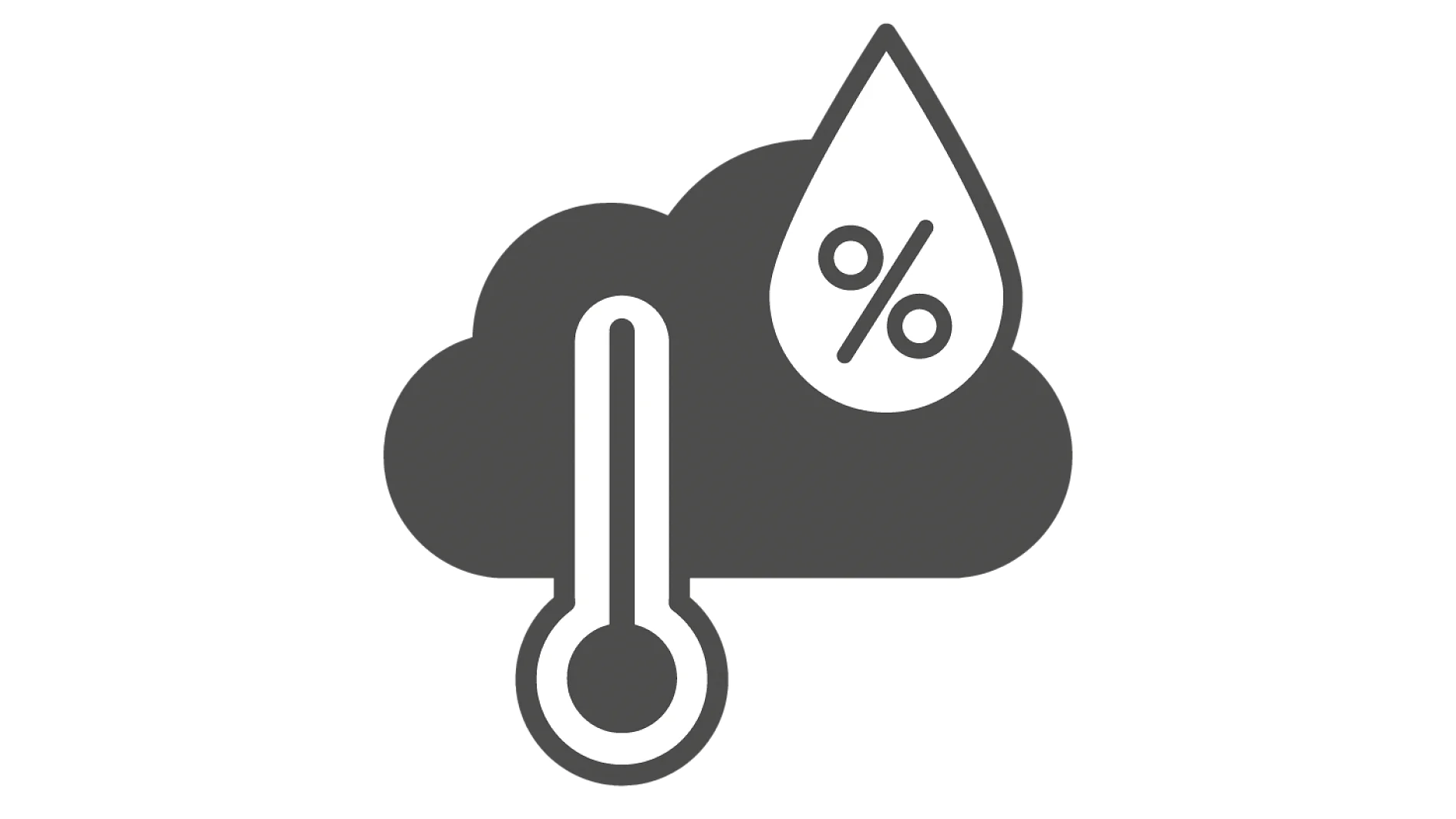
- Key benefits include high conductivity, strong adhesion, reliability in demanding environments, resistance to heat and humidity, and options for EMI shielding and impact protection.
- Conductive tapes support applications such as electrical signal transfer, grounding, EMI shielding, and ESD prevention.
Our electrically conductive adhesive tape can be used widely in industry applications that demand reliable adhesion with electrical conduction. The performance of our pressure sensitive conductive tapes is backed by our reputation and decades of experience. They are high-performing and easy to integrate into the manufacturing process. These adhesive solutions are suitable for use in applications where effective conduction, grounding, or shielding is essential.
At tesa we have developed electrically conductive adhesive tapes for many industrial applications, including automotive and electronics. Single-sided tapes are widely used for applications such as bonding, sealing, and electromagnetic shielding. Double-sided tapes play a key role, for example, in the assembly of electronic equipment, for mounting and grounding.
Key features of our industrial conductive tapes
Our tapes combine conductive acrylic adhesive with a choice of conductive backings: Foam, woven, and non-woven, fabric, aluminum, and copper. They are robust and versatile, and come in a variety of thicknesses ranging from 17 µm to 2,000 µm. Electrically conductive tapes are available with XYZ axis conductivity (conducts through length, width, and thickness of the tape) and XY conductivity (does not conduct through the thickness of the tape) for conductivity and insulation, according to your intended application.
If you require supplemental information about the choice of conductive tape for your project,




Typical industry applications for electrically conductive tape
Electrically conductive tape has a variety of industrial applications where reliable conductivity needs to be balanced with effective adhesion. It is widely used in automotive manufacturing processes and the assembly of electronic devices. Our conductive adhesive tapes are designed to meet different requirements and environmental conditions for effective conduction, grounding and shielding in electrical applications.
Typical applications include:
- Electrical conductivity: Our conductive tapes facilitate the transfer of electrical signals between individual pieces of equipment, surfaces, or components, for example in the production of display screens.
- Grounding: Maintain safety and prevent electric shocks by establishing a reliable connection between conductive components or surfaces.
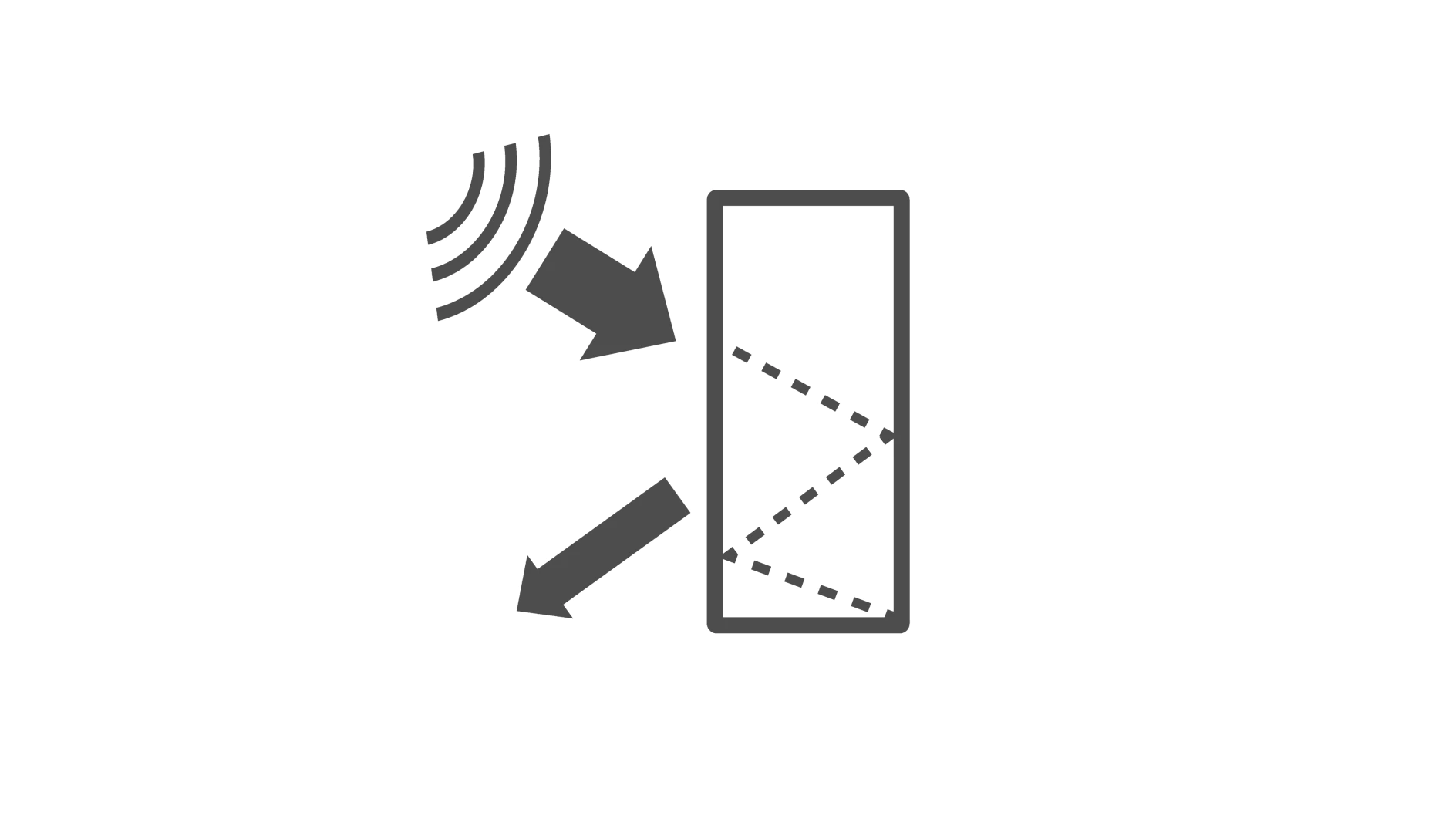
- EMI shielding: Used throughout the electronics and telecommunications industries for sealing and gap-filling to protect sensitive components from electromagnetic interference.
- Preventing electronic static discharge (ESD), which may cause damage to electronic devices with sensitive components.
If you need additional information or have a query about suitable products for your application,
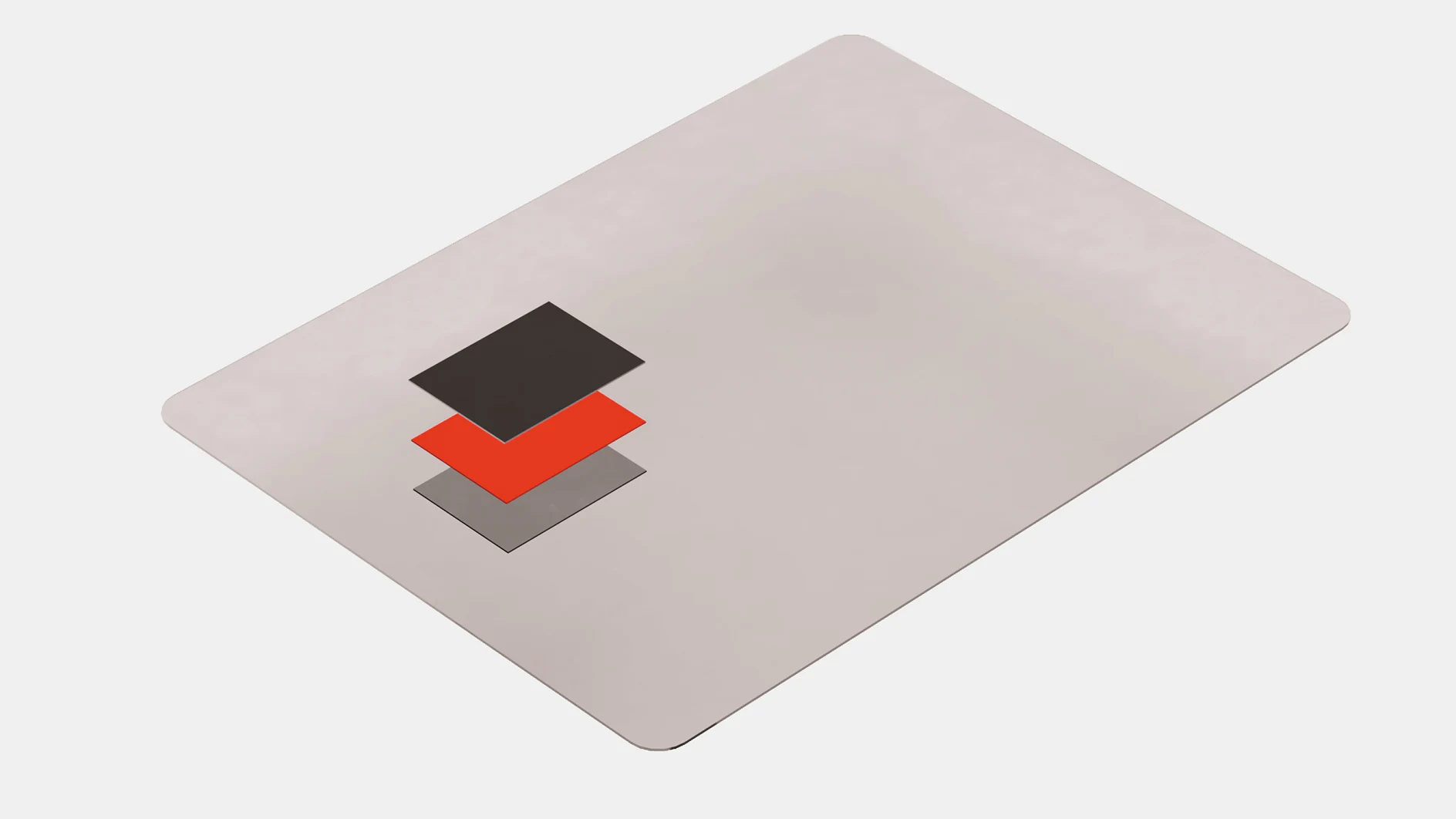
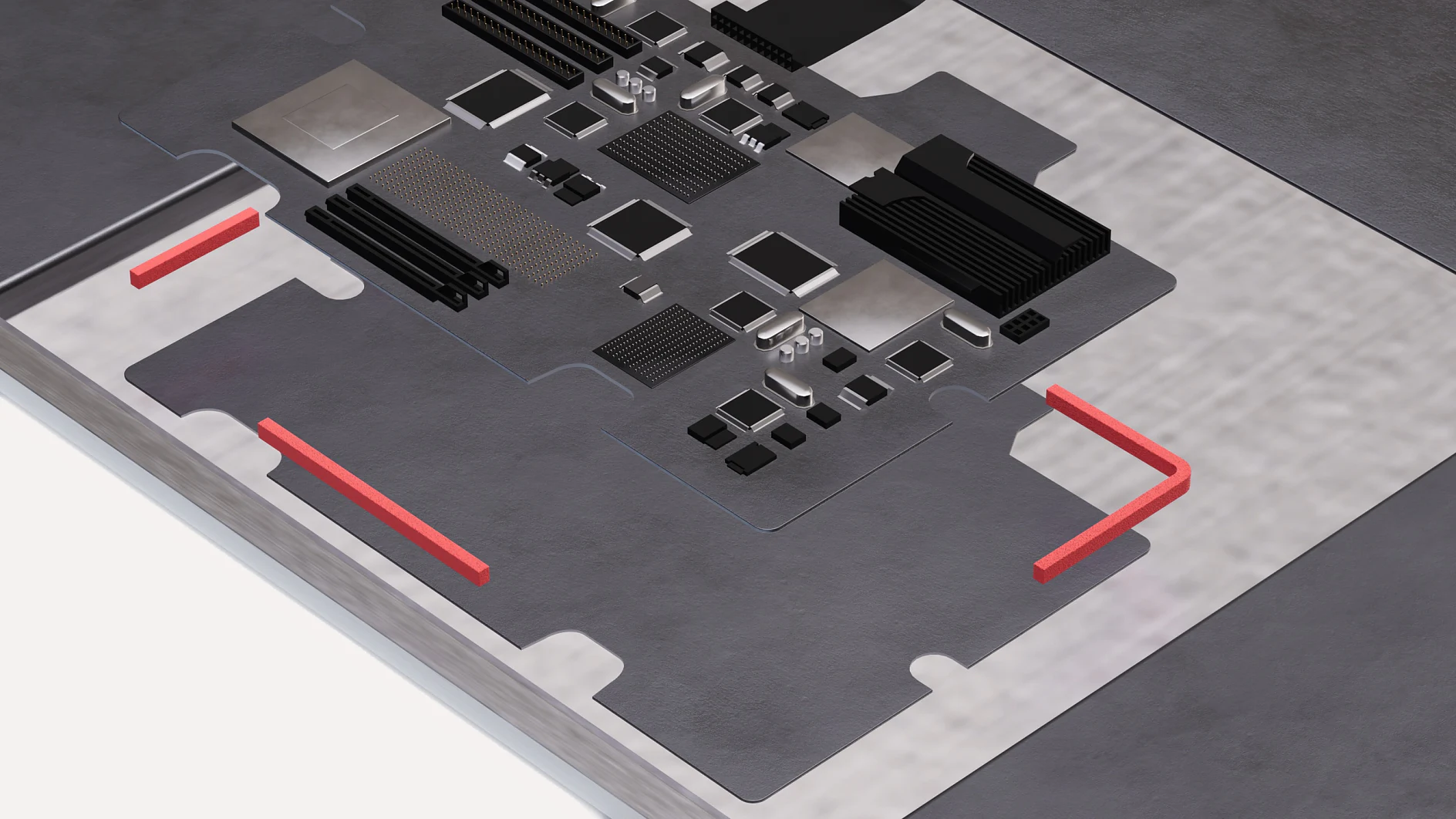
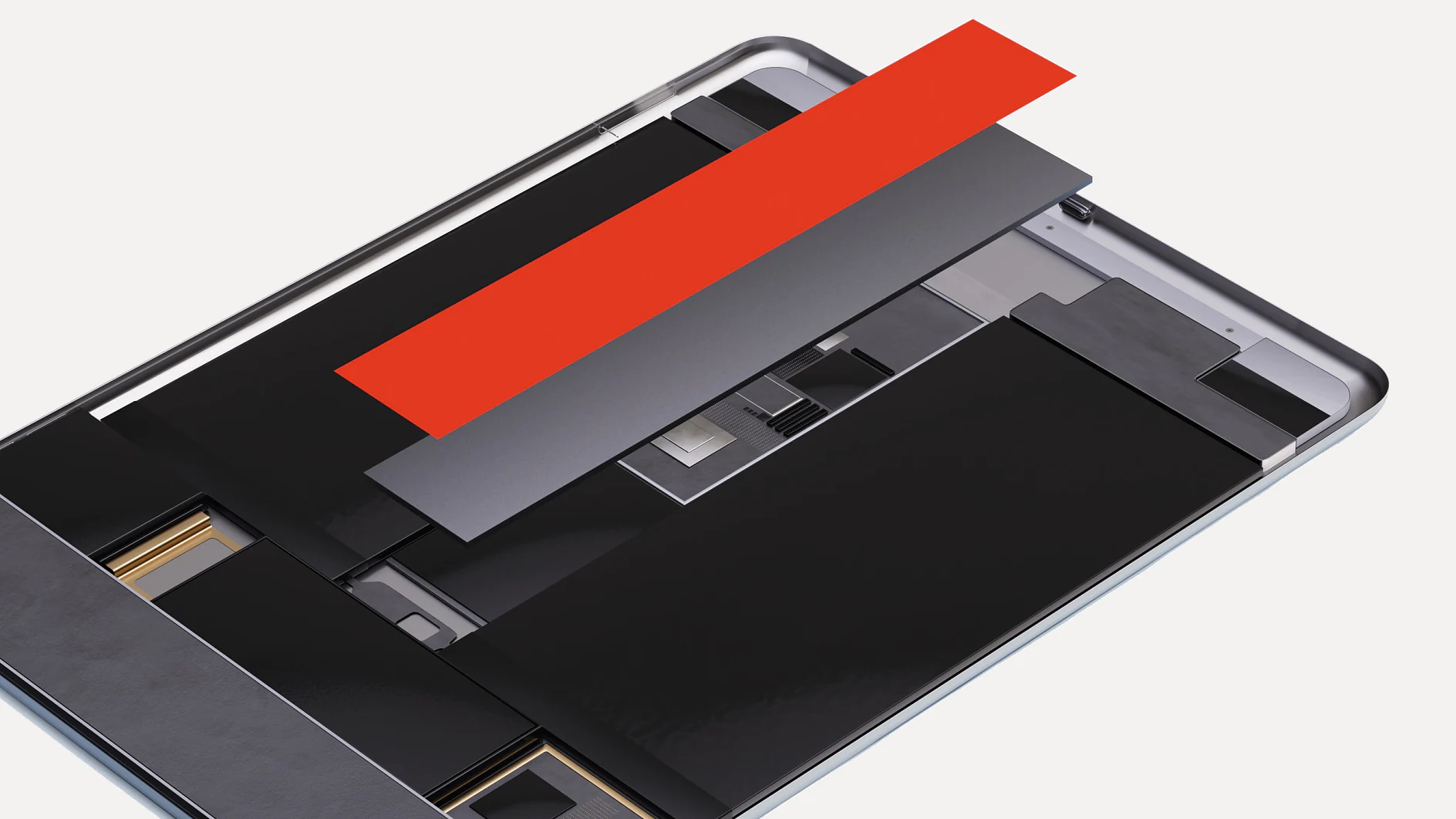

Electrically conductive tapes for industry
Best for: Electrically conductive tapes are designed for industrial applications that require reliable conductivity combined with secure adhesion. They support conduction, grounding, and shielding functions in automotive manufacturing, electronics assembly, and other environments where electrical performance is essential.
Why they perform
- High levels of electrical conductivity
- Strong adhesion in demanding conditions
- Resistant to heat and humidity
- Available with XY or XYZ conductivity options
- Foam-backed options provide shock absorption
- Copper backings enhance EMI shielding effectiveness
Typical applications
- Electrical signal transfer between components
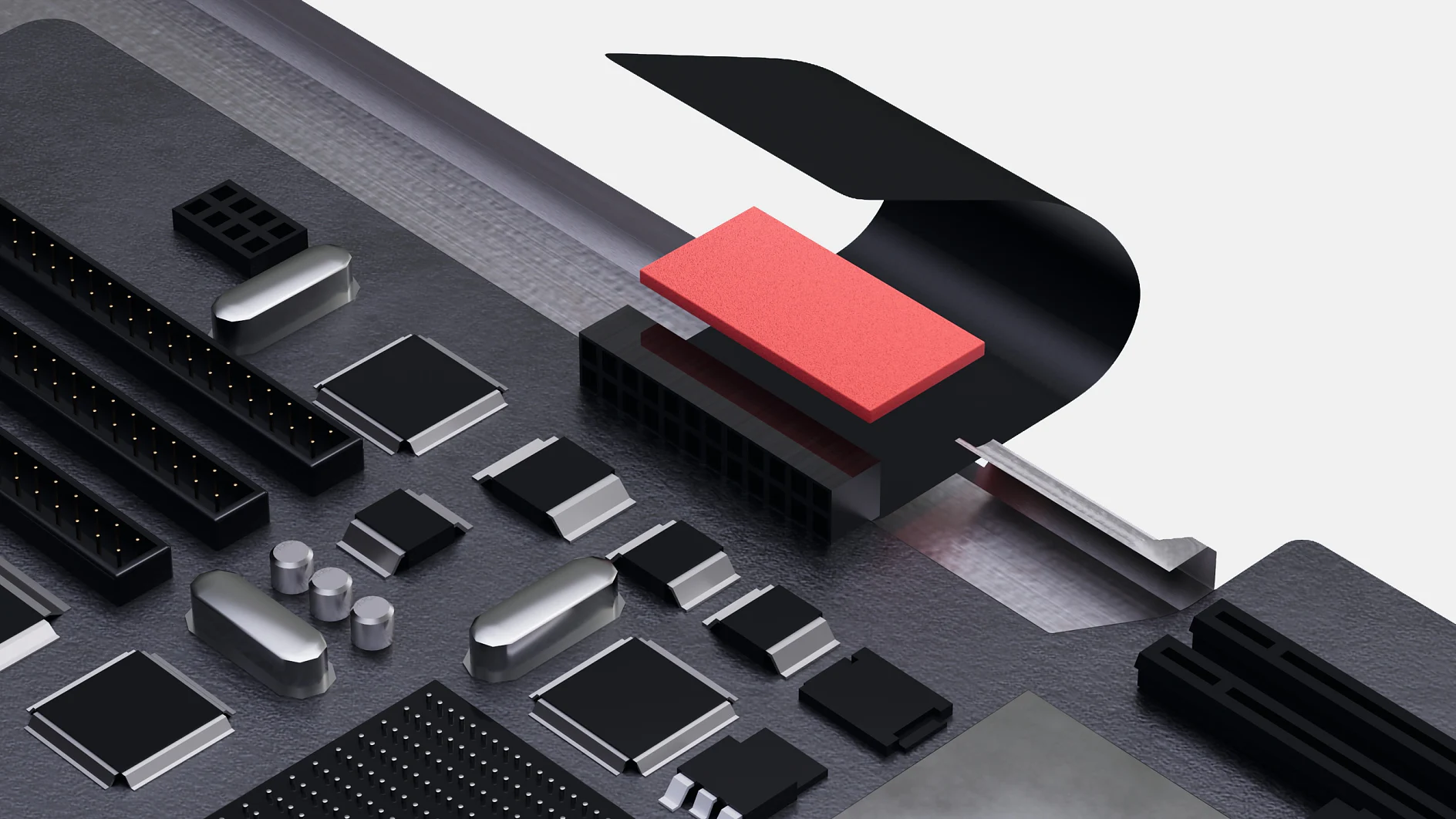
- Component and FPC grounding
- EMI shielding and gap filling
- Prevention of electronic static discharge (ESD)
- MLB grounding and shielding
Performance takeaway: Conductive tapes combine electrical performance and durable adhesion to support reliable grounding, shielding, and conductivity across industrial applications.
Conductive tapes for industrial applications
At tesa, our conductive tape solutions offer you the highest quality, electrical conductivity and performance for your applications. Find an overview of our conductive double-sided, single-sided and foam tape solutions below:

Find the right adhesive for your application

Conductive tapes FAQs
What are conductive tapes used for?
Conductive tapes are used in electronic applications that require both reliable bonding and electrical conductivity. They are commonly applied for EMI shielding, grounding, electrostatic discharge (ESD) protection, and creating electrical interconnections within electronic devices.
How does an electrically conductive adhesive improve electronic assemblies?
An electrically conductive adhesive enables electrical current to pass through the adhesive layer while securely bonding components. This allows manufacturers to combine mechanical attachment and electrical conductivity in a single solution, helping simplify electronic assembly processes.
Can conductive tape be used for EMI shielding and grounding?
Yes. Conductive tape is designed for applications such as EMI shielding and grounding, helping protect electronic devices from electromagnetic interference while maintaining reliable electrical conductivity.
What should you consider when selecting conductive tapes?
When choosing conductive tapes, consider your application's electrical conductivity requirements, substrate compatibility, bonding performance, and whether the tape will be used for grounding, EMI shielding, or electrical interconnection. Selecting the right tape helps ensure reliable performance in electronic assemblies.
Why are conductive tapes important in electronics manufacturing?
Conductive tapes provide both adhesion and electrical conductivity, making them suitable for modern electronics manufacturing. They support applications that require electrical connections, EMI shielding, and ESD protection while enabling efficient and reliable assembly.