
01Sealing
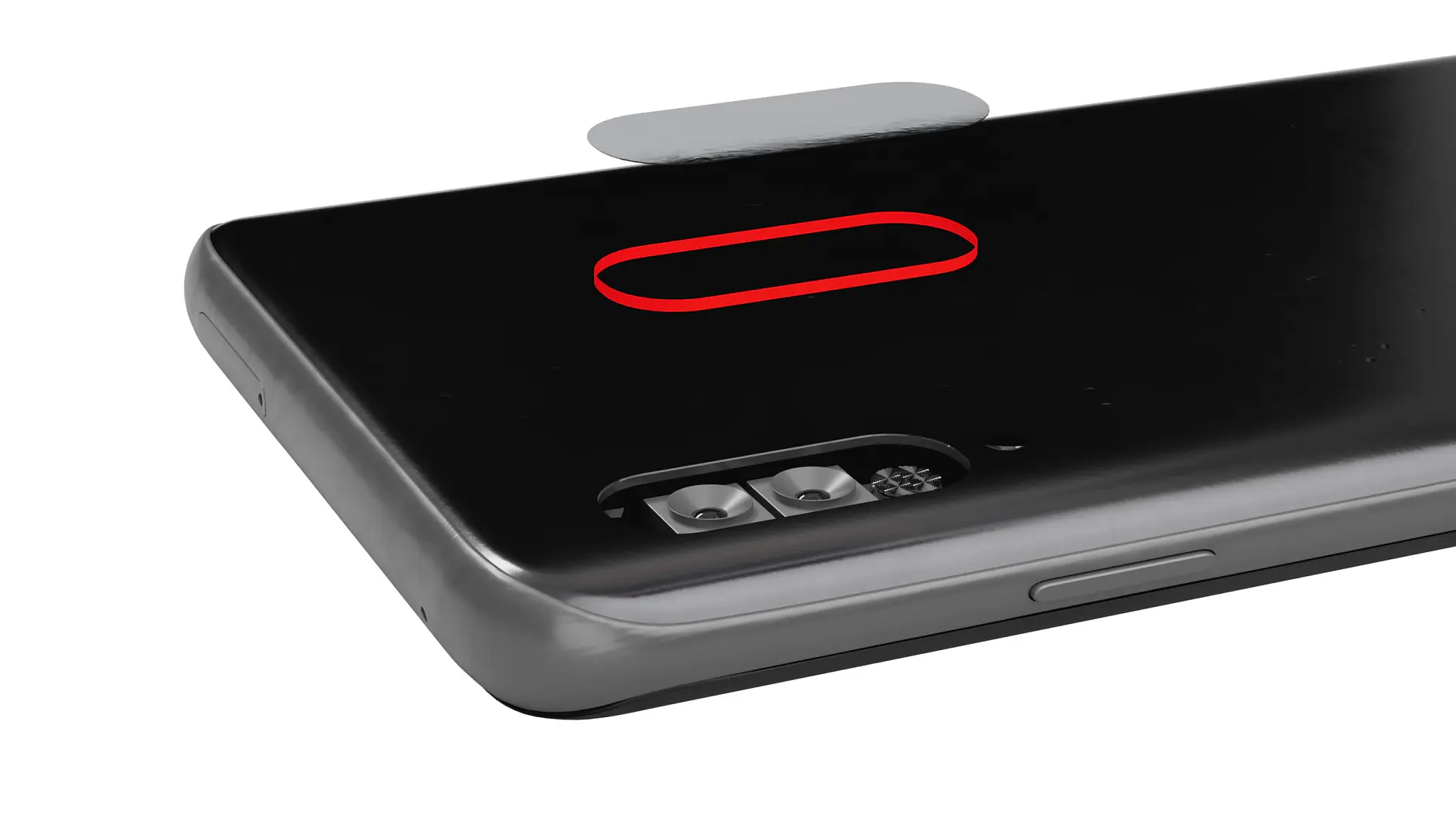
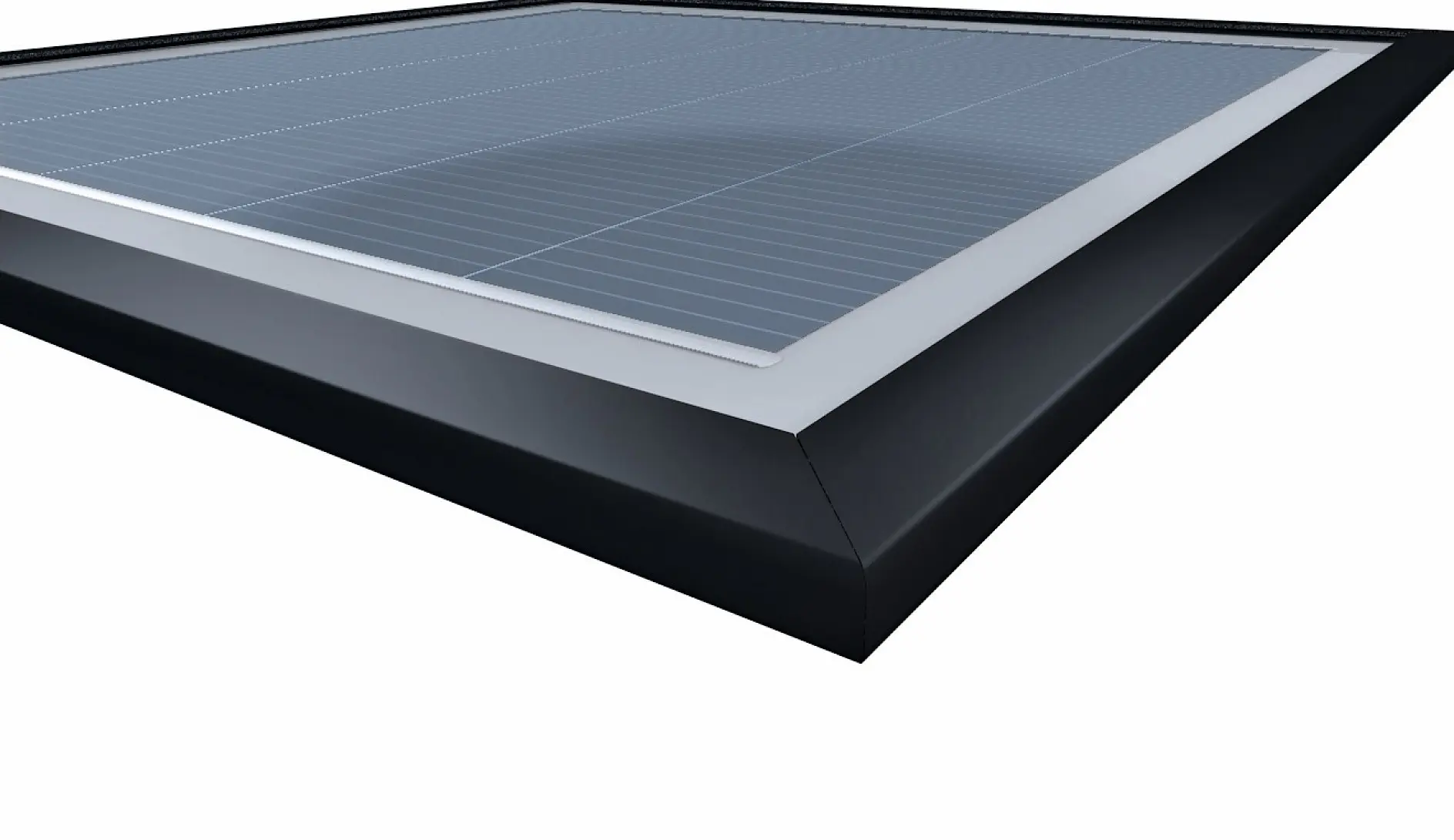
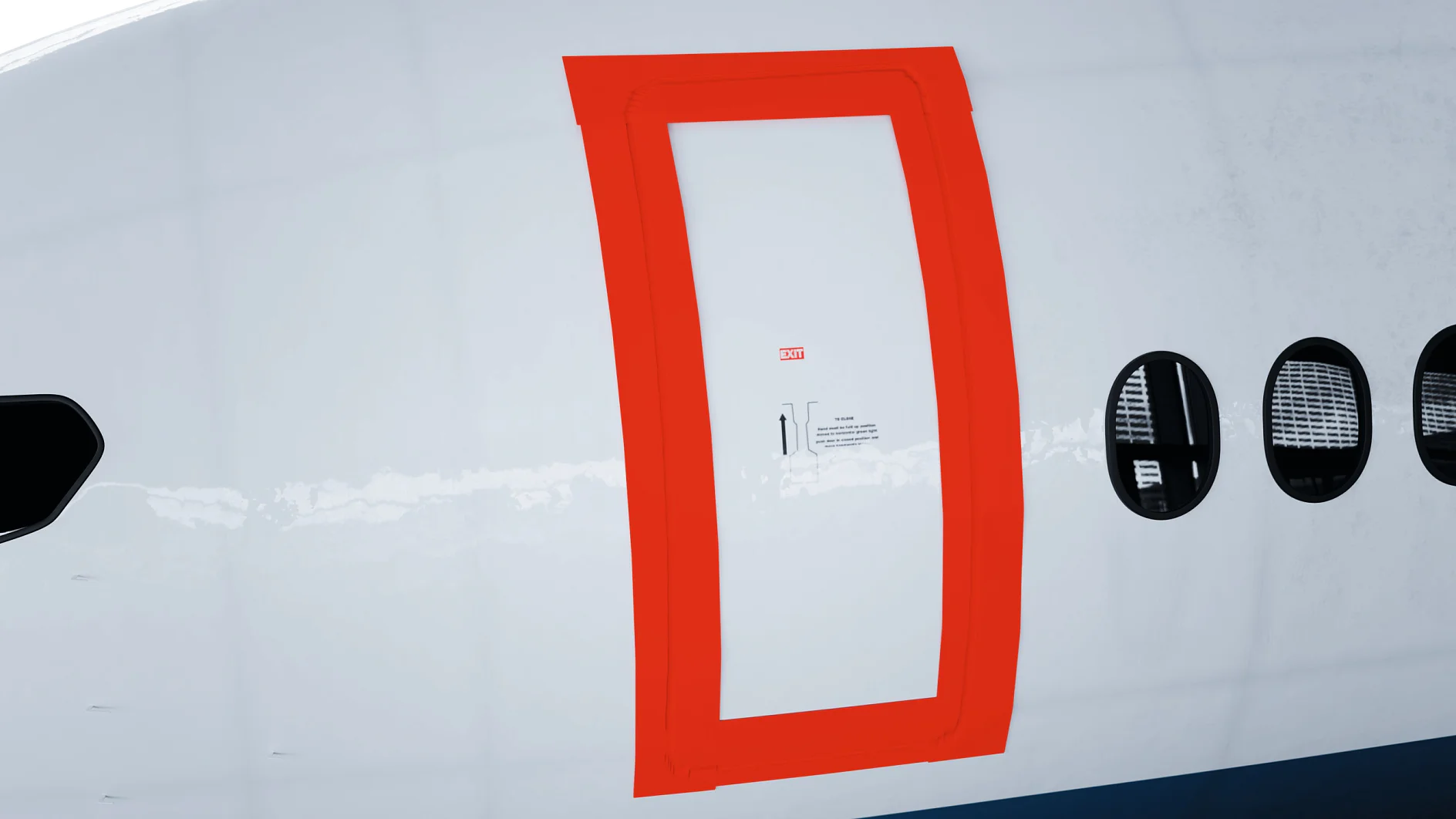
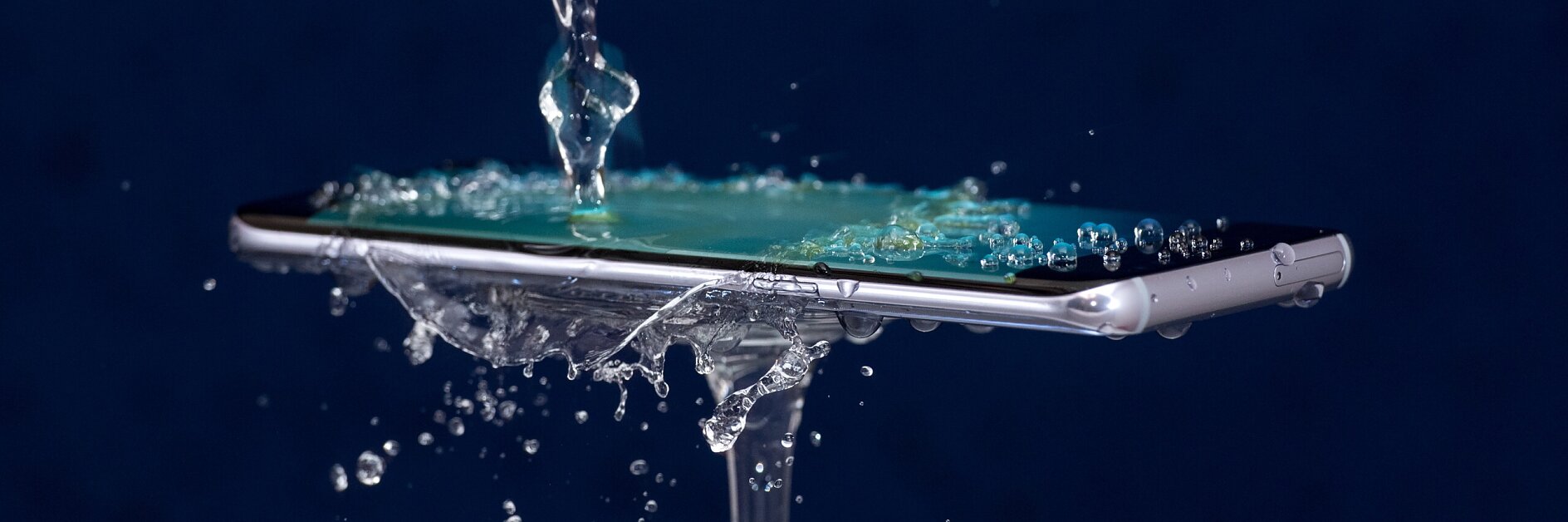
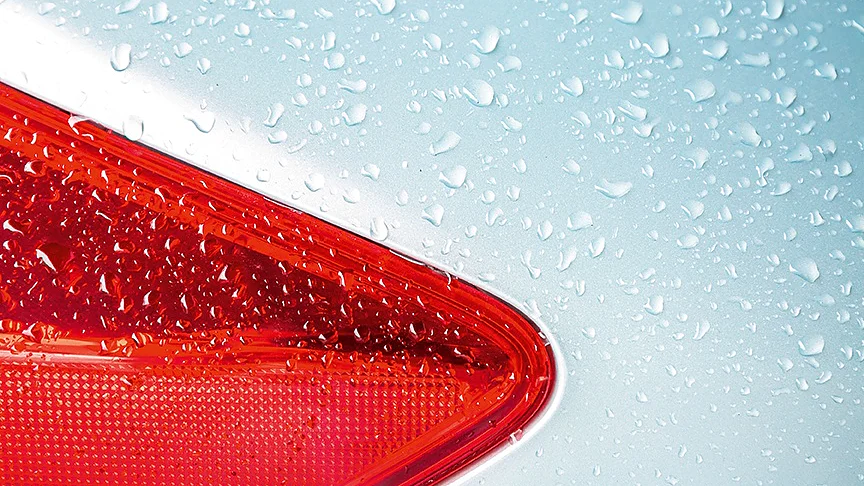
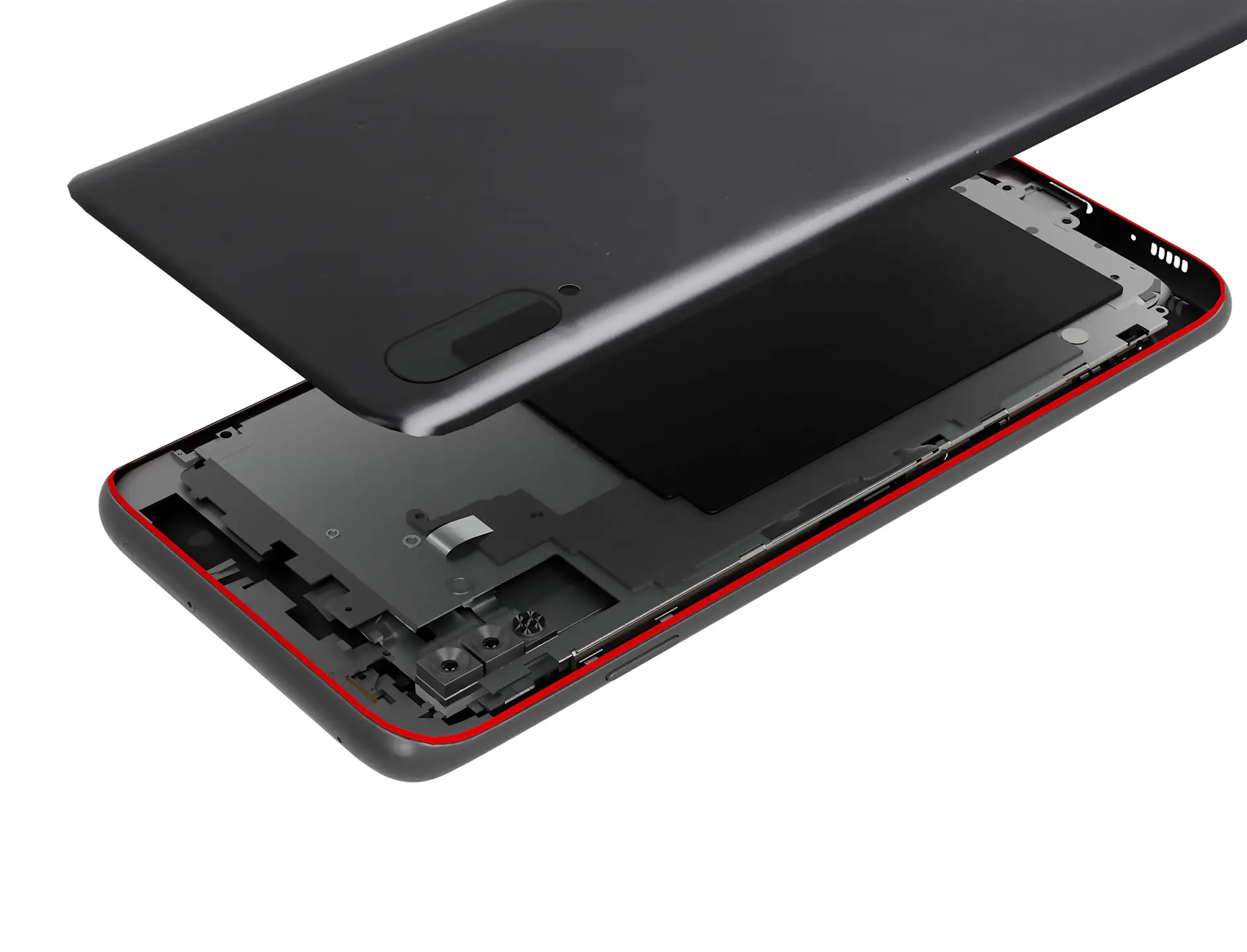
Waterproof tapes are widely used for sealing, creating airtight and watertight barriers that protect sensitive areas in applications such as:
- Lens and camera modules
- Display and back cover interfaces
- Speaker and microphone openings
- Housing gaps and mechanical joints
- Buttons, connectors, and peripheral cutouts
- Battery edges and interfaces in mobile, automotive, and industrial systems
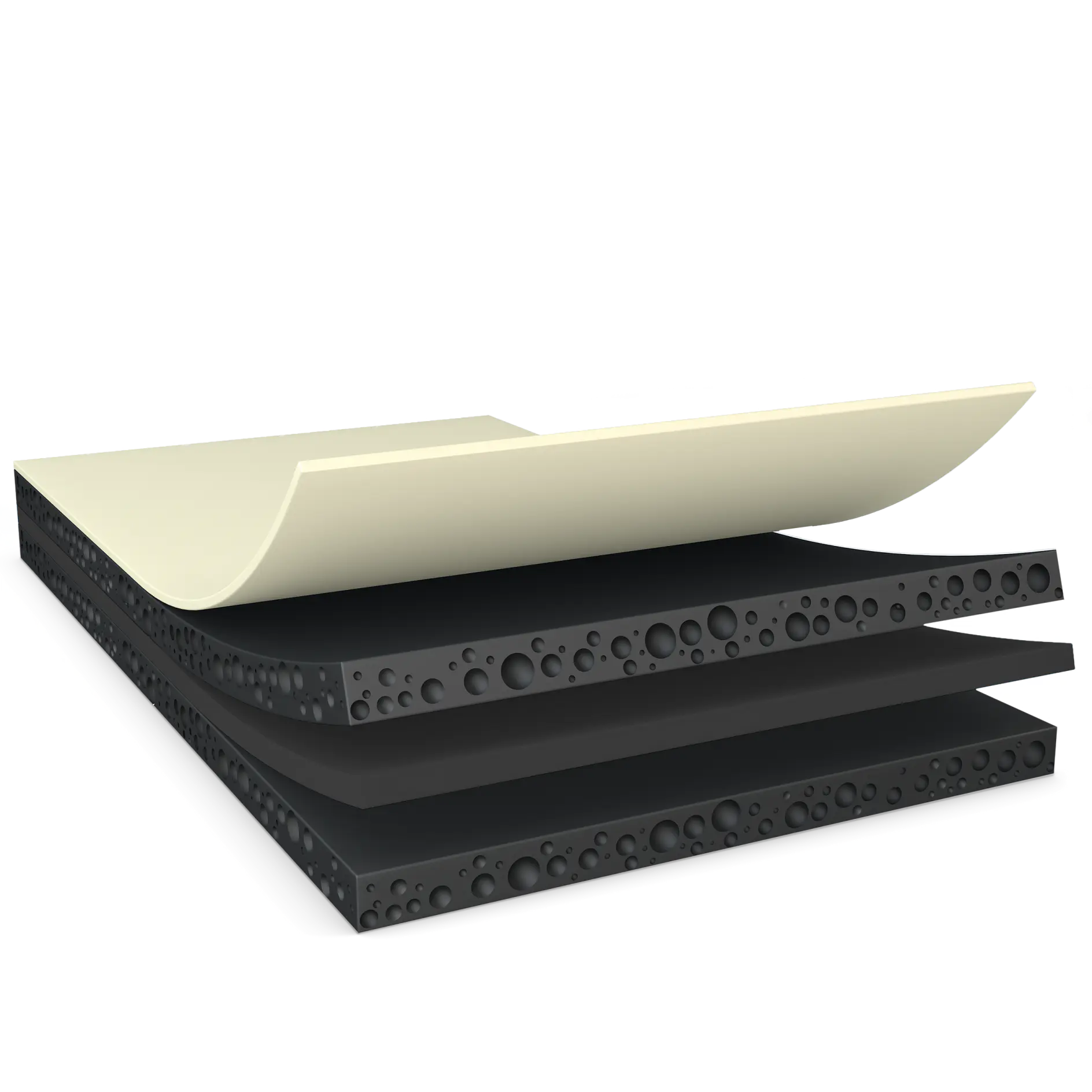
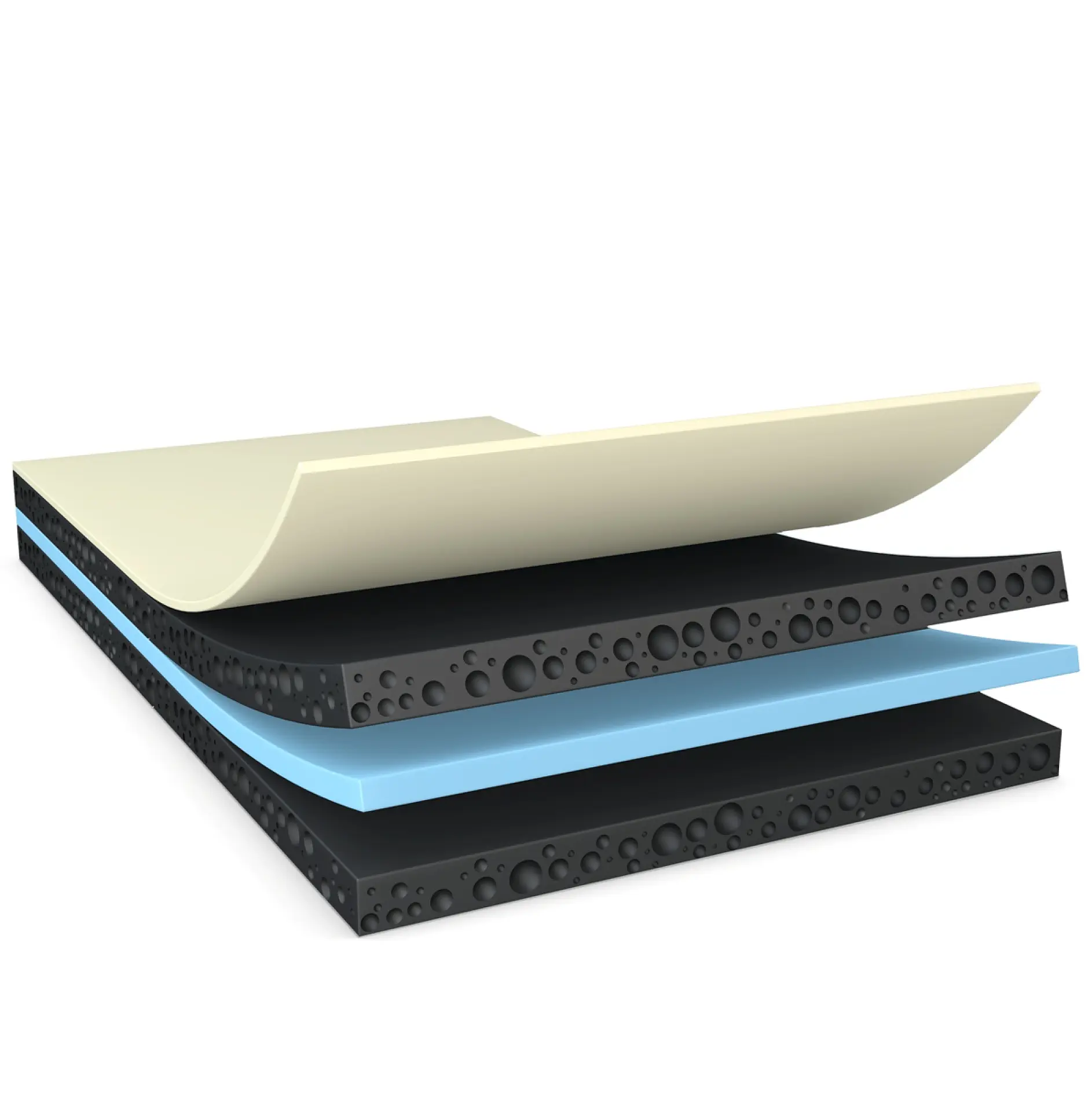
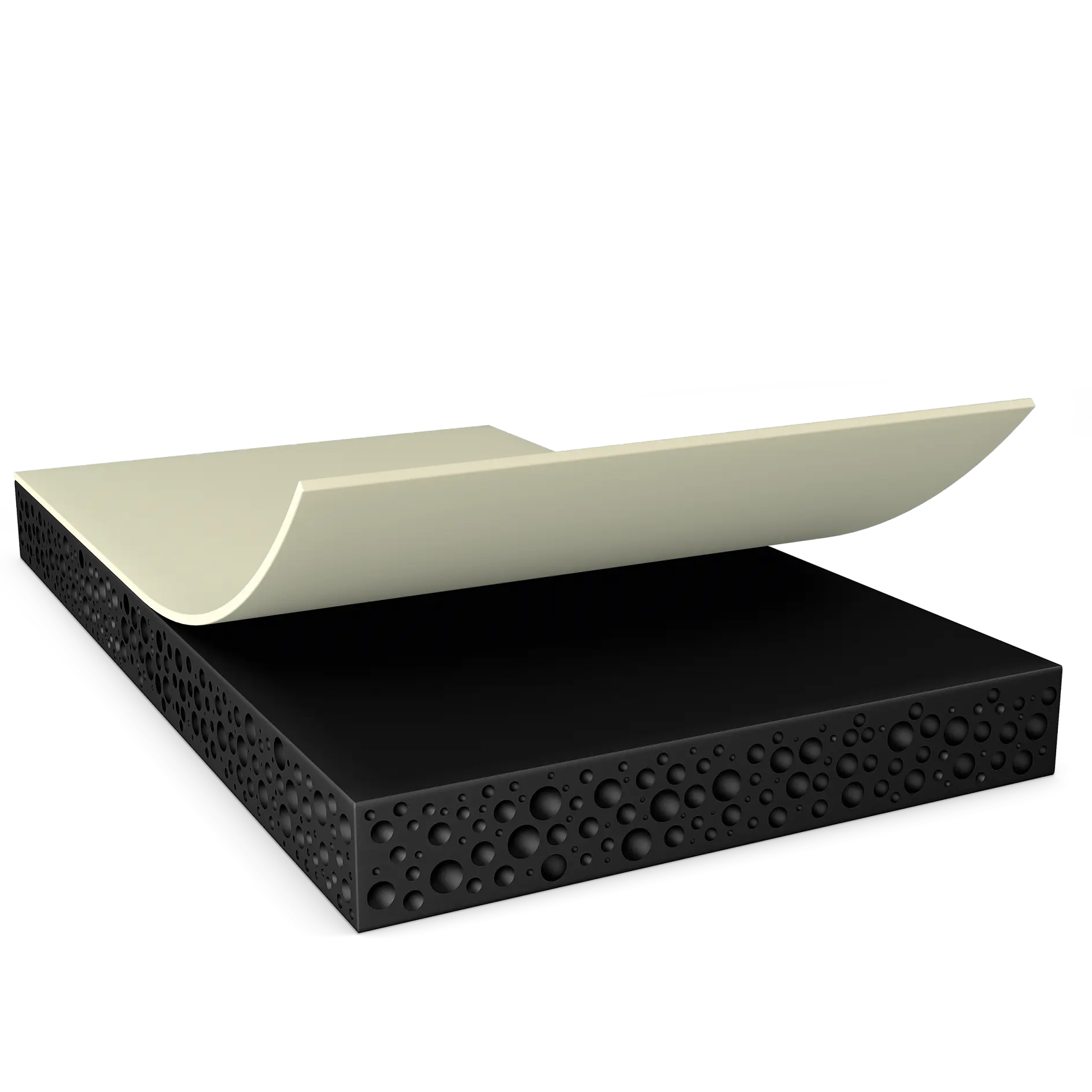
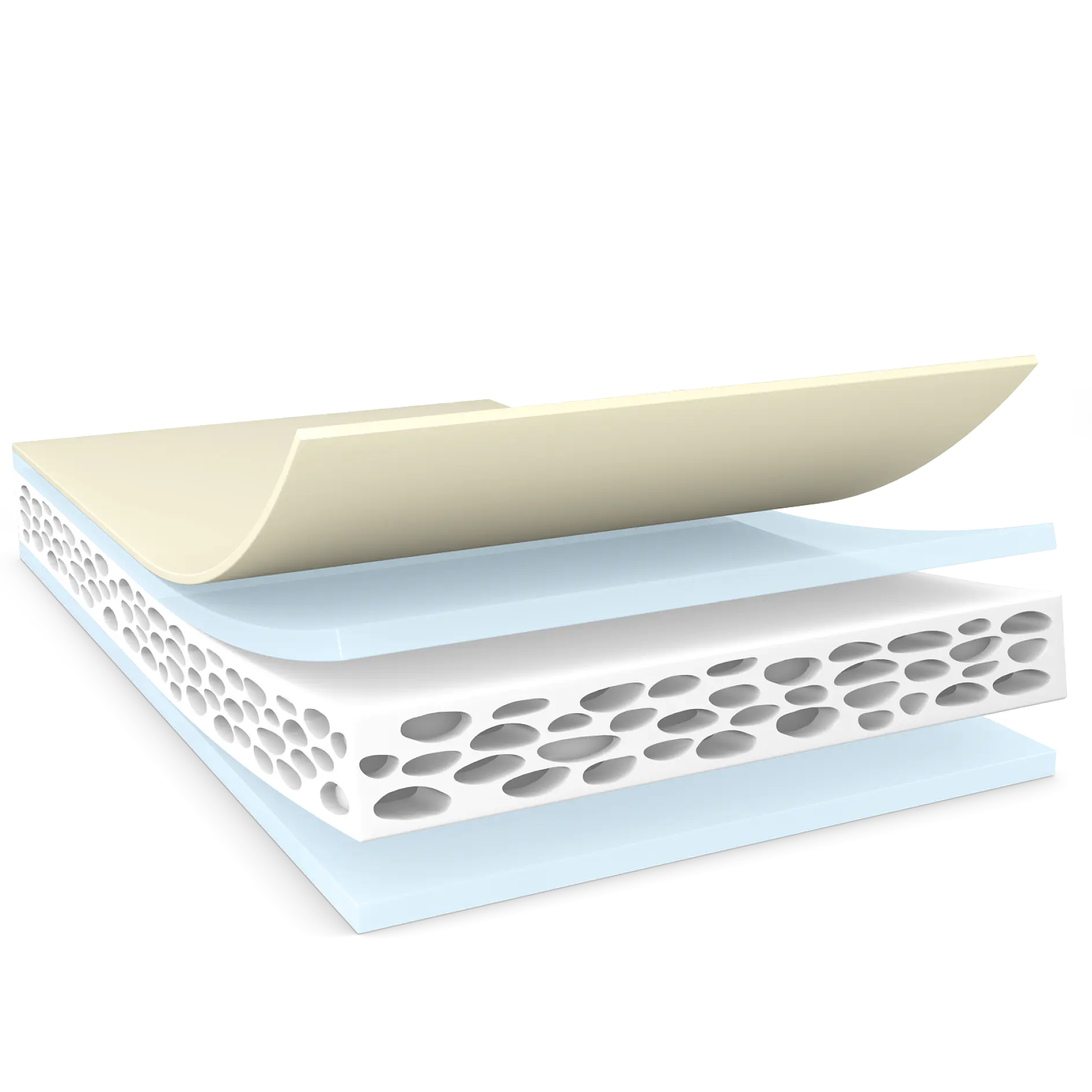
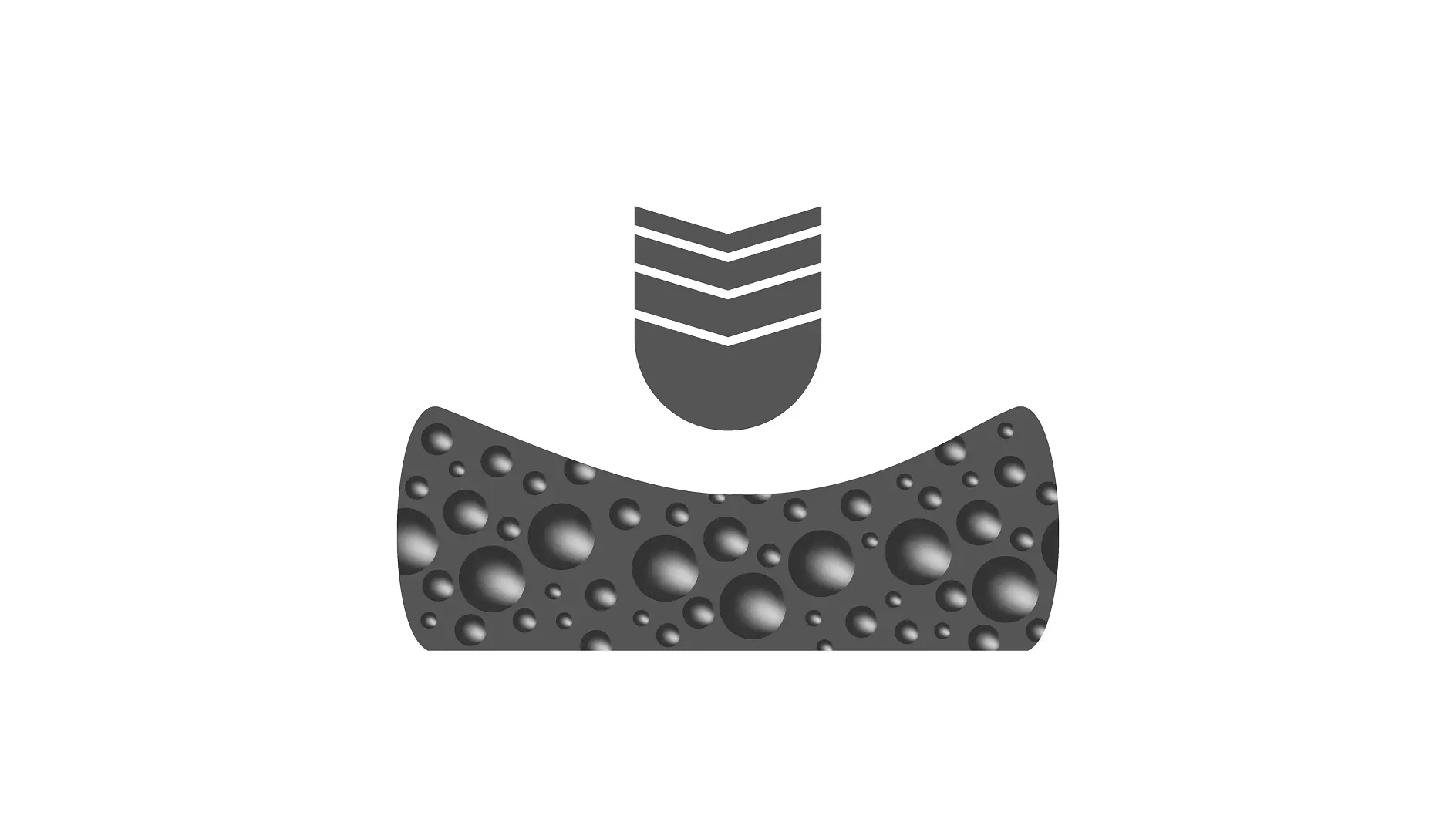
The tesa® 626XX series offers high bonding strength, conformable foam for shock resistance, and reliable protection against humidity and dust, making it ideal for electronics sealing, including component and display mounting. For higher-density or uneven surfaces, tesa® 64701 provides a flexible, waterproof barrier with UV stability and strong resistance to water penetration.
These tapes ensure durable protection under humidity, sweat, cleaning agents, and full submersion (IPX8), while also supporting shock absorption and stable positioning in battery applications.