An expert’s view on the hidden causes of press downtime

Markets

A short guide to the most common print inefficiencies

Flexo_Plate-mounting_Softprint_mounted plate_14748-CROP

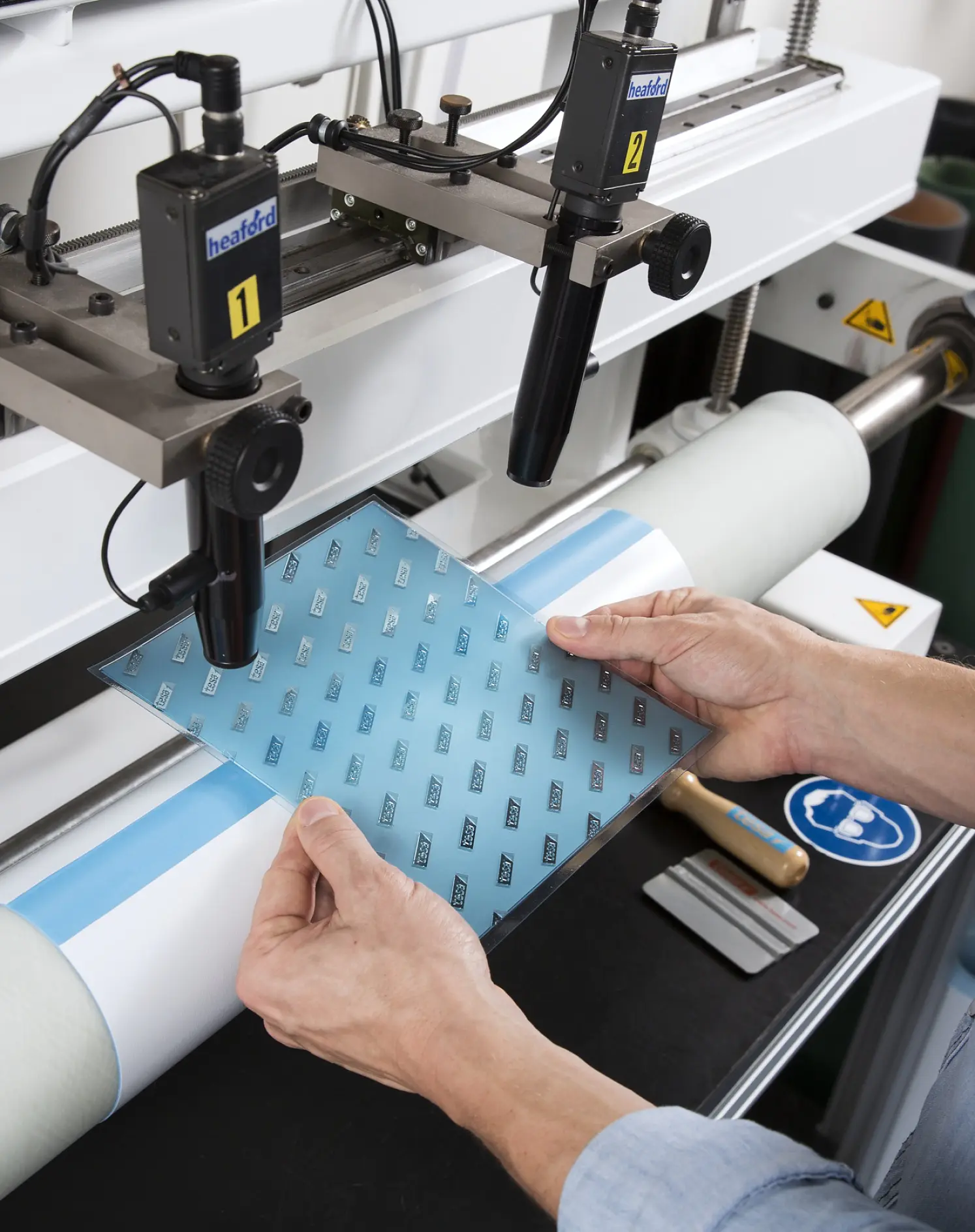
01Plate edge lift

Edge lifting is a familiar experience for many flexographic printers. Mounting errors, insufficient adhesive strength, high speed print runs, poor plate storage or older, deformed plates can all lead to production delays and downtime. 

“Customers want to avoid plate edge lifting as much as possible, and the benchmark is always no edge lifting at all.” 

Franziska Kirpal – Sales Manager Printing & Packaging Solutions DACH
flexo-printing-plate-mounting-softprint-bobst-2023-04-ap-crop

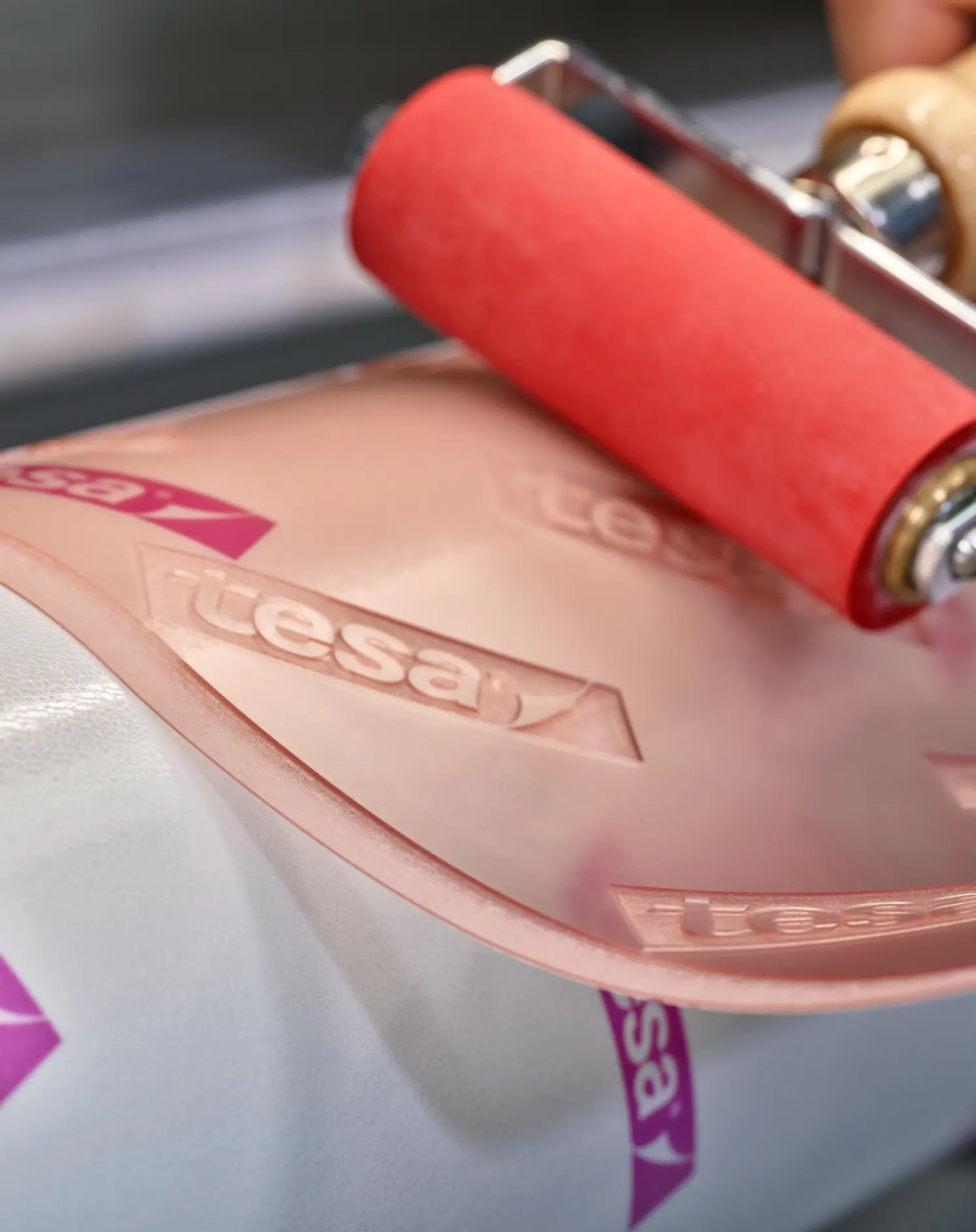
02Plate mounting errors

Incorrect plate mounting can be the cause of many print production issues and problems. Applying insufficient pressure to the plates, or failing to apply equal pressure across the whole width of the sleeve can lead to edge lifting and air bubbles. A build-up of contaminants on the rear of the plate can also impair plate adhesion.

"Plate lift happens quite often, I must say. And there are many ways to solve this, from reviewing SOPs, to using different products or tools.” 

Jürgen Dostal – Regional Key Account Manager

Flexo_Plate-mounting_Softprint_plate demounting_14762-crop

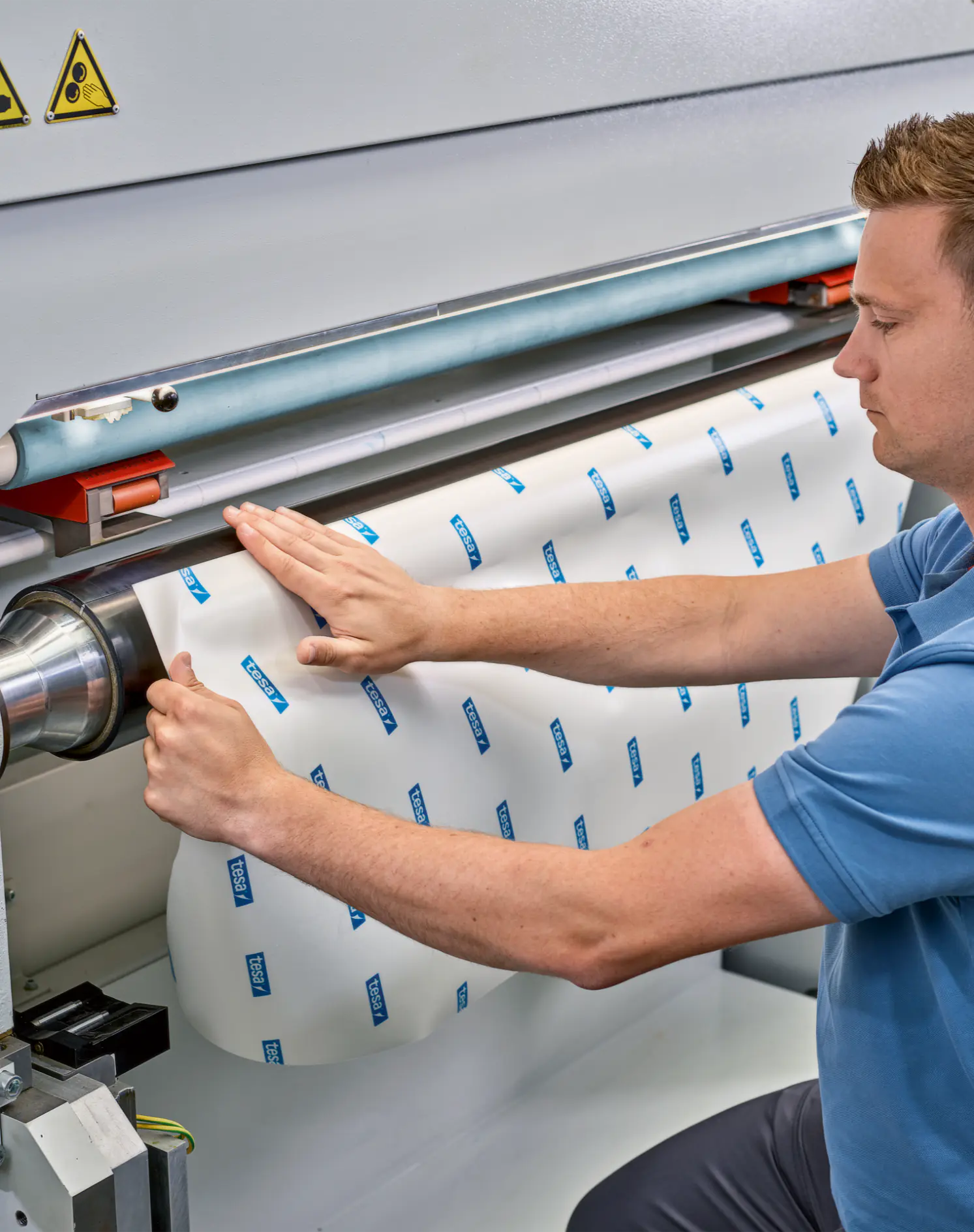
03Hard plate demounting

Using the wrong plate mounting tape can result in the adhesion between the tape and the sleeve being too high. This can make it difficult to remove the plate mounting tape and even cause damage – leading to slower changeovers, production disruption, and higher costs from plate waste.

“Sometimes, you can have a hard time demounting a plate due to a chemical reaction between a contaminated plate and the adhesive. So, it’s vital to find the right combination for your application.” 

Jürgen Dostal – Regional Key Account Manager

FP&P_Flexographic-Printing_Plate-Mounting-087-crop

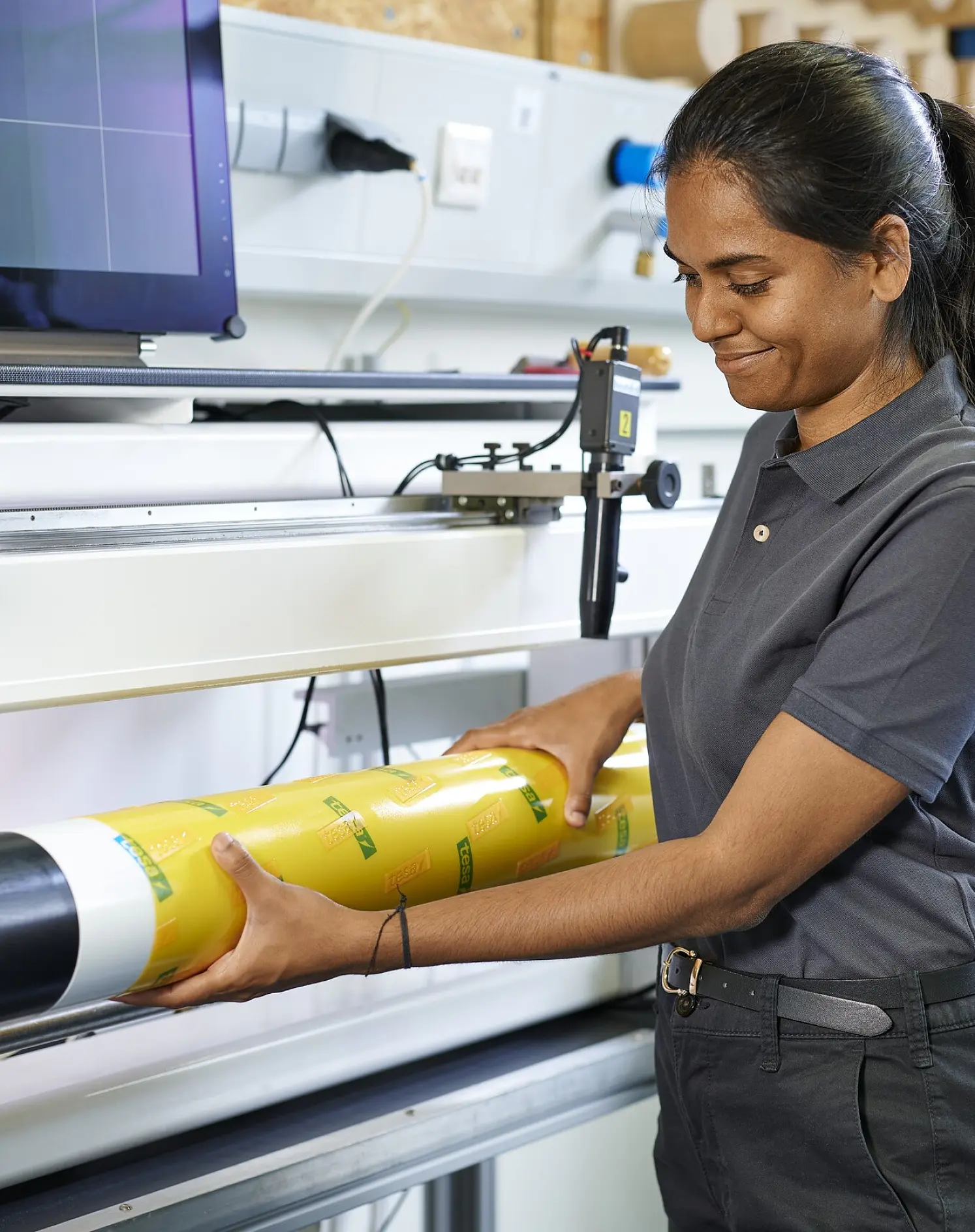
04Tape thickness

With the introduction of Fixed Color Palettes (FCP) and Extended Color Gamut (ECG) printing in machines, there’s a greater need for accurate plate alignment and press consistency. Using the incorrect tape for your process, or tapes that vary in thickness can lead to misregisters and poor print quality. 

“The more accurate and consistent the tape thickness is, the higher the print quality, the more secure the whole machine runs and the better the whole job runs.” 

Franziska Kirpal – Sales Manager Printing & Packaging Solutions DACH
flexo-printing-plate-mounting-softprint-bobst-2023-03-ap-crop

05Process execution

Standardization is key to your pressroom productivity. However, differences in how operators and shifts work, product, and machine variations, and operating temperatures or conditions can all affect your efficiency.

“In my experience, process change is far more challenging than product change. Declaring a product ineffective is easy, but the real performance lever often sits in the SOPs. Our strength lies in enabling customers – through operator training and clear guidance on best-practice execution.” 

Carsten Bastian – Global Key Account Manager 

An expert guide to improving your productivity

"Lower-quality tape may not always stop the press entirely, but it leads to more frequent changeovers and reduced running speeds – both of which impact overall efficiency."
Carsten Bastian, Global Key Account Manager

Choosing a fit-for-purpose plate mounting tape with the correct level of adhesion and foam hardness can bring a host of production benefits – from minimizing plate edge lift and simplifying mounting, to accelerating changeovers, reducing cleaning, and eliminating plate damage during demounting.

"You can prevent a lot of errors by following an SOP. I mean simply by cleaning the backside of the plate, using the right solvent mix with a clean and lint free cloth."
Jürgen Dostal, Regional Key Account Manager

An effective Standard Operating Procedure (SOP) can help to improve repeatability, create consistency, and ingrain best practice in every shift. Providing a clear guide to critical processes, like tape mounting and plate cleaning also helps to eliminate operator variability and production errors. 

"The real losses often come from small, hidden inefficiencies: extra time spent on changeovers, longer setups, or reduced running speeds. This idle time is widely underestimated. The press may appear to be running, but not at ideal conditions – and the cumulative impact is far greater than isolated issues like web breaks or tape lift-off."
Carsten Bastian, Global Key Account Manager

The key to greater efficiency often lies in a range of different variables, from the products and techniques you use, to the press, print speed, temperature, and humidity within the pressroom. So, it’s important to take a holistic view of your processes and procedures, even when your press is seemingly running smoothly – as small inefficiencies can quickly add up.

"We start by fully understanding the application, then challenge the actual requirements – whether it’s elongation, temperature stability, or humidity resistance. By identifying the true performance driver, we can determine the optimal solution, either from our existing portfolio of 7,000 products or, if needed, by developing a new one tailored to the customer."
Carsten Bastian, Global Key Account Manager

New technology and techniques mean flexo is constantly changing and evolving. So, it’s a good idea to talk to a technical expert who continually innovates, understands the challenges you face, and has the expertise to develop tailored solutions that mirror your machines, processes, and workload. 

"Onsite observation means our experts have a chance to look over the operator’s shoulder, see what they're doing, and then give them hints and tips on how to improve things."
Jürgen Dostal

Regional Key Account Manager