Energiesparen

Tips from the expert

Just in time to lower energy costs for the winter

The trend that "everything is getting more expensive" is most noticeable in the increasing energy costs for heating and hot water.

In the past year, expenses for electricity, gas, heating oil and other fuels rose by almost ten percent. Physicist Joachim Zeller from the engineering firm Ebök in Tübingen has been working on energy saving strategies, especially for private households, for over 20 years. The energy expert reveals where the worst energy wasters are hiding and what measures consumers can take to lower their energy costs, even smaller measures.

Physicist Joachim Zeller from the engineering firm Ebök in Tübingen

Physicist Joachim Zeller from the engineering firm Ebök in Tübingen

Almost half the energy costs in private households is spent on heating. Where are the energy wasters lurking?

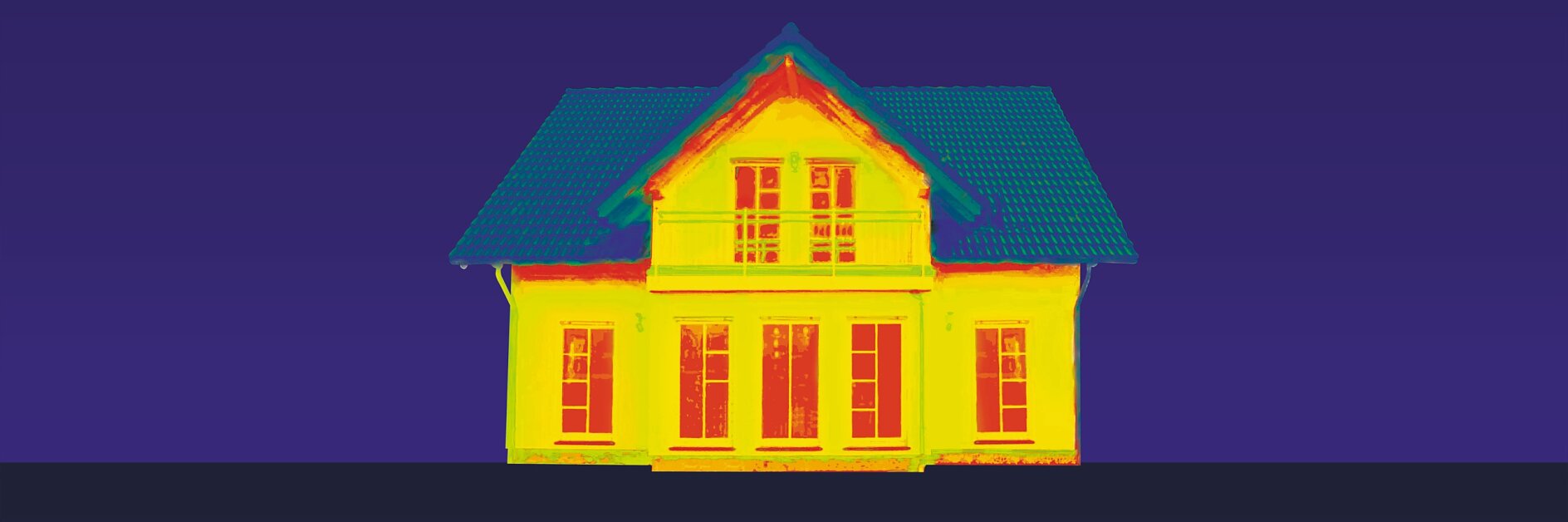
Joachim Zeller: there is not just one energy waster which can be eliminated, resulting in an optimum energy efficiency. For older, non-restored buildings, there are weak points almost everywhere in the house. High heat losses occur at exterior parts of the building, in particular, the exterior walls, roof, basement ceiling and windows.

The windows can account for as much as one quarter of the total energy consumption. Why is that?

Joachim Zeller: Older windows have a very poor heat insulation effect. Gaps around the windows which are not airtight are further weak points that lead to draught-induced heat loss and thus to increased energy costs.

What can you do to avoid literally throwing money out the window for heating costs?

Joachim Zeller: In principle, it makes sense to revamp your house energy-wise. A planned make-over for your house should be preceded by an analysis of your house's energy consumption / loss by a qualified energy consultant. This is the only reliable basis for a sound energy-saving plan which will have significiant long-term savings.

Not everyone can implement a major energy-saving plan right away. How effective are interim solutions such as sealing windows with draught excluders?

Joachim Zeller: A study regarding air permeability of tesamoll® draught excluders certifies that the assortment has a very good performance in sealing. Based on this, we calculated the energy-saving effects which can be achieved by weather-proofing window gaps of various widths. Our study focused on single and multi-household dwellings built in the sixties and seventies.

What results did you get?

Joachim Zeller: In all study models from 2 mm gap width on, the use of tesamoll® tapes shows a positive saving effect as early as after one year. The cost savings for heating are then already more than the purchase price for the tapes. For a house with many non-sealed windows including larger gap widths, up to 35 percent of the heating costs can be saved using the draught excluders. A case in point: for 3-mm-wide gaps, you save around EUR 150 in heating costs in four years per roll. For wider gaps, you can save even more money.

Is this a solution only for tenants, or also for house and apartment owners?

Joachim Zeller: In the long term, owners are betting on revamping their buildings, also in view of the upcoming energy pass, as of mid 2008. It is recommended that condominium owners who cannot decide by themselves whether to replace windows, as well as house owners who cannot or do not yet want to revamp, already install draught excluders for their windows before the onset of winter to minimize heat loss.

Can you also make mistakes when airing rooms, not just with involuntary drafts through gaps?

Joachim Zeller: For health and energy reasons, appropriate airing through windows is desirable. That means that the frequency and length of the airing is related primarily to the outside temperature and the humidity in the room. The rule of thumb for the months November to March is short, intense airing for 4 to 6 minutes every 2 hours, if possible. During the summer months, the length of airing should be significantly higher, i.e. half an hour per airing.

It is possible to not only air too much through windows, but also too little. What happens then?

Joachim Zeller: By airing too little, the risk is not only having stuffy air, but also higher humidity, which can lead to the formation of mold. When draft excluders are installed, one should also air more. Yet moderate airing is not an energy waster, in contrast to non-sealed window gaps.

Why is that?

Joachim Zeller: Air inflow through window gaps is driven by the weather. The colder and windier it is outside, the more air is forced through the gaps. The required dehumidification occurs very quickly, however the airflow through the gaps continues. For energy reasons, this should be just the other way around: the warmer the outside temperature, the more intensely should be aired through the windows. The frequency and intensity of the airing is best taken into your own hands.

PLEASE RATE THIS ARTICLE

not very informative-3-2-10+1+2+3very informative